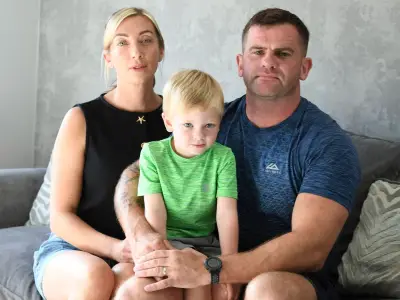
Coroner: Night Nanny Gave Antihistamine to Sedate Newborn Who Died
Night Nanny Gave Antihistamine to Sedate Newborn, Coroner Rules

Coroner Rules Night Nanny Likely Gave Antihistamine to Sedate Newborn Who Died

A coroner has determined that a night nanny probably administered an antihistamine to sedate an eight-week-old baby boy who tragically died, with the investigation uncovering significant failures by the Metropolitan Police and raising urgent concerns about the lack of national regulation for nannies. Professor Fiona Wilcox, coroner for Inner West London, delivered her findings after an inquest into the infant's death on January 15, 2024, at the family's home.

Details of the Tragic Incident

The baby was found unresponsive in his bassinet at approximately 6:15 am by the night nanny, who was responsible for his care from 9 pm to 7 am. Despite resuscitation attempts and an ambulance call, the infant was pronounced dead at 7 am. Toxicology reports revealed the presence of chlorpheniramine, commonly known by the trade name Piriton, in the baby's blood at the time of death.

Professor Wilcox stated in her prevention of future deaths report that the court was satisfied the night nanny had administered the antihistamine to the baby, who had been described as unsettled and fussy, frequently waking during the night. She noted, "The chlorpheniramine was probably administered to sedate the baby to sleep. Expert opinion accepted by the court was that this drug could possibly have caused or contributed to the baby's death, but it could not be found that it probably did."

Wide Pickt banner — collaborative shopping lists app for Telegram, phone mockup with grocery list

Police Investigation Failures Highlighted

The coroner's report criticised the Metropolitan Police for multiple oversights during their initial investigation. Police attended the scene and made an assessment but failed to consider the possibility of drug administration. Critical forensic opportunities were missed, including:

  • Not examining bathroom cabinets for medication.
  • Failing to seize feeding bottles for analysis.
  • Not searching the night nanny's property or examining cupboards and drawers in the relevant rooms.

As a result, the night nanny was not arrested and interviewed until October 2024, by which time all forensic evidence had been lost. Professor Wilcox emphasised that police were too easily reassured by the well-presented home environment and did not adequately investigate potential third-party interventions like inappropriate drug administration.

Lack of Regulation for Nannies

A major concern raised in the report is the absence of a national regulation system for nannies in the UK. The coroner expressed alarm that the individual found to have administered chlorpheniramine illicitly to a child, with it possibly contributing to the death, is still working as a nanny. She suggested that nannies require specific training to avoid administering such substances without medical advice and parental consent.

The National Nanny Association responded, stating, "This latest coroner's report further highlights a serious gap in the regulation of in-home childcare roles in the UK. Parents are placing trust in individuals using professional titles, often assuming a level of training and oversight that simply isn't required. That has to change."

Recommendations for Future Prevention

Professor Wilcox made several recommendations to prevent similar tragedies, including:

  1. Updating police training and guidelines to better consider poisoning in child death investigations.
  2. Routinely seizing feeding bottles and equipment pending toxicology results.
  3. Enhancing warning information on products containing chlorpheniramine.
  4. Implementing mandatory registration and safeguarding checks for nannies.

The medical cause of death was listed as sudden unexpected death in infancy – unexplained. The coroner has sent her findings to Metropolitan Police Commissioner Sir Mark Rowley, nanny organisations, the National Crime Agency, and the College of Policing to prompt action. This case follows recent criticism from another coroner regarding the misleading use of titles like "maternity nurse," underscoring systemic issues in private childcare.

Pickt after-article banner — collaborative shopping lists app with family illustration