Moss Clump Evidence Convicts Illinois Grave Robbers in Cemetery Scandal
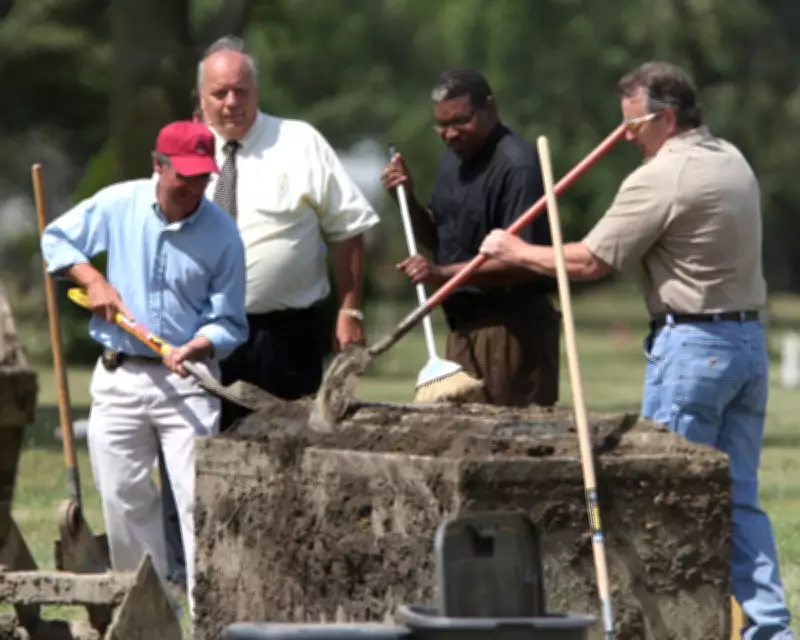
In a shocking case of grave robbery, four workers at a cemetery near Chicago were convicted after digging up and moving more than 100 bodies to resell burial plots for profit nearly two decades ago. The scandal, which broke at Burr Oak cemetery in Alsip, Illinois, has now been detailed by scientists who revealed how a minuscule clump of moss became crucial forensic evidence in securing the convictions.
Forensic Breakthrough with Botanical Evidence
Dr Matt von Konrat, head of botanical collections at the Field Museum in Chicago, was unexpectedly drawn into the investigation in 2009 when the FBI contacted him about the case. "They asked if I knew about moss and brought the evidence to the museum," he recounted. Local police had discovered human remains buried under inches of earth at the cemetery, a site of significant historical importance where several prominent African Americans, including Emmett Till and blues singer Dinah Washington, are interred.
Alongside the re-buried remains, forensic specialists identified various plant materials, including a piece of moss roughly the size of a fingertip. Hoping this botanical clue would crack the case, the FBI enlisted von Konrat to determine the moss's origin and how long it had been present at the scene.

Scientific Analysis and Key Findings
After meticulous examination under a microscope and comparison with dried specimens in the museum's collection, scientists identified the moss as common pocket moss, or Fissidens taxifolius. A survey at the cemetery revealed that this species did not grow where the corpses were found but was abundant in a lightly shaded area beneath trees, where police suspected the bodies had been exhumed. This indicated the moss had been inadvertently moved with the bodies during the crime.
To pinpoint the timing of the offense, researchers leveraged a unique aspect of moss biology. "This is the cool thing about moss," von Konrat explained. "Even when we might think they're dead, they can still have an active metabolism." By measuring the moss's metabolism through light absorption and re-emission tests on chlorophyll, scientists concluded the moss had been buried for less than 12 months. This finding was pivotal, as the defendants had argued the crime occurred years before their employment, attempting to shift blame.
Impact on the Trial and Broader Implications
Doug Seccombe, a former FBI agent involved in the case and co-author of the study published in Forensic Sciences Research, emphasized that the plant material was "key" to securing convictions during the trial. Von Konrat, a fan of forensic dramas like Silent Witness, expressed surprise at applying his botanical expertise to criminal investigations but now advocates for the importance of mosses in forensic science. "I had no idea we'd be using our science, our collections, in this manner," he said. "It underscores how vital natural history collections are. We never know how they might be applied in the future."
This case highlights the intersection of botany and forensic investigation, demonstrating how even the smallest natural elements can play a critical role in solving heinous crimes and delivering justice.