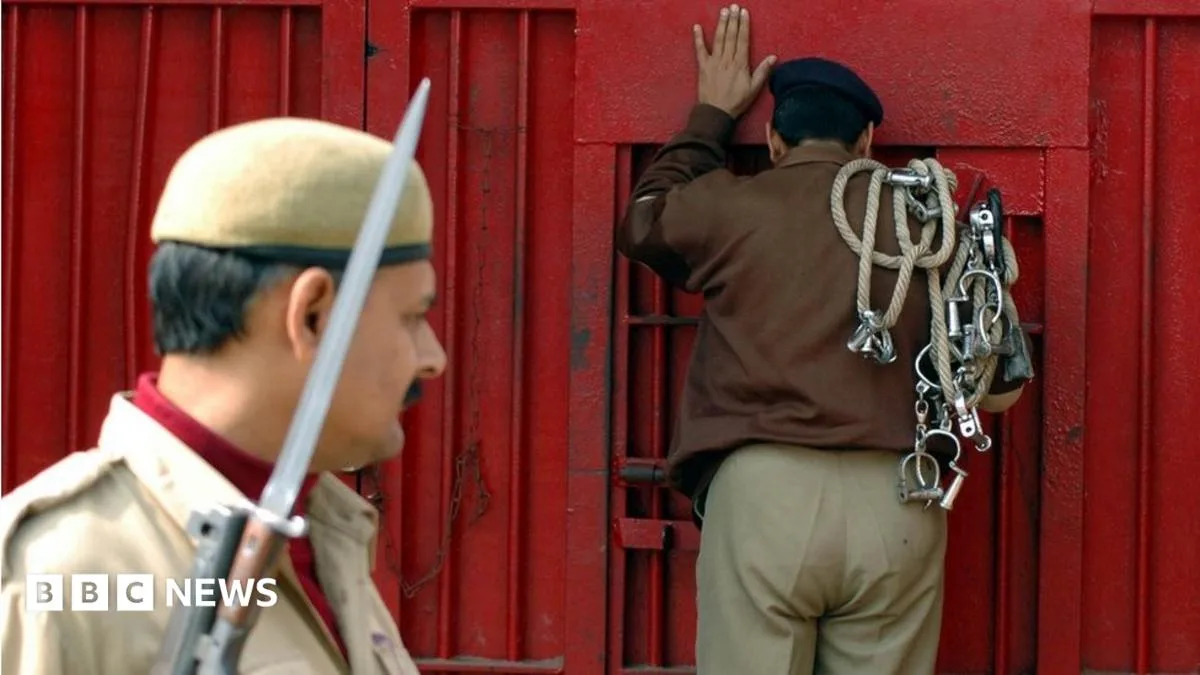
Nearly 600 people died in police custody in India between 2010 and 2015, according to a new report by Human Rights Watch (HRW). The US-based rights group said no policeman was convicted for a prisoner's death in custody during this period.
India's police routinely attribute deaths in custody to illness, attempted escape, suicide and accidents. However, rights groups say a large number of such deaths occur due to torture in custody – claims officials reject.
The report, released on Monday, examines 'police disregard for arrest regulations, custodial deaths from torture, and impunity for those responsible'. It draws on in-depth investigations into 17 deaths in custody that occurred between 2009 and 2015, including more than 70 interviews with victims' family members, witnesses, justice experts and police officials.

In each of the 17 cases, the report says, the police did not follow proper arrest procedures, making the suspect more vulnerable to abuse. 'Police in India will learn that beating suspects to confess is unacceptable only after officers are prosecuted for torture,' said Meenakshi Ganguly, South Asia director at HRW.
By law, every person taken into custody must be medically examined and produced before a magistrate within 24 hours. HRW said government data revealed that in 67 of 97 deaths in custody in 2015, the police either failed to produce the suspect before a magistrate within 24 hours or the suspect died within 24 hours of being arrested.