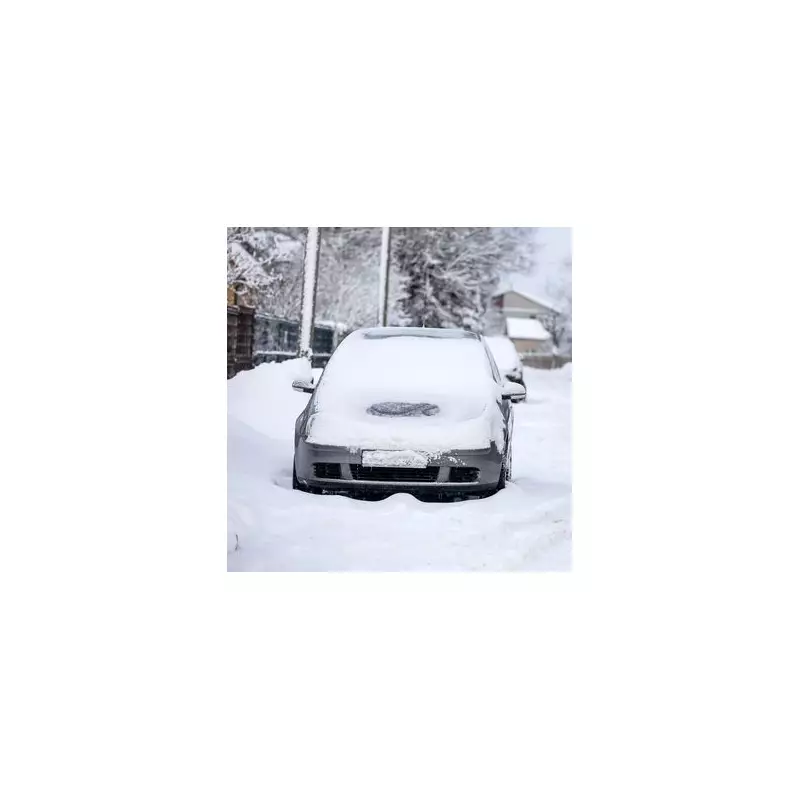
Motorists across the United Kingdom are being urged to familiarise themselves with essential winter driving regulations as a major snowstorm is forecast to sweep the nation in early January. Legal experts have highlighted five key laws, with breaches potentially leading to fines of up to £1,000 and penalty points.
Impending Snowstorm Prompts Safety Warnings
Weather data from WX Charts indicates a significant 719-mile-wide snowstorm could strike parts of the UK as soon as next week. The system is predicted to blanket regions from the Scottish Highlands down to England's south coast in early January, coinciding with the post-Christmas return to work. Only Wales and the southwest of England are expected to avoid the heaviest showers.
Driving in such conditions becomes hazardous due to slippery roads and poor visibility. However, solicitors from Stuart Miller Solicitors, via a recent TikTok video, caution that specific legal obligations apply year-round, with winter weather increasing the risks of non-compliance.

Critical Winter Motoring Laws Explained
1. Clear All Snow and Ice from Your Vehicle
While clearing your windscreen and windows is standard practice, the law requires more. Drivers must ensure no snow is left on the vehicle's roof. Snow sliding forward can dangerously obscure a driver's view, while snow flying off can endanger other road users. This action contravenes the Road Traffic Act and can result in a fine of up to £1,000.
2. Never Leave Your Engine Running Unattended
The common practice of starting your car to defrost it while you wait inside is illegal on public roads. Rule 123 of the Highway Code prohibits leaving a parked vehicle unattended with the engine running. Refusing to switch off your engine when asked by authorities can lead to a £20 fixed penalty notice. This 'idling' also increases harmful emissions and makes your car a target for theft.
3. Use Your Lights Correctly
In snowy or rainy conditions, you should typically use dipped headlights. Crucially, fog lights should only be used when visibility drops below 100 metres. Their misuse can dazzle other drivers and breach regulations. Using them incorrectly could lead to fines and penalty points under the Road Vehicles Lighting Regulations 1989.
4. Wear Sensible Footwear
Just as flip-flops are unsuitable in summer, heavy winter boots can be dangerous for driving. Thick soles impair your ability to feel the pedals and gauge pressure accurately. Driving in inappropriate footwear could lead to a careless driving charge under the Road Traffic Act, accompanied by significant fines and licence points.
5. Defrost All Windows Completely
Before setting off, ensure every window, including the rear windscreen and side windows, is fully clear of frost and condensation. Driving with obscured vision is a breach of the Road Traffic Act and a common cause of winter accidents, potentially resulting in fines and penalty points.
Staying Safe and Legal on Winter Roads
With the snowfall anticipated in early January, taking a few extra minutes to prepare your vehicle and refresh your knowledge of these rules is crucial. Adhering to these laws not only helps you avoid substantial financial penalties but, more importantly, protects you and other road users during the challenging winter months. Always plan your journey, allow extra time, and drive according to the conditions.