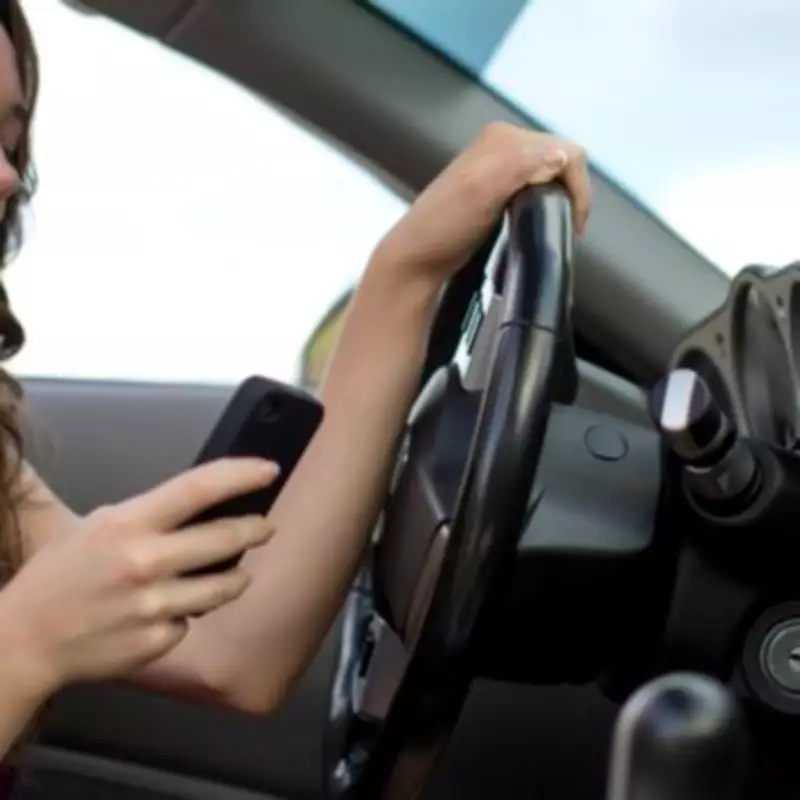
A roads policing officer has provided a definitive explanation of the regulations governing mobile phone use while driving, emphasising that there is only one specific circumstance where it is legally permissible. Sergeant Owen Messenger, an officer with Devon and Cornwall Police, regularly collaborates with content creator George on the @GeorgesCarMedia TikTok account to disseminate crucial road safety advice.
The Strict Prohibition on Handheld Use
In a recent video posted to the TikTok platform, Sergeant Messenger addressed a query about how to "get away" with using a phone while driving on roads and motorways. He delivered a clear and uncompromising message regarding the legal boundaries.
"The fundamental principle is that you cannot use the device while it is in your hand," stated Sergeant Messenger. "Any interaction with the phone while holding it constitutes an offence. This includes merely unlocking the screen; you do not need to be actively making a call or texting. Simply unlocking the device is sufficient to commit the violation."

The One Permissible Exception
The officer outlined the single instance where drivers may legally use a mobile phone while the vehicle is in motion. "If you absolutely require it for navigation purposes, such as GPS or sat-nav, you may use it provided it is secured in a fixed holder," he explained. However, he issued a strong caveat to this allowance.
"If you intend to touch the phone or use it for any function other than following the navigation instructions, you must first pull over to a safe location," Sergeant Messenger advised. "Only then should you interact with the device to change your destination or perform other tasks."
Severe Penalties for Violations
Drivers who are apprehended using their phone illegally while operating a vehicle face significant consequences. The standard penalty includes:
- Six penalty points endorsed on the driving licence
- A £200 fixed fine
These sanctions underscore the seriousness with which authorities view distracted driving offences.
Addressing Common Queries About Police Exemptions
Anticipating public questions about why police officers appear to use screens while performing their duties, Sergeant Messenger clarified the regulatory distinctions. "The mobile phone offence is one aspect, but there is also the offence of not being in proper control of the vehicle," he noted.
"If you are looking down to adjust your sat-nav settings instead of watching the road, that may not be a mobile phone offence if the device is in a holder, but it could constitute not being in proper control or even driving without due care and attention," he elaborated.
How Police Equipment Differs
Sergeant Messenger explained that all technology installed in police vehicles undergoes rigorous approval processes to ensure it can be used safely while the vehicle is in motion. "Our in-car systems have different operational modes depending on whether the vehicle is stationary or moving," he said.
Police vehicles are configured with two primary modes:
- Single Crew Mode: Restricts system access when the vehicle is moving to minimise driver distraction.
- Double Crewed Mode: Allows the passenger officer more system functionality while the vehicle is in motion.
"All our approved equipment is designed to be relatively simple to operate and does not obstruct our view of the road," Sergeant Messenger added, highlighting the specialised nature of police vehicle technology compared to civilian mobile phone use.
The officer's comprehensive guidance serves as a crucial reminder to all motorists about the dangers of distracted driving and the narrow legal parameters surrounding mobile device use behind the wheel.