Eight Convicted in ICE Facility Shooting in First Antifa-Linked Terrorism Case
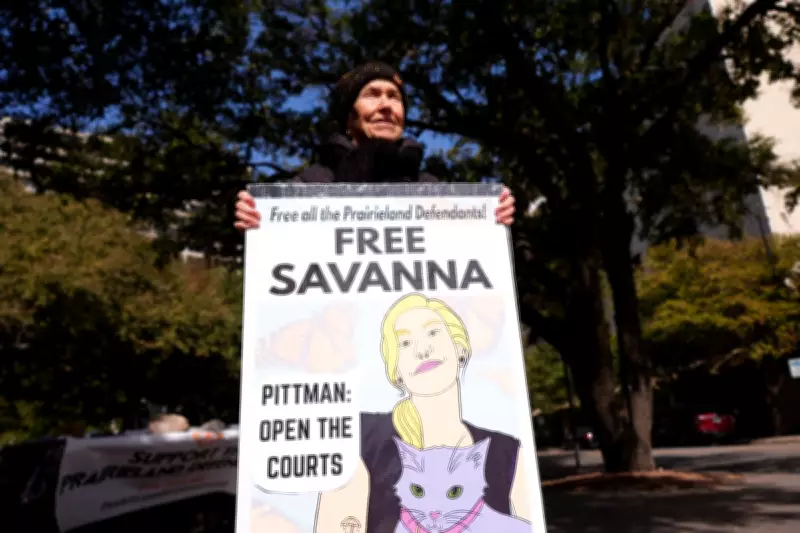
A federal jury delivered guilty verdicts on Friday against eight individuals facing terrorism-related charges in connection with a shooting incident at a Texas immigration detention facility. Prosecutors successfully linked the case to antifa, a far-left movement frequently targeted during the Trump administration, marking the first instance where material support to terrorism charges have been applied to individuals accused of antifa affiliation.
National Attention on Fort Worth Courtroom
The closely monitored trial attracted significant national attention beyond the Fort Worth courtroom, with legal experts and critics characterizing it as a critical test of governmental limits in prosecuting protest-related activities. Jurors returned guilty verdicts on multiple counts, including attempted murder against one defendant, Benjamin Song, whom prosecutors alleged opened fire outside the Prairieland Detention Center near Dallas last summer. The shooting wounded a police officer, Lt. Thomas Gross, who was struck in the neck.
Sentencing for the convicted individuals is scheduled for June, with potential prison terms of up to 15 years for those pleading guilty to providing material support to terrorists. FBI Director Kash Patel has emphasized the case's significance, noting it represents the inaugural application of such charges against people accused of being antifa members.

Defense Arguments and Prosecution Claims
Defense attorneys vigorously contested the terrorism charges, arguing their clients were not members of antifa but had instead organized a “noise demonstration” to express solidarity with immigrants detained under the Trump administration's mass deportation initiatives. They maintained there was no premeditated plan for violence during the July 4 event outside the Alvarado, Texas facility.
In contrast, prosecutor Shawn Smith asserted during closing arguments that the group's actions—including carrying firearms, first aid kits, and wearing body armor—signaled clear intent. Smith described their conduct as employing “antifa tactics” and being “obsessed with operational security,” characterizing the incident as a “direct action” rather than a peaceful protest.
First Amendment Implications and Broader Impact
The case has sparked considerable debate over First Amendment rights, as the terrorism charges did not necessitate a direct tie to any formal organization. Critics, including Suzanne Adely, interim president of the progressive National Lawyers Guild, warn the outcome could have far-reaching consequences for protest activities nationwide. Adely suggested the government aims to “criminalize constitutionally protected protests” and intimidate potential demonstrators in other cities.
Defense attorney Blake Burns echoed these concerns, telling jurors the case represents an effort by authorities to “characterize protesters as terrorists” to secure convictions. The absence of a domestic equivalent to the State Department's list of foreign terror organizations adds complexity, as groups operating within the U.S. are protected by broad First Amendment freedoms.
Details of the Shooting Incident
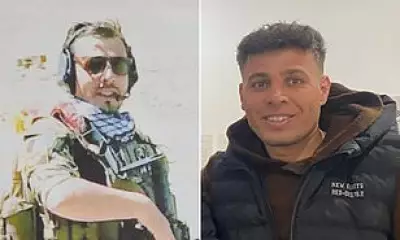
Attorneys for the defendants noted that most protesters began dispersing when two guards emerged from the detention center, prior to any gunfire. Prosecutors alleged that Song, a former U.S. Marine Corps reservist, yelled “get to the rifles” and initiated shooting, striking Lt. Gross who had just arrived at the scene. Gross testified he observed a person clad entirely in black with a covered face carrying a rifle before being shot by a round that entered his shoulder and exited his neck.
Despite Song being the individual who discharged his weapon, prosecutors charged several other protesters with attempted murder of a law officer and discharging a firearm, arguing the group's planning made such an outcome foreseeable. Song's attorney, Phillip Hayes, countered during closing arguments that there was no call to arms before Gross “came in hot” with gunfire, suggesting Song's shots constituted “suppressive fire” and the officer was hit by a ricochet bullet.

Plea Agreements and Testimonies
Leading up to the trial, several individuals pleaded guilty to providing material support to terrorists after being accused of supporting antifa, with some testifying for the prosecution. Among them, Seth Sikes stated he attended the detention center demonstration because he wanted to “bring some joy” to those detained, feeling he was “doing the right thing.” The case underscores ongoing tensions between protest rights and national security measures in contemporary American legal landscapes.