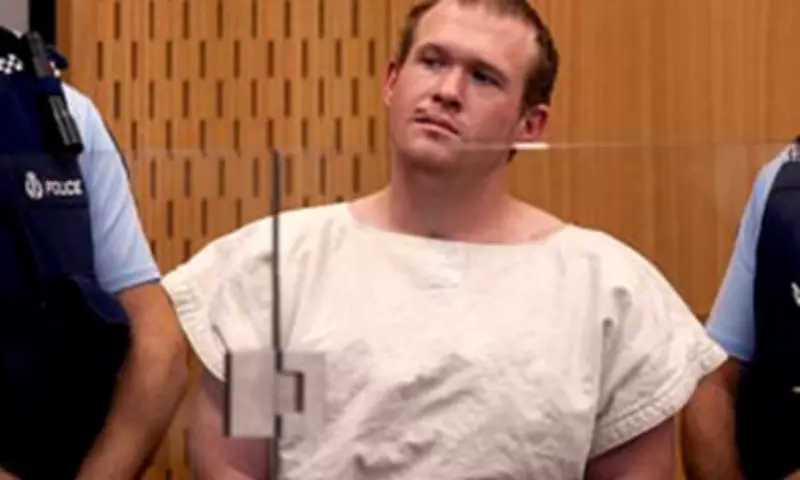
The Australian terrorist responsible for one of the world's most devastating mass shootings is preparing to challenge his conviction in court this week. Brenton Tarrant, now 35 years old, was sentenced to life imprisonment without parole for the horrific attacks on two mosques in Christchurch, New Zealand, in March 2019.
The Christchurch Mosque Massacre
On that fateful day in March 2019, Brenton Tarrant opened fire on worshippers at the Al Noor Mosque and the Linwood Islamic Centre in Christchurch. The brutal assault resulted in the deaths of 51 innocent people, including men, women, and children, while dozens more sustained serious injuries. The attack sent shockwaves across the globe and is widely regarded as one of the deadliest mass shootings in modern history.
Legal Proceedings and Sentencing
Following the massacre, Tarrant faced a comprehensive list of charges, including 51 counts of murder, 40 counts of attempted murder, and one charge of engaging in a terrorist act. In a surprising move during his 2020 trial, he entered guilty pleas to all charges, leading to his subsequent sentencing. The High Court of New Zealand imposed the strictest penalty available: life imprisonment with no possibility of parole, marking the first time such a sentence had been handed down in the country.

Grounds for Appeal
Despite his previous admissions, Tarrant is now seeking to overturn his conviction through an appeal scheduled to be heard this week. His legal team is expected to argue that his guilty plea was not entered voluntarily. Specifically, they claim that Tarrant only pleaded guilty under duress through torture, a contention that is likely to be heavily contested by prosecutors.
This appeal introduces a complex legal dimension to a case that had appeared settled. The New Zealand justice system will now have to scrutinise the circumstances surrounding Tarrant's original plea, potentially reopening painful wounds for the victims' families and the broader community.
Broader Implications
The appeal process raises significant questions about the finality of justice in high-profile terrorism cases. Legal experts are closely monitoring the proceedings, as the outcome could influence how similar cases are handled internationally. Furthermore, the appeal has reignited public debate about the adequacy of sentencing for acts of extreme violence and terrorism.
As the court prepares to hear Tarrant's arguments, the focus remains on ensuring that justice is served for the 51 lives lost and the countless others affected by the tragedy. The coming days will be critical in determining whether the original conviction stands or if a new legal battle will unfold.