Chinese authorities are intensifying efforts to erase the memory of the 1989 Tiananmen Square crackdown, as the 37th anniversary of the deadly military suppression of student-led pro-democracy protests arrives. Police have warned relatives of the victims that they will not be allowed to visit a cemetery in Beijing on the anniversary, according to a person with knowledge of the matter who spoke on condition of anonymity due to fear of retribution.
Continued Suppression of Remembrance
For more than three decades, relatives of the victims, known as the Tiananmen Mothers, have visited the cemetery on the anniversary to read memorial statements, with police monitoring the gatherings, according to Amnesty International. However, this year marks a further tightening of a yearslong campaign to erase the events from public memory. Hundreds, and possibly thousands, were killed in 1989 as troops advanced through crowds attempting to block the military from reaching protesters in Tiananmen Square. The Communist Party leadership's decision to deploy the military was a pivotal moment in China's modern history, ensuring that market reforms transforming the country into the world's second-largest economy would not be accompanied by political liberalization.
Hong Kong Security Measures
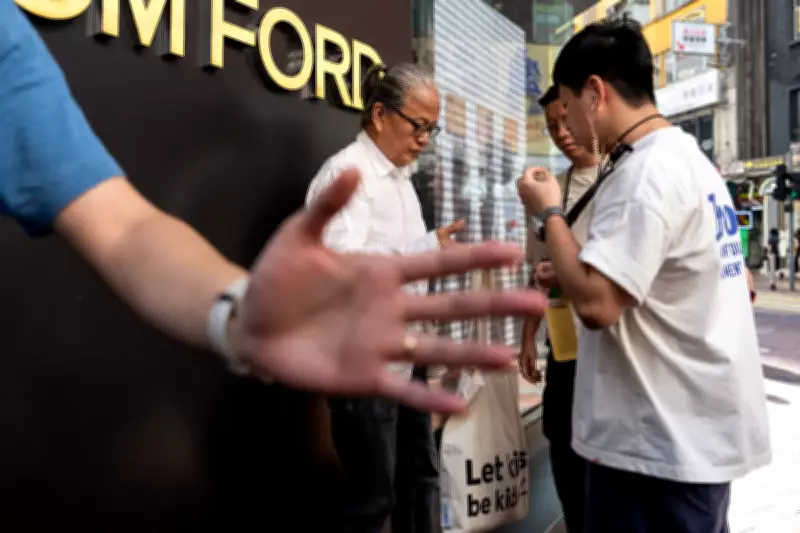
In Hong Kong, police have increased security to prevent any commemorations at or near a park that hosted a massive candlelight vigil each anniversary until a crackdown following major anti-government protests in 2019. On Wednesday, authorities stopped two performance artists from making symbolic gestures in separate incidents, including one who briefly held up a question-mark-shaped balloon outside a department store.

U.S. Secretary of State Marco Rubio, who recently accompanied President Donald Trump on a state visit to Beijing, issued a statement marking the anniversary. 'No amount of censorship can erase the past,' the statement said. 'Those who sacrificed to uphold their unalienable rights of free expression and peaceful assembly will be vindicated someday.'
Tiananmen Mothers' Appeal
The Tiananmen Mothers issued an annual appeal for justice ahead of this year's anniversary. The statement, signed by 107 people, demands full disclosure of what happened, compensation for victims and their families, and legal accountability for those responsible. Zhang Xianling, a member of the group, said in a video message posted on Facebook—blocked in China—that 'the sacrifice of our family members is an indelible pain etched in our hearts. Our tears have run dry, grief is buried deep within, what remains is eternal remembrance of our family members and hatred for the crime of massacring the people.'
Amnesty International expressed deep concern over China's escalating suppression of commemorations. 'Banning the relatives of people killed in the Tiananmen crackdown from visiting their loved ones’ graves is a heartless act by the Chinese authorities,' said Sarah Brooks, the organization's deputy director for Asia. The Beijing Public Security Bureau did not respond to a faxed request for comment.
Hong Kong Vigil Ban and Legal Actions
Authorities in Hong Kong have banned the vigil since 2020, initially citing the COVID-19 pandemic. Three organizers of the vigil have been charged under a 2020 national security law. One pleaded guilty, potentially resulting in a lesser sentence, while the other two have been tried and are awaiting a verdict. One of them, lawyer Chow Hang-tung, announced in an online post last weekend that she would go on a 37-hour hunger strike in prison. 'Behind the glitter of power and dictatorship lies the blood and broken dreams of ordinary people. For in amnesia lies the demise of democracy,' she wrote. Derek Chu, a former district councilor, said on Instagram that he visited Chow on Thursday and told her he would also stop eating for 37 hours to show support. He added that a shop he runs is distributing LED candles to remember the victims.