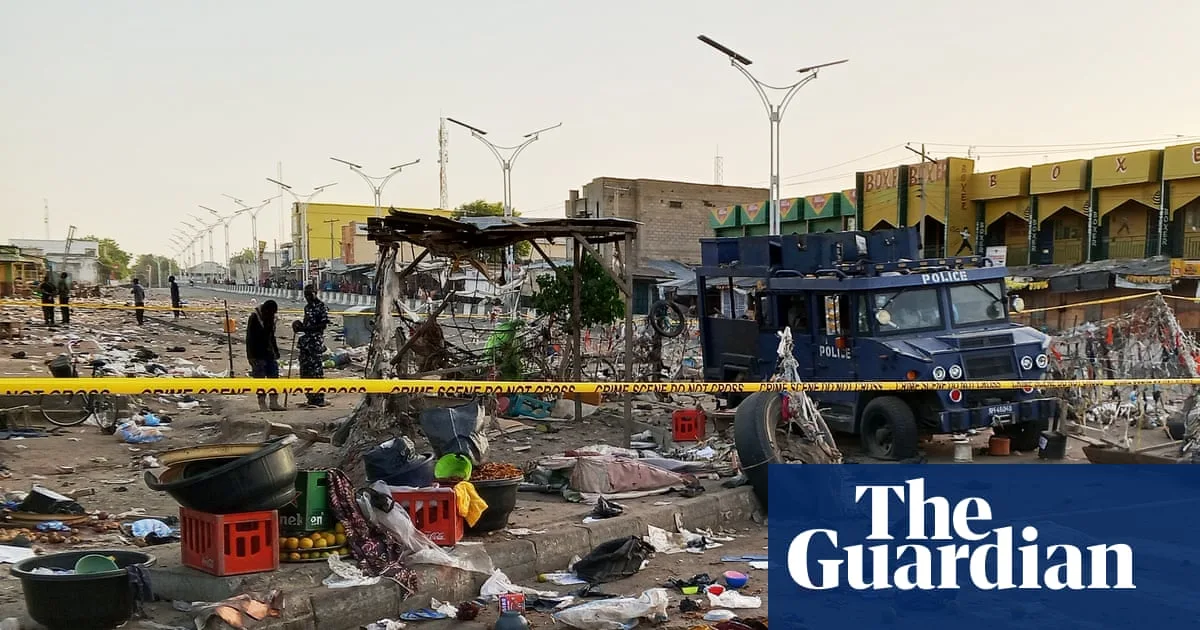
Multiple Bomb Blasts Rock Northeastern Nigeria, Scores Killed and Injured
Maiduguri, Nigeria – A series of devastating bomb explosions struck the northeastern Nigerian state of Borno on Monday night, resulting in a significant number of fatalities and injuries, according to emergency service officials. The blasts, which are suspected to be suicide bombings, occurred in at least three separate locations within the state capital, Maiduguri.
Locations and Immediate Impact
The explosions targeted the entrance of the University of Maiduguri Teaching Hospital and two bustling local markets known as Post Office Market and Monday Market. Sirajo Abdullahi, head of operations at Nigeria's National Emergency Management Agency (NEMA) in Maiduguri, confirmed the incidents but noted that an exact casualty count remains pending as rescue efforts continue.
"There are casualties and they are still managing the casualties at the hospital," Abdullahi stated. "We can't give the actual figure until we count." Eyewitness accounts, however, paint a grim picture of the aftermath.
Eyewitness Accounts and Casualty Reports
Bagoni Alkali, who witnessed the blast, reported transporting wounded individuals to the hospital for emergency treatment. "Right now, over 200 people have been injured and are receiving care in the accident and emergency department," Alkali told The Associated Press. He added, "While I could tell you so many people have died, to be honest, many lost their lives at the scene immediately after the bomb exploded. It's disheartening."
Mohammed Hassan, a member of a volunteer group that assists security forces in the conflict against armed extremists, described evacuating ten bodies from the Post Office and Monday Markets. "Many victims were rushed to the emergency ward, but some died at the hospital. We're in dire need of blood," Hassan said. He emphasized the severity of the attack, calling it "one of the deadliest in Maiduguri in years."
Context and Security Situation
The bombings come amid a complex and longstanding security crisis in Nigeria, particularly in the northern regions. Jihadi extremist groups, including Boko Haram and its factions, have been blamed for intensified attacks targeting military bases in the northeast this month. Maiduguri, the epicenter of Nigeria's 17-year struggle with extremist armed groups, has seen relatively rare attacks in recent years due to military operations.
Earlier on Monday, the Nigerian military issued a statement claiming it had repelled attacks by suspected Islamic militants on the outskirts of Maiduguri in the early hours. No group has yet claimed responsibility for the suspected bombings, leaving authorities to investigate the perpetrators.
Official Response and Condemnation
Borno's Governor Babagana Umara Zulum issued a strong statement condemning the explosions. "My thoughts and prayers are with the families of the victims and those injured as a result of the blast. The act is utterly condemnable, barbaric and inhumane," Zulum said. He urged residents to remain calm, continue with their usual activities, and report any suspicious movements or activities to security agencies to aid in ongoing investigations and prevent further incidents.
The attacks underscore the persistent threat of violence in the region, despite efforts to curb extremist activities. Emergency services and hospitals are currently overwhelmed, dealing with the immediate aftermath and providing critical care to the injured.