The UK's first nationwide anonymous domestic abuse survey has launched in a bid to uncover the true scale of abuse hidden from official figures. The Real Count UK is giving people aged 16 and over across England, Scotland, Wales and Northern Ireland the opportunity to anonymously record their experiences, including those who have never reported what happened to police or support services.
The scale of under-reporting remains stark. A 2025 report from the Domestic Abuse Commissioner, citing the Crime Survey for England and Wales, said less than one in five victims and survivors report domestic abuse to police.
Founder's personal motivation
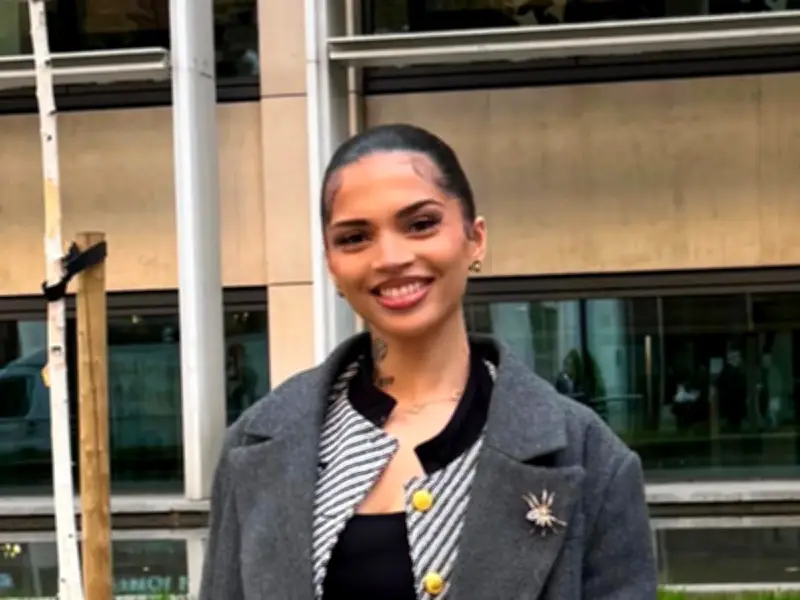
For founder Angelique Brown, the gap in the figures is deeply personal. As a survivor herself, she knew first-hand how fear could stop someone from reporting an abuser. After joining a Freedom Programme and meeting other survivors, she realised just how many others had also never gone to police.

She told the Mirror: "I met a lot of survivors who'd never reported their perpetrator. So, when the government came out with their VAWG strategy saying they want to half violence against women and girls in the next 10 years, 'I just thought well what are you halving.' because if everyone that I know who's gone through domestic abuse hasn't reported it, then what statistic are you running by."
Angelique began researching whether there was another way for survivors to contribute to statistics without formally reporting their abuse. When she could not find one, she decided to launch The Real Count UK.
Survey expansion and collaboration
The organisation first piloted the survey in Merseyside and Greater Manchester before expanding nationally, later teaming up with Manchester Metropolitan University through researcher Dr Kim Heyes to widen the collection of data around unreported domestic abuse.
Speaking about why she did not report her abuse, Angelique said: "Mainly fear of the person who done it to me. I still am extremely fearful of what he could do. But he also created an environment of absolute terror towards external factors, such as family members, police, social services and that made me see them as the enemy."
"It was completely brain washing, There was an extreme level of hostility towards outside factors. I really didn't trust them. I thought that they were trying to break us up. And it wasn't until I joined the survivor programme and learned their [abusers] tactics and learned how they create these environments that I finally kind of got onto the fact that I'm being coercively controlled and this reality he has built is not real."
Barriers to reporting
Her conversations with other survivors showed her there were many reasons people did not come forward with their abuse. She said: "I think the main reason people were fearful to leave was coercive control, so the abusers were threatening them, using their children against them, and using the criminal court system and the family court system to their advantage. But it's hard to pinpoint to one reason."
Angelique said some survivors could also feel hesitant about approaching frontline services for help. She said: "Survivors are hesitant to reach out to frontline services because when you call Women's Aid or the National Helpline for Domestic Abuse, the first thing they hit with is, 'please note that everything you say to us is confidential. However, if we deem you or a child or a vulnerable adult at risk, we have an obligation to share this information with other people.' And that sentence right there before you even get on the phone to try and get help can deter so many survivors away because they're so scared of losing their children, losing their homes losing whatever it is that they have left after abuse. My ex-partner used to say to me it's better the devil you know."
Violence against women and girls was described as a national emergency by police chiefs in July 2024, with the Government pledging to halve VAWG within a decade. While Angelique agreed with the need to tackle violence against women and girls, she also stressed the importance of recognising men who experience domestic abuse.

Survey details and impact
The Real Count UK survey is open to people of any gender aged 16 and over. It can be completed by someone who experienced abuse themselves or on their behalf by another person, such as a family member or professional. It takes about 90 seconds to complete and does not ask participants for their name, address or contact details.
The organisation hopes the anonymous information will help reveal patterns in abuse, barriers which stop people reporting and differences between local areas, creating a wider picture for researchers, policymakers, commissioners and frontline organisations.
Angelique said: "I created The Real Count UK because I know there are millions of people whose lives have been shaped by domestic abuse but whose experiences will never appear in official figures. Every response helps us move closer to understanding the true scale of abuse, not just the part that's visible. If we are serious about ending domestic abuse, we first need to understand its true prevalence. The Real Count UK is a step towards making that possible."
Beyond the data, Angelique hopes the organisation will give survivors a way to feel that what happened to them has been acknowledged, something she said she would have valued when she was experiencing abuse herself. She said: "Speaking in the capacity of a survivor and not the founder, when I was going through it, I just felt so lonely, felt like nobody understood what I was going through. So if as a survivor, I was able to come across something called the real count where I could anonymously contribute towards a larger picture of domestic abuse, I would feel like this is doing something."