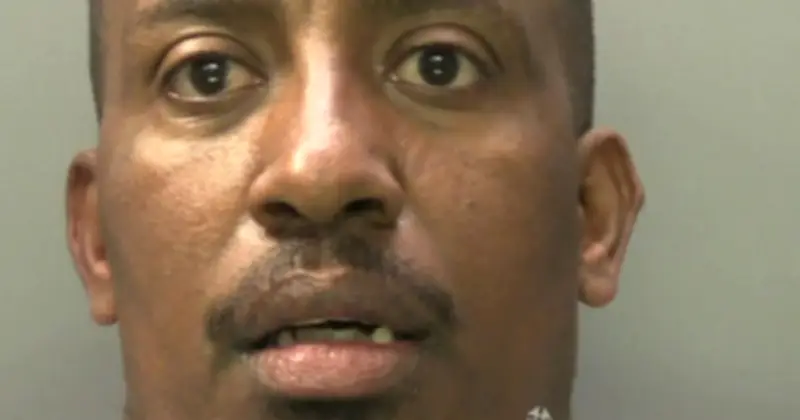
Radiet Meles, 35, has been sentenced to nine years in prison for raping and assaulting a woman in Newport, South Wales, in March. The Eritrean national had previously been told he would likely be deported after an attempted rape conviction in 2019.
Previous Conviction and Deportation Warning
Meles was found guilty at Newport Crown Court of rape and assault by beating. He was sentenced at Cardiff Crown Court on Friday, November 20.
In 2019, he received a five-year sentence for the attempted rape of a woman who was unconscious at a party. At that time, Judge Christopher Vosper KC told Meles he would "likely" be held in an immigration detention centre and the home secretary would "likely" make a deportation order.
After his release from jail, Meles carried out the rape and assault in Newport city centre.
Details of the Attack
The court heard that Meles, a factory worker, spent his pay on alcohol and visits to prostitutes. He met the woman on March 15 and agreed a price with her before she performed a sex act on him.
Meles then grabbed the woman and raped her at a disused garage. She fought him off, but he slapped her in the face. The woman managed to flee and raised the alarm.
Det Cons Philippa Lunn from Gwent Police thanked the woman for coming forward and praised her bravery, strength and perseverance. She added: "Radiet Meles is a dangerous predator who attacked another person for his own sexual gratification. His actions against the victim demonstrate a complete lack of regard for women and he is now rightly behind bars."
Deportation Efforts and UK-Eritrea Dispute
A Home Office spokesperson said any foreign national who receives a prison sentence in the UK is referred for deportation at the earliest opportunity and will be barred from ever returning. They told the BBC: "Returns of foreign criminals have reached their highest level in nearly a decade and, since the election, nearly 12,000 foreign criminals have been removed from the UK."
The UK and Eritrea have been locked in an ongoing dispute over the deportation of criminals and illegal migrants. Home Secretary Shabana Mahmood threatened in October to block all Eritreans from entering the UK unless a returns deal is agreed. Her threatened visa ban was branded a "perfunctory political gimmick" by Eritrea's embassy in the UK.
Eritreans were the most common nationality among migrants arriving in the UK after crossing the Channel in the year to June and have the second highest grant rate for initial asylum decisions (84%), figures show. The country's embassy in Britain said despite repeated requests for constructive talks on the dignified return of its citizens, the UK has shown no interest to engage in "meaningful and appropriate" dialogue.
It is understood there are about 230 Eritrean foreign criminals the UK is seeking to deport. Of the 85,858 prisoners behind bars in England and Wales at the end of June, 160 (0.2%) were Eritrean, according to Ministry of Justice figures.