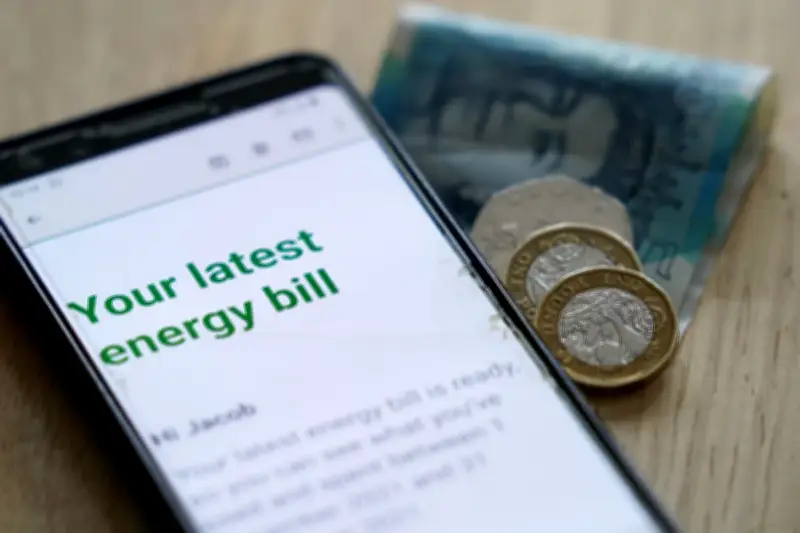
The energy regulator Ofgem has confirmed a 26% increase to its price cap, pushing typical annual dual fuel bills to £2,166 for the three months from January 1. This marks the highest quarterly energy bills since the second quarter of 2023, adding £443 to current levels for a typical household.
What is the Ofgem price cap?
The energy price cap sets the maximum amount suppliers can charge customers in England, Scotland and Wales for each unit of gas and electricity. It also limits the daily standing charge, which covers the cost of connecting a home to the grid.
The headline figure indicates what a household using both gas and electricity and paying by direct debit can expect to pay if their consumption is typical. The cap does not limit total bills, as households still pay for the energy they actually use. Energy is regulated separately in Northern Ireland.
Why are bills rising?
The increase is largely linked to a surge in international gas prices, while electricity prices have risen more slowly. Ongoing tensions in the Middle East have driven wholesale oil and gas prices sharply higher since October, affecting the calculation period used by Ofgem.
The government is offering around 20 million households a £100 payment to help with energy bills from January. A temporary 5% VAT cut on electricity bills runs until June next year, and gas standing charges are set to be scrapped in England, Scotland and Wales. Eligible households can also receive a one-off £150 warm homes discount for the winter.
What happens next?
Prices are expected to start falling after a dip in wholesale energy costs. Cornwall Insight forecasts a 1% drop for the quarter from April, which would bring a typical bill to £2,151 for the year. Ofgem will confirm the next quarter's price change in February, and analysts expect bills to settle at around £2,000 a year for a typical household in the second half of 2027.
More than 10 million households on fixed tariffs are unaffected by the rising cap. Ofgem suggests customers consider fixed rate tariffs or switching to direct debit, which could save the average customer around £160 a year. Experts recommend looking for deals cheaper than the price cap, lasting no longer than 12 months, and without significant exit fees. Uswitch said the current cheapest fixed rate deal could save an average of £412 a year against January's levels, though bills vary by location and usage.