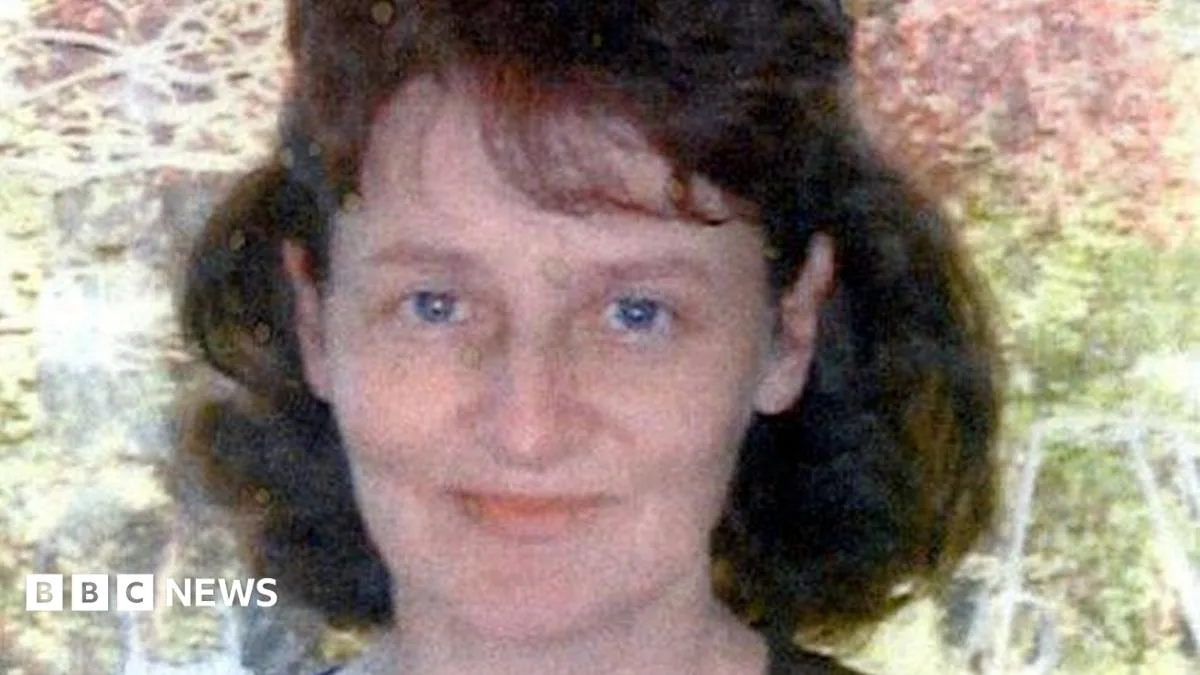
Killer Husband Granted Parole Despite Never Revealing Wife's Body Location
Husband Freed Despite Not Revealing Wife's Body Location

Glyn Razzell, a husband convicted of murdering his wife and who has persistently refused to reveal the location of her body, is set to be freed from prison after being granted parole. Razzell was sentenced to a minimum of 16 years imprisonment for the death of Linda Razzell, a mother-of-four, who vanished in 2002 while on her way to work at Swindon College in Wiltshire. Despite extensive searches, no trace of her remains has ever been found.

Parole Decision Sparks Controversy

In January, a parole panel ruled that Razzell, originally from Somerset, no longer poses a risk to the public, leading to his release. This decision comes after he was found guilty of his estranged wife's murder in 2003 following a lengthy trial. Notably, Razzell had been denied parole three times previously, including in 2021 when he became the first prisoner to be refused under Helen's Law.

What is Helen's Law?

The Prisoners (Disclosure of Information About Victims) Act 2020, commonly known as Helen's Law, was enacted in January 2021. Named after Helen McCourt, an insurance clerk who disappeared in 1988, this legislation makes it more difficult for killers to obtain parole if they withhold information about their victim's body. It also applies to paedophiles who refuse to identify those they abused. Helen McCourt's murderer, Ian Simms, was released last year without ever disclosing the location of her body, highlighting ongoing challenges with the law's enforcement.

Wide Pickt banner — collaborative shopping lists app for Telegram, phone mockup with grocery list

Family Outrage and Legal Challenges

Linda Razzell's family, including her fiancé Greg Worrall, have expressed profound disappointment, arguing that Razzell should not be granted parole until he shows remorse or provides information about her body. Worrall stated that Razzell has "never shown any remorse" for his actions, a key criterion for parole consideration. He emphasised, "If he wants to show remorse he's got to stop saying he didn't do it, turn up a body and allow her children a funeral. Jail has got to be a deterrent."

In response to the ruling, the family told the BBC that the parole board had effectively "ripped up" Helen's Law, which places a legal duty on the board to account for the distress caused by killers who conceal victim locations. The Parole Board, however, defended its decision, noting that while it acknowledged the "continuing cruelty" of Razzell's refusal, it concluded his risk to the public is now manageable. The Ministry of Justice has confirmed it is exploring grounds to challenge the decision through a reconsideration mechanism.

Background of the Case

Linda Razzell was last seen in March 2002 in Old Walcot, Swindon, after dropping her children at school and her fiancé at work. During the investigation, a significant amount of blood matching Linda's was found in the boot of a car driven by Razzell. Detectives conducted an extensive 18-month inquiry, speaking to 2,600 people, following over 2,200 lines of enquiry, and taking 1,540 statements. In November 2003, a jury at Bristol Crown Court took six hours to convict Razzell of murder.

Following the trial, Detective Chief Inspector Paul Granger, who led the Wiltshire Police team, described Razzell as "an evil, cold, calculated and intelligent man" who made mistakes leading to his capture. He added, "I don't think Razzell will tell us where the body is and if he does, it will not be for a long time." Razzell has repeatedly appealed his conviction, including appearing on a BBC miscarriage of justice programme in 2018, which failed to produce sufficient evidence and was criticised for potentially upsetting Linda's family. He also refused to take a lie detector test during the programme.

Ongoing Implications

The case underscores ongoing debates about parole policies and the effectiveness of laws like Helen's Law in ensuring justice for victims' families. As Razzell prepares for release, questions remain about accountability and the emotional toll on those left behind, particularly given the lack of closure over Linda's whereabouts. The Ministry of Justice's potential challenge highlights the legal complexities surrounding such parole decisions in high-profile murder cases.

Pickt after-article banner — collaborative shopping lists app with family illustration