A Met Police detective on the Police Now graduate scheme helped secure a 21-year sentence for an attempted murder case, a result he described as 'fantastic'. The officer, who cannot be named due to his counter-terrorism role, built a rapport with the victim by bonding over a shared love of sport.
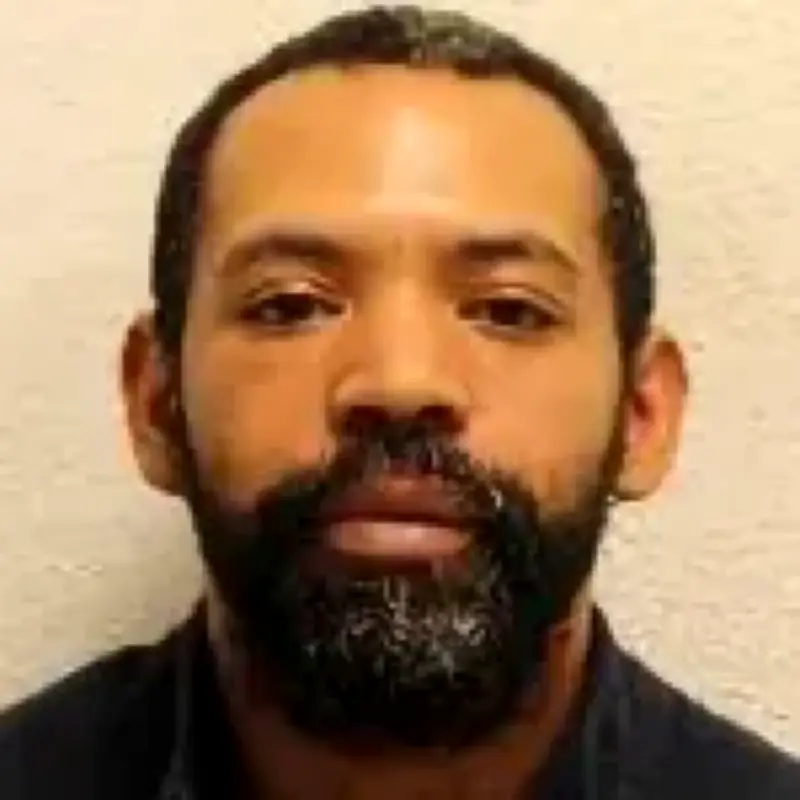
Brandon Ruck stabbed the man 16 times at a property in Lewisham, south-east London, last year. He was found guilty of attempted murder earlier this year and on Tuesday received a sentence that the detective said was 'probably as close to life as you can really get without actually giving life.'
Victim's injuries and sentence
The victim suffered a stab wound to the face that went through his cheekbone and severely damaged nerves. This left the former friend of the attacker with 'very significant injuries' and a 'high chance' of future complications, such as not being able to swallow or move his tongue.
'When we take into consideration there was discussion of taking the plea for Section 18 Grievous Bodily Harm, which myself and the prosecutor were adamant we didn't want to take… the sentencing is remarkable,' the detective said. For Grievous Bodily Harm (GBH) with intent, the standard sentence ranges from two to 16 years.
Detective's experience in court
The detective was just a year and a half into the Police Now graduate programme when he was called to give evidence in the trial and was cross-examined by Ruck's lawyer. 'I'd given evidence a few times before, but this case was only my second time being cross-examined,' said the detective in his mid-twenties. 'I'll be honest… it was terrifying.'
'In this case, I saw the defence stand up and thought, "Oh, here we go." My leg was shaking behind the stand; I was trying to hide it from the jury. However, I put so much effort into this case; it was watertight. Anything they came at me with, I knew I could answer.'
Building trust with the victim
Originally, the victim did not want to engage with the court case or provide evidence on the attack. 'He had a few troubles with the police in the past, so he wasn't overly keen to speak to us about what had happened,' said the graduate. However, trust grew between the detective and the victim, who is in his 30s. 'I knew I was a similar age to him, so I just thought I would speak to him like a normal person.'
The detective said the victim seemed 'over the moon' with the outcome. 'You have to manage the expectations of the victim throughout every trial – you don't want to be telling them that you think it's going to be a guilty verdict or telling them how long you think the sentence is going to be. When that result was delivered, I think he was really happy and felt a lot safer.'
There is also a restraining order upon the defendant, which is until a further order is made. 'That prevents any contact with the victim and prevents the defendant from going anywhere near the offence location – which is positive not just for the victim but also the local community in that area.'
Unexpected length of sentence
The detective said he 'didn't expect' such a lengthy sentence. 'In attempted murder, there's so many variations. In this particular case, if I'm honest, I was probably anticipating around the 15, maybe 16-year mark. I had a conversation with the prosecutor just after the sentencing, and she said the same.'
'Equally, when the judge read his notes, and you look at all the evidence in the case, it's definitely justified being that long.' The judge also made 'really kind remarks' to the detective personally in the hearing. 'He said, "[NAME REDACTED]'s hard work in investigating and preparing this case was instrumental in its successful prosecution." It's rare to have a judge ever say anything like that, so it was really nice to hear. Especially as someone so early in my career, that gave me a confidence boost that I think all fairly fresh in the job DCs could definitely use.'