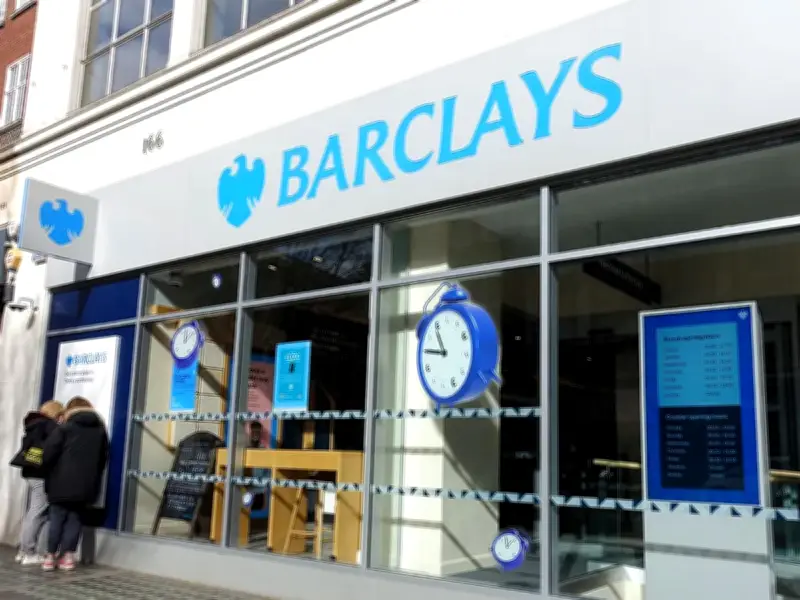
Major UK high street banks, including Barclays, Lloyds, and NatWest, are set to face strict new legal requirements affecting their services, as a newly drafted amendment to the 2026 Finance Bill is prepared to go before MPs. The proposed legislation would place fresh statutory obligations on the Financial Conduct Authority (FCA), requiring the regulator to "exercise its functions so as to secure, so far as reasonably practicable, that individuals and businesses throughout the United Kingdom have reasonable access to face-to-face banking services".
The legislative push follows an independent review into banking services, which examined the public's need for physical branches and access to cash. The review urged the Government to legislate "as soon as possible to create an access to banking services obligation on designated banks" and to "extend the remit and powers of the FCA" to enforce it.
Regulator to supervise new rules
Speaking to the BBC Money Box show, Richard Lloyd, who chaired the independent review, said the rules could be enacted swiftly if MPs back the move. He said: "If we see cross-party support in Parliament for this, then I think we should see the law changed and put in place in time for early in the new year."
"We then need the regulator to get on and supervise this. So this isn't going to be a voluntary scheme; this is going to be supervised, clear rules set out for the banks to have to follow." With ongoing branch closures leaving rural areas and smaller towns stripped of cash access and over-the-counter services, Mr Lloyd said he has already urged banking executives not to delay.
"The message I've been giving to the banks as well is: don't wait for legislation, get on with this now," he said. "We can see the harm that's being done to communities, individuals, to small business owners—don't wait for the law before you respond."
Mr Lloyd said he had heard from residents in isolated areas where "people are having to spend a whole day doing their banking". He said this just isn't good enough. He warned: "That is not reasonable. Those rules will be set out: what is acceptable in terms of people's travel and where in-person facilities would naturally be put."
"So I think we should see a significant change here, and that will be the test: is it reasonable? Does it work for consumers?"
What does the proposed legislation involve?
The draft legislation mandates that when determining "whether access to face-to-face banking services is reasonable", the FCA must give "particular regard" to several local factors:
- How rural or remote a community is, including the distance and travel time to alternative branches
- The availability, frequency, and cost of local public transport
- Levels of digital exclusion, including broadband and mobile coverage
- The local population's age and social care demographics
- The requirements of cash-dependent businesses and consumers
The amendment also requires the FCA to publish clear guidance "setting out the circumstances in which the closure of a bank branch or reduction in face-to-face banking provision would result in unreasonable access to banking services". If a planned closure threatens reasonable access, the regulator will be given fresh powers to direct banks or building societies in how they should step in and maintain adequate local provision.
On top of this, the draft laws set out that the Treasury "must lay before Parliament an annual report prepared by the FCA on access to face-to-face banking services, including an assessment of provision in rural and remote communities".
The future of local banking
Despite the current lack of in-person services in many parts of the UK, Mr Lloyd expressed optimism to Money Box that the high street banks will respond positively. He said: "I think we'll see those shared banking hubs expanded, offering more services, more consistent services for more of the day."
"I think we'll still see a role for the Post Office. But there are already signs—and I'm wanting to see more of this quicker—that the banks are recognizing that it's in their interest, as well as in the interest of their customers, that they keep in-person facilities open."
You can carry out some everyday banking at local Post Office branches, such as withdrawing cash, making deposits, and paying in cheques. The Post Office also operates banking hubs, which provide shared community spaces for basic transactions. Staff from major banks rotate on specific days of the week to offer face-to-face support - check with your local banking hub to see what services they offer.