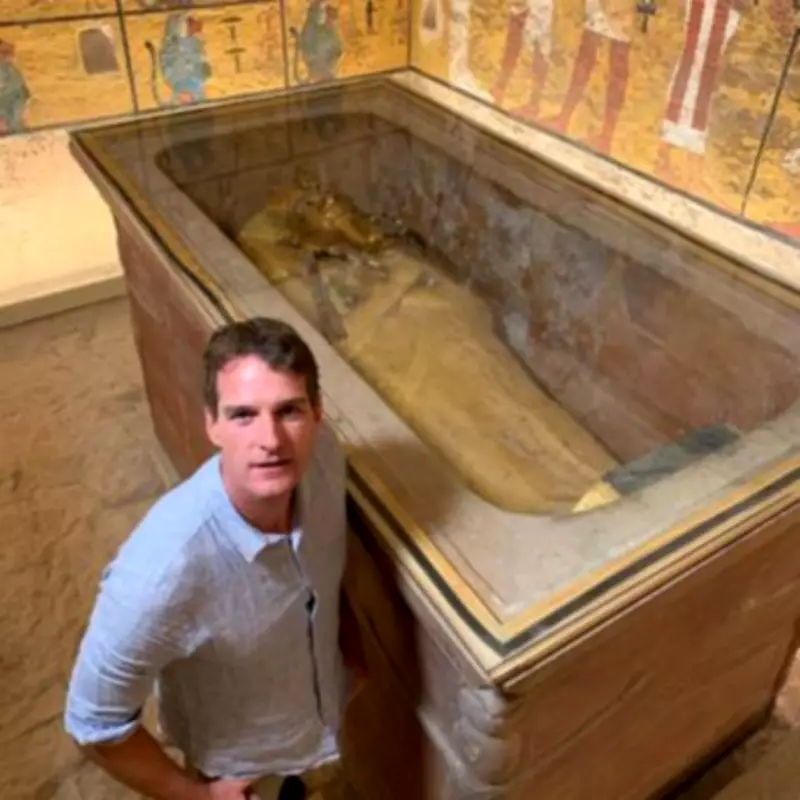
The Pharaoh's Vengeance: A Century of Misfortune Following Tutankhamun's Tomb Opening
On February 16, 1923, archaeologist Howard Carter unsealed the burial chamber of Pharaoh Tutankhamun in Egypt's Valley of the Kings, revealing a treasure trove of ancient artifacts and the mummified remains of the boy king. While this monumental discovery revolutionized our understanding of Egyptian burial practices, it allegedly unleashed a deadly curse that has claimed numerous lives over the past century.
The Origins of the Pharaoh's Curse
The so-called "curse of the pharaohs" gained traction when members of the excavation team began experiencing bizarre misfortunes and untimely deaths. According to historical accounts, the first ominous sign appeared when Carter sent a messenger to his home, where the courier discovered a cobra snake inside a birdcage clutching a pet canary in its mouth. This serpent resembled the royal cobra depicted on Tutankhamun's crown, leading many to interpret it as a warning from beyond the grave.
Sir Arthur Conan Doyle, creator of Sherlock Holmes, fueled public fascination by suggesting the strange incidents resulted from "elementals" summoned by Tutankhamun's priests to guard the royal tomb. While skeptics note that many who entered the tomb lived long lives, and only eight of the fifty-eight people present at the opening died shortly afterward, the pattern of tragedies remains compelling.

The Fatal Consequences
The initial fatality occurred just four months after the tomb's opening. Lord Carnarvon, who financed the excavation and whose ancestral home Highclere Castle served as the filming location for Downton Abbey, died from an infection caused by a mosquito bite that turned septic during shaving. His death on April 5, 1923, marked the beginning of what many believe to be the curse's deadly toll.
Other notable victims include:
- American railroad magnate George Jay Gould, who developed a fatal fever after visiting the tomb in May 1923
- Prince Ali Kamel Fahmy Bey of Egypt, shot by his wife shortly after being photographed at the tomb
- Lord Carnarvon's half-brother, Colonel The Hon. Aubrey Herbert, who died from blood poisoning after dental surgery
- Sir Archibald Douglas Reid, the radiologist who X-rayed Tutankhamun's mummy, who succumbed to a mysterious illness in 1924
Bizarre Incidents and Violent Ends
The curse allegedly extended beyond immediate death to include strange misfortunes. Sir Bruce Ingham received a macabre gift from Carter: a mummified hand adorned with a scarab bracelet bearing the inscription "Cursed be he who moves my body. To him shall come fire, water and pestilence." Shortly afterward, Ingham's house burned down, and when rebuilt, it flooded.
Violent deaths also plagued those connected to the tomb. Sir Lee Stack, Governor General of Sudan and an early visitor, was shot while driving through Cairo in 1924. Captain The Hon. Richard Bethell, Carter's personal secretary, was found smothered in his bed in 1929. His father, Lord Westbury, reportedly jumped from his seventh-floor apartment three months later, leaving a suicide note referencing "horrors" he could no longer endure.
Scientific Perspectives and Lasting Legacy
Despite the pattern of misfortune, many archaeologists and historians attribute the deaths to coincidence, natural causes, or the hazardous conditions of early 20th-century expeditions. Howard Carter himself lived until 1939, dying at age 64 from natural causes, though some still connect his death to the curse.
The 3,300-year-old mummy of Tutankhamun continues to captivate and terrify people worldwide, with the centenary of the tomb's discovery reigniting interest in both its historical significance and the enduring legend of the pharaoh's vengeance. Whether viewed as supernatural retribution or tragic coincidence, the trail of death following the tomb's opening remains one of archaeology's most chilling mysteries.