The tragic death toll from a catastrophic building collapse in Tripoli, Lebanon, has now risen to 15, according to official state media reports released on Monday. This devastating incident has sent shockwaves through the community, underscoring deep-seated issues of governmental neglect and substandard infrastructure in the region.
Details of the Collapse and Casualties
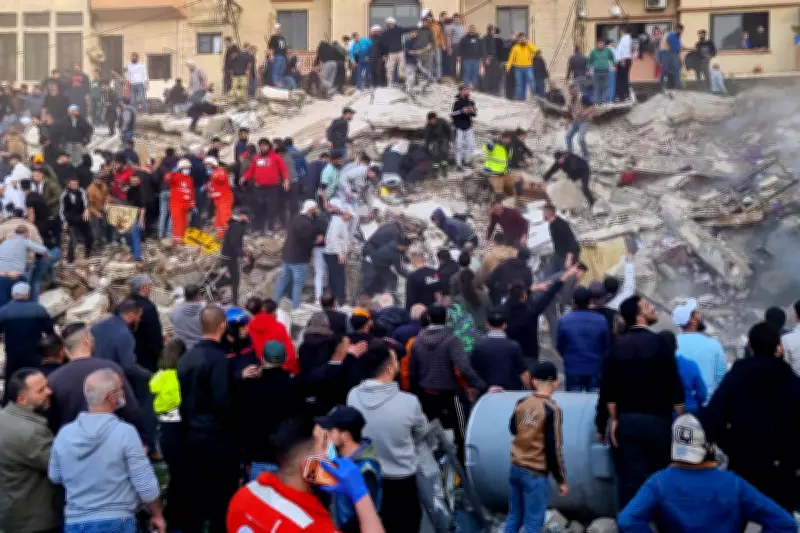
The six-story apartment building, located in the impoverished Bab Tabbaneh neighborhood of Tripoli, collapsed suddenly on Sunday afternoon. In addition to the 15 fatalities, the state-run National News Agency confirmed that eight more individuals sustained injuries. Lebanon's civil defense further reported that at least one person suffered a gunshot wound amid the chaotic aftermath.
Community Reaction and Safety Concerns
Following the collapse, residents gathered around the massive crater left by the fallen structure, with some firing shots into the air in a display of grief and frustration. This emotional response highlights the intense local anger over the incident. Authorities evacuated surrounding buildings in the area due to fears that they might also be structurally compromised, raising urgent safety concerns for the wider neighborhood.

Historical Context and Government Neglect
Tripoli, Lebanon's second-largest city, has long been plagued by complaints of government neglect and shoddy infrastructure. Building collapses are not uncommon in the city, primarily due to poor building standards and inadequate maintenance. However, Sunday's collapse has sparked particular outrage given the high death toll, bringing renewed attention to these systemic failures.
Official Response and Investigation
In response to the tragedy, officials have pledged to thoroughly investigate the cause of the collapse. They have also vowed to take legal measures against any individuals or entities found responsible for the structural failure. This commitment comes amid growing public demand for accountability and improved safety regulations to prevent future disasters.
The incident serves as a grim reminder of the urgent need for infrastructure reforms in Lebanon, particularly in vulnerable urban areas like Tripoli, where residents continue to bear the brunt of political and economic instability.