Prosecutors Detail Alleged 'Sexual Sadist' Behaviour of Accused Gilgo Beach Serial Killer
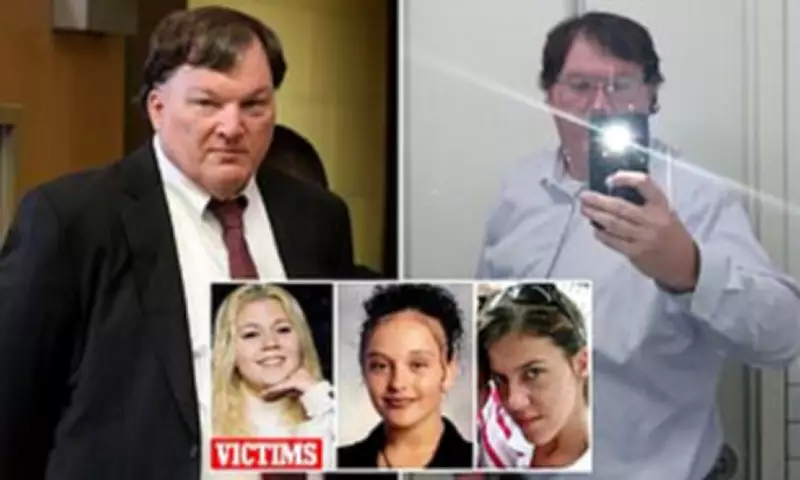
Rex Heuermann, the 63-year-old man accused of being the Gilgo Beach serial killer, has been described by prosecutors as a 'sexual sadist' who employed fake names and burner phones to contact sex workers more than 500 times prior to his arrest. According to a motion filed by the Suffolk County district attorney's office, Heuermann allegedly created a Tinder account and used false identities, including the aliases 'Andrew Roberts' and 'Thomas Hawk,' to persistently reach out to prostitutes.
Extensive Online Activity and Burner Phone Usage
Prosecutors claim that Heuermann's online behaviour provides clear evidence of deriving pleasure from others' physical pain, as cited by a police detective in the filing. Between January 2021 and March 2022, he allegedly contacted at least 56 sex workers and made over 300 calls to massage parlours using one burner phone. Another phone, used through February 2023, was reportedly employed to contact at least 61 prostitution-related numbers more than 220 times. These devices were consistently located near a phone registered in Heuermann's real name, strengthening the case against him.
Disturbing Internet Searches and Pornography Habits
Heuermann's digital footprint extended beyond burner phones. Prosecutors allege he conducted thousands of pornography-related searches via a Gmail account, including content involving bindings, torture, rape, snuff videos, and bruised women. The same account was used for more than 100 searches related to the Gilgo Beach serial killings, such as 'why hasn't the long island serial killer been caught' and 'Map of all known serial killers.' Additionally, his internet history featured searches for images of victims' family members mourning, highlighting a chilling pattern of behaviour.

Arrest and DNA Evidence
Heuermann was arrested on July 13, 2023, as he left his midtown Manhattan architecture office, following a ten-month surveillance operation by law enforcement. A key piece of evidence was DNA obtained from a discarded pizza box, which matched samples taken from a burlap sack used to conceal the body of victim Megan Waterman. Prosecutors argue this DNA match is legitimate, confirmed through a court-ordered swab, despite defense claims of privacy violations.
Victims and Legal Proceedings
The alleged victims in this case are seven women murdered between 1993 and 2010:
- Maureen Brainard-Barnes
- Megan Waterman
- Melissa Barthelemy
- Amber Costello
- Valerie Mack
- Jessica Taylor
- Sandra Costilla