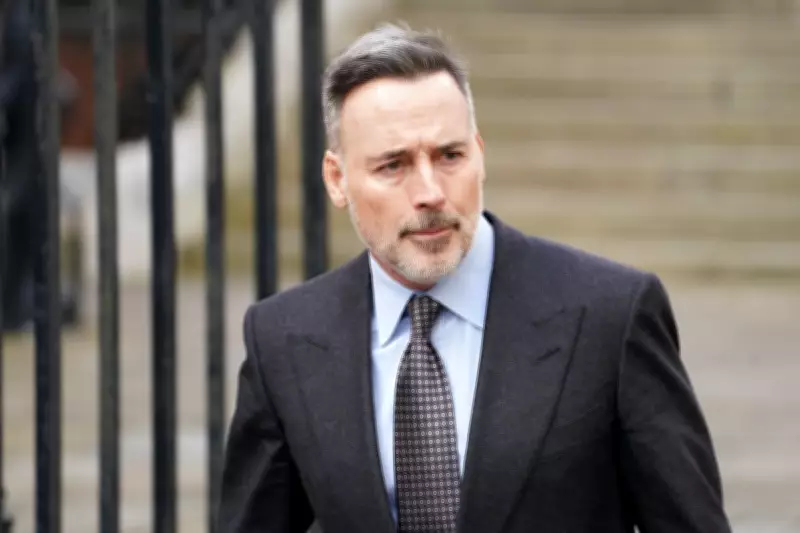
David Furnish Condemns Daily Mail's Alleged Information Theft as 'Abomination'
Filmmaker David Furnish has delivered a scathing critique of the Daily Mail's publisher, Associated Newspapers Limited (ANL), during a High Court trial, branding the alleged theft of information and tapping of his and Sir Elton John's landline as an "abomination." Furnish and Sir Elton are among a group of public figures who have filed lawsuits against ANL, asserting that ten articles published between 2002 and 2015 relied on unlawfully obtained private details, including sensitive medical information.
ANL Denies Allegations, Claims Legitimate Sourcing
ANL has firmly denied these accusations, countering that the information in question was sourced legitimately from what they describe as the claimants' "leaky" social circles, official spokespeople, or public statements. The publisher maintains that their reporting practices adhere to legal standards and ethical journalism.
Furnish's Remote Testimony Highlights Historical Tensions
Testifying remotely, Furnish elaborated on what he called a "long and difficult history" with The Mail, alleging that the publication has consistently run "homophobic" and "judgmental" stories based on stolen data. He provided specific examples to support his claims, including an article about his son Zachary's birth certificate, which he argued was manipulated to advance a "homophobic agenda." Additionally, Furnish cited details about Sir Elton's medical treatment that were published, leading to the cancellation of tour dates and causing significant personal and professional distress.

The trial continues as both sides present their arguments, with Furnish's testimony underscoring the broader implications for privacy rights and media ethics in the digital age. The outcome of this case could set important precedents for how personal information is handled by news organizations in the future.