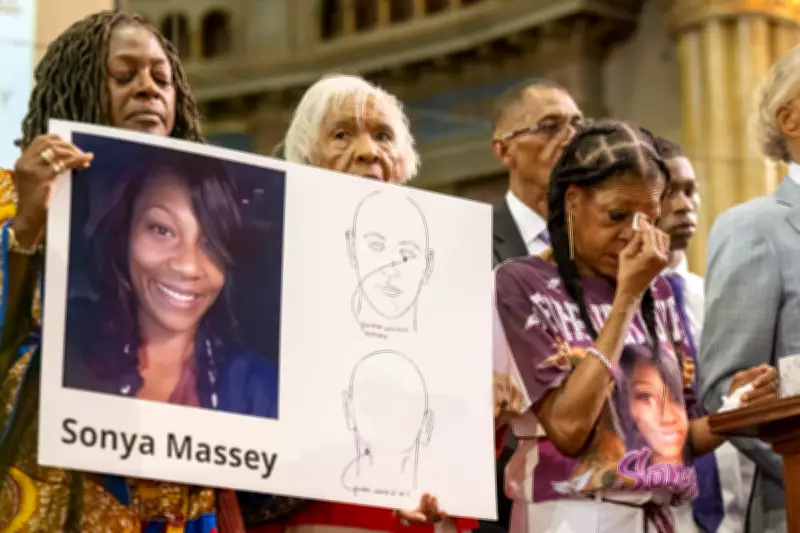
The former Illinois sheriff's deputy convicted of second-degree murder in the fatal shooting of Sonya Massey, a Black woman who called 911 for assistance, is scheduled for sentencing on Thursday, with the possibility of facing up to two decades in prison.
Details of the Conviction and Sentencing
Sean Grayson, aged 31, was found guilty in October for the killing that occurred during a welfare check at Massey's Springfield home. While the prosecution had initially charged him with three counts of first-degree murder, which could have resulted in a life sentence, the jury ultimately convicted him of the lesser charge of second-degree murder.
Under Illinois law, a second-degree murder conviction is permissible if evidence demonstrates that the defendant genuinely believed they were in imminent danger, even if that fear was deemed unreasonable. Grayson, who is white, has been incarcerated since being charged and now awaits his fate, with the potential for a 20-year prison term or probation.

The Tragic Incident Unfolds
In the early hours of July 6, 2024, Sonya Massey, a 36-year-old single mother who struggled with mental health issues, contacted emergency services because she feared a prowler was outside her residence. Body camera footage revealed that Grayson and Deputy Dawson Farley, who was not charged, first searched Massey's yard before meeting her at her door.
Massey appeared confused and repeatedly uttered, "Please, God" as the deputies entered her home. The situation escalated when Grayson noticed a pot on the stove and ordered Farley to move it. Instead, Massey retrieved the pot herself and teased Grayson for stepping back from "the hot, steaming water."
Massey then declared, "I rebuke you in the name of Jesus," prompting Grayson to draw his firearm and yell at her to drop the pan. After setting it down and ducking behind a counter, she appeared to pick it up again, at which point Grayson opened fire, shooting her in the face. He later testified that he feared Massey would scald him.
Family Outrage and Broader Implications
The jury's decision to convict on the lesser charge sparked outrage from Massey's family. Her cousin, Sontae Massey, expressed frustration after the verdict, stating, "The justice system did exactly what it’s designed to do today. It’s not meant for us."
This case has reignited discussions about law enforcement shootings of Black individuals in their homes across the United States. In response, civil rights attorney Ben Crump negotiated a substantial $10 million settlement with Sangamon County for Massey's relatives.
Systemic Changes and Investigations
The incident also triggered a U.S. Justice Department inquiry, which was resolved when the county agreed to implement several reforms. These include enhanced de-escalation training for officers, improved collection of use-of-force data, and the forced retirement of the sheriff who hired Grayson.
Furthermore, the case prompted a significant change in Illinois law, now requiring greater transparency regarding the backgrounds of candidates for law enforcement positions. This legislative adjustment aims to prevent similar tragedies by ensuring more thorough vetting processes.
As the sentencing date approaches, the community and nation watch closely, reflecting on the profound impact of this case on policing practices and racial justice in America.