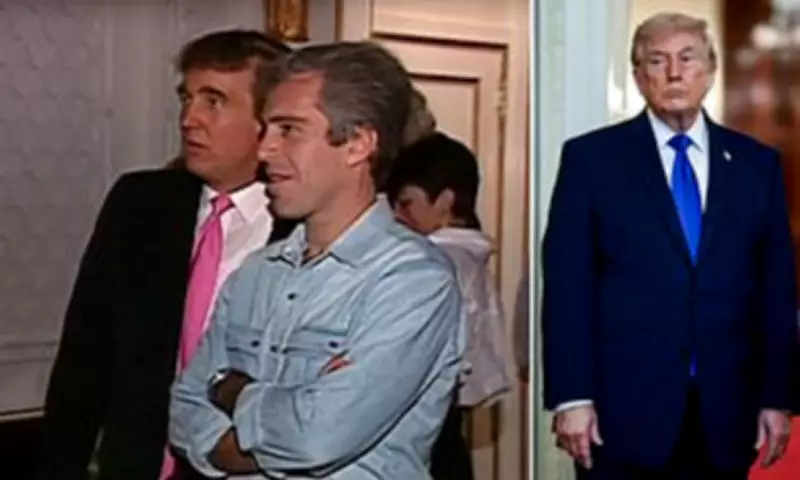
The US Department of Justice is poised to release up to nearly 50,000 additional files linked to convicted paedophile Jeffrey Epstein later this week, with expectations that they contain unverified allegations concerning former President Donald Trump. These documents, referenced in a previous tranche made public in January, were initially withheld by federal authorities, citing the need to protect survivors' privacy.
Withheld Files and Legal Scrutiny
Deputy Attorney General Todd Blanche has asserted that the files were withheld to safeguard survivors, but this move has faced criticism, particularly from Democratic members of the House oversight committee investigating Epstein. An analysis by the Wall Street Journal and CBS highlighted that 47,635 files appeared missing from the January release, which was mandated under the Epstein Files Transparency Act.
The Department of Justice stated that these files were taken 'offline for further review' and should be ready for re-production by the end of the week. Officials have previously noted that some documents include fake or false materials submitted by the public, potentially containing 'untrue and sensationalist claims against President Trump.'

Allegations and FBI Involvement
Among the files still public is a 2025 memo detailing FBI notes from 2019 interviews with a woman who made allegations against both Epstein and Trump. She claimed that Epstein introduced her to Trump and that the former president assaulted her in a violent encounter when she was a minor in 1983. The woman also alleged she was forced into a sex act with Trump at around age 13 or 14 in New Jersey.
Trump has consistently denied these allegations, and the FBI has not assessed the credibility of her accusations. The woman was deemed ineligible for the Epstein victims' compensation programme, which provided settlements to over 130 victims, and her civil lawsuit against the Epstein estate was voluntarily dismissed in 2021.
Legal Framework and Review Process
Under the Epstein Files Transparency Act, the Department of Justice is required to publicise most documents related to cases against Epstein and Ghislaine Maxwell. The department can only withhold files if they are duplicates, fall under attorney-client privilege, could harm an ongoing investigation, or are completely unrelated to the cases. The law explicitly prohibits withholding or redacting files due to potential embarrassment to public officials.
Before the January release, hundreds of attorneys were deployed to review documents, with instructions on redaction and compliance with the law. Reviewers, many unfamiliar with the Epstein case, were tasked with flagging any 'government officials and politically exposed persons' named in the materials. A department spokeswoman emphasised that if any document was improperly tagged, it would be published in accordance with the law.
Ongoing Investigations and Statements
The Department of Justice announced last month that it is reviewing whether it wrongfully withheld documents containing allegations against Trump. Deputy Attorney General Blanche has maintained that the department complied with the statute and did not protect Trump or any other public figures. At a January 30 news conference, he stated, 'I can assure that we complied with the statute, that we did not protect President Trump. We didn't protect or not protect anybody.'
A review of released documents includes an FBI summary of the woman's first interview on July 24, 2019, detailing assaults by Epstein starting when she was around 13 in the 1980s. While this summary does not mention Trump, the FBI conducted three additional interviews with her in August and October 2019. Notes from all four interviews were listed as non-testifying witness material provided to Maxwell's defence attorneys in 2021.
Background and Denials
Trump has reiterated that his friendship with Epstein ended before Epstein pleaded guilty to procuring a minor for prostitution in 2008. By the time of Epstein's 2019 arrest, Trump said he had not spoken to him in about 15 years. Ahead of the new file release, a White House spokesperson commented, 'Just as President Trump has said, he's been totally exonerated on anything relating to Epstein.'

The FBI has indicated that most claims in the Epstein files were either deemed not credible or came from individuals who provided no contact information. This upcoming release adds another layer to the ongoing scrutiny of the Epstein case and its connections to high-profile figures, with the potential to reignite public and political debate over the allegations and the handling of sensitive documents.