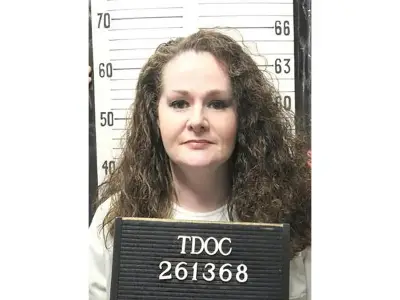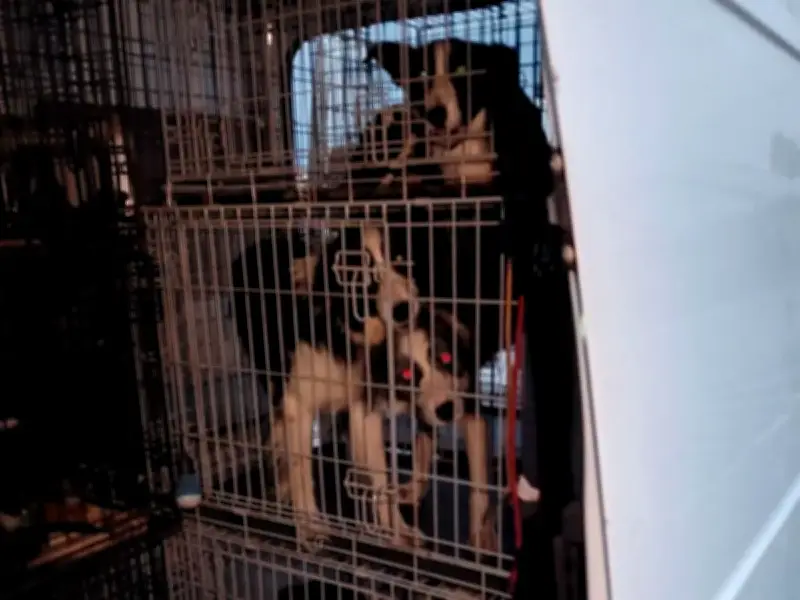
A woman has been banned from keeping animals for life and handed a suspended prison sentence after 21 dogs and a cat were found living in filthy conditions in a van and caravan in Cumbria.
Penelope Garner-Carpenter, 67, now of Hatfield Woodhouse near Doncaster, South Yorkshire, was sentenced at Barrow-in-Furness Magistrates Court on September 25 for three animal welfare offences. She received a 22-week custodial sentence, suspended for 12 months, to run concurrently.
Animals found in stacked crates
The court heard that on July 14 last year, police seized the animals from the back of a van and caravan in a car park on Walney Road, Barrow-in-Furness, after responding to emergency calls about the way the dogs were being kept. The 16 female and five male Collies, and a black and white male cat, were taken to the local police station, and the RSPCA and a vet were contacted.
According to the RSPCA, 10 of the 21 dogs were emaciated, which caused them to become anaemic. The dogs were stained in faeces and urine, and some had pressure sores on their bodies. A vet said they had been suffering from hunger for months. One Collie had to be put to sleep on veterinary advice because of continuing ill health.
Inspector describes 'unpleasant' conditions
In written evidence to the court, RSPCA Inspector Carl Larsson, who attended the scene, said: "I was shown the cargo area of the van, which although the dogs had been removed from, still had a strong unpleasant smell of urine and faeces."
He added: "In the front cab of the van, which was very cluttered, I saw an unopened pack of raw chicken thighs which I was informed the owner had stated she was feeding them. The van was a panel van with no windows in the back. Once the doors were closed there would be very limited natural light entering the cargo area."
Larsson said ventilation would also be an issue, particularly with the crates stacked three high. "The weather in Cumbria had been extremely hot in the previous few weeks in the mid to high 20s," he said.
"The caravan was in a similar condition and I could not believe that someone had been living there. The dogs were all housed in metal dog crates with plastic bases, although these were missing from some of them. There was no bedding of any sort and almost all the cages were heavily soiled."
Cat described as 'terrified'
One vet said of the cat, named Julius: "The cat was terrified and had been kept in the caravan with some of the dogs. The caravan was very crowded and dirty, and the cat would have found it hard to hide from the dogs which would have been extremely stressful. This alone would cause suffering to the cat."
The vet added: "The remaining dogs were stacked in crates three high in the van. The dogs were unable to move around; it would have been permanently dark when the doors were shut. The environment would cause suffering as well as the lack of appropriate resources. I can say due to the poor body condition of the whole group that they had not had sufficient access to food."
In her interview with the RSPCA, Garner-Carpenter said she had owned the dogs most of their lives and the females had been bred by her. She acknowledged the van was not a suitable way to keep them but said it was only a short-term solution as she had been evicted. She said the dogs were getting fed raw chicken daily and she was treating them for fleas as required.
In mitigation, the court heard the defendant continued to deny the offences and said she was suffering from old age and poor health.
Speaking after sentencing, RSPCA Inspector Will Lamping, who led the investigation, said: "Keeping so many dogs in crates in these conditions was totally unacceptable. There would have been barely room to move, distress from excessive noise and the animals would have been forced to toilet in the small space they had been provided with. Crates should only be used for short periods of time, with suitable training, and should never be used as a permanent environment for a dog."
Six of the dogs were rehomed by Animal Rescue Cumbria, and 20 of the dogs were rehomed overall. The cat, Julius, was adopted after being looked after by the charity's Manchester & Salford Branch centre.