In the early 1980s, home computers were more popular than consoles for UK gamers, and one reader shares how three machines—the Amstrad PCW8256, BBC Acorn Electron, and Commodore Amiga—helped make gaming more acceptable and inspired a lifelong hobby.
A First Computer: The Amstrad PCW8256
One Christmas in the late 1980s, the reader received their first computer, an Amstrad PCW8256 system. It served as a word processor, teaching the basics of how computers worked, and also ran games that were hard to put down, even when loading from a floppy disc.
Two games stood out among the hundreds released for the system, both bought in a computer shop in Yarm. The first was Sky War, an arcade-style shoot 'em-up where the player controls a helicopter and fights through increasingly challenging levels. Each keyboard shot made a bleep sound, which was amusing and entertaining at the time.
The second favourite was Tomahawk, a combat flight simulator that was fun to play despite the hardware limitations of the Amstrad PCW8256. These two games became the reader's favourites because of their interest in such titles.
School Days with the BBC Acorn Electron
The BBC Acorn Electron was first encountered at primary school, where the reader played Twin Kingdom Valley, an adventure game that required choices as the player progressed. The game was playable and enjoyable, with good graphics given the hardware constraints.
This was the only game played on that system, but it helped the reader get into console gaming and eventually enjoy Sega's Mega Drive in the 1990s. It remains an all-time classic and the reader's favourite for these reasons.
The Commodore Amiga's Appeal
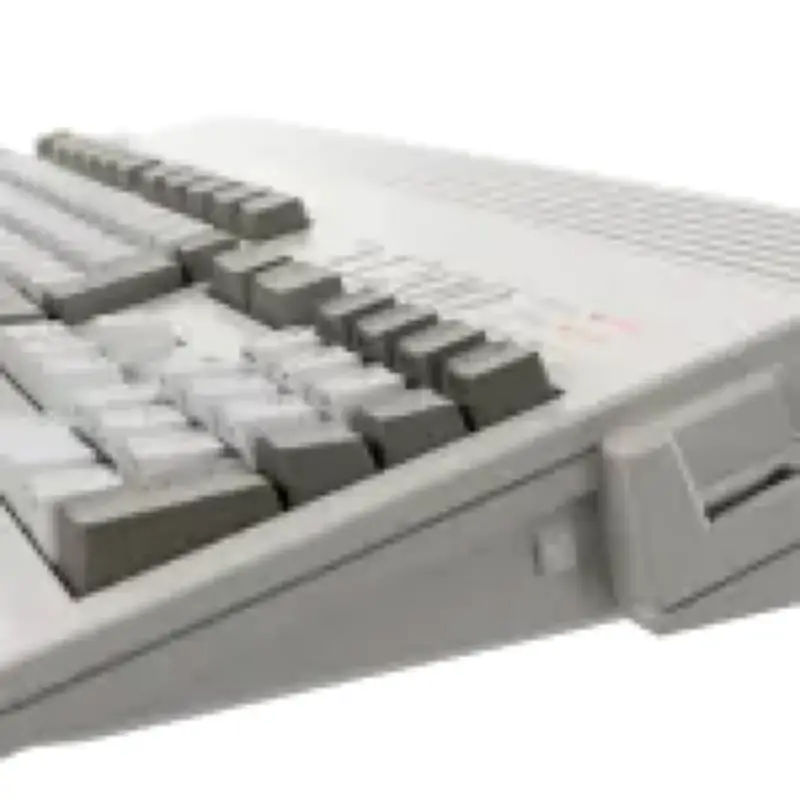
The Commodore Amiga was discovered at a friend's house, where games like Wacky Races and Rainbow Islands were being played. The Amiga also offered Amiga OS, which was a good alternative to Microsoft's Windows, and hosted popular classics such as Alien Breed and Zool.
Although the reader never owned an Amiga, seeing it in action made it an all-time favourite. The machine shared the same Motorola CPU family as the Mega Drive and some of the same games, which was an interesting fact and a great reason to own one at the time.
These three computer systems also inspired the reader to learn IT, improving their understanding of tech and gaming. This inspiration led to enjoying thousands of games across many console formats and PC over the years.