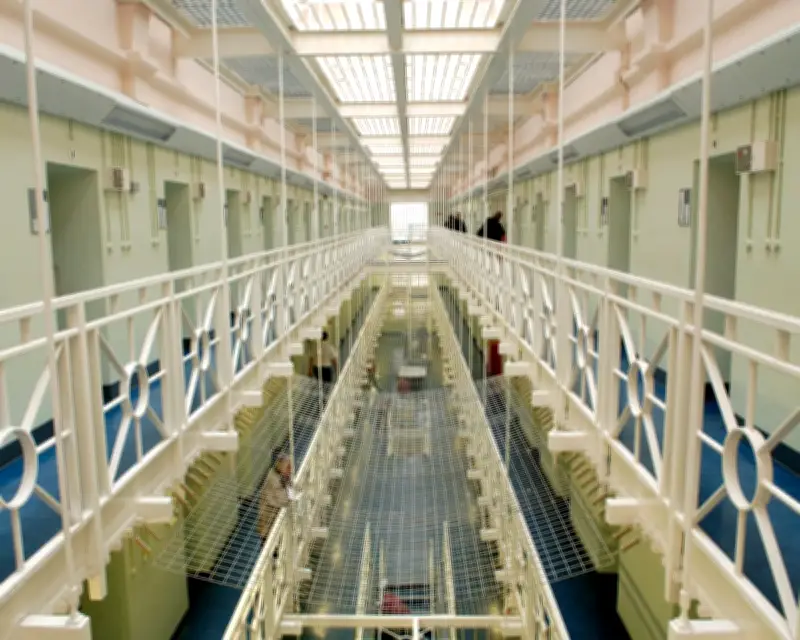
Charlie Taylor, HM inspector of prisons for England and Wales, has issued a withering final annual report stating that "brutal" cuts to prison education and training by Labour ministers are leading to an increase in drug use, self-harm, and violence. Taylor, who steps down in the autumn after six years, also warned authorities to keep a "close eye" on the impending release of thousands of prisoners later this year.
Spending Cuts and Their Impact
Some prisons have cut frontline spending on education by up to 50%, despite promises from Keir Starmer's general election manifesto to improve "access to learning." Taylor noted that long lock-up times and poor regimes have barely improved since he began his role during the pandemic. "During my time as chief inspector of prisons, I have had the privilege of seeing what is possible under the leadership of some outstanding governors. Sadly, this year a lack of regular, purposeful activity for prisoners has been a key factor in a concerning rise in drug use and violence, as well as continued high rates of self-harm," he said.
Cost to Taxpayers
Taylor emphasized the financial burden, stating, "At a cost of £59,000 a year for each prison place, the taxpayer has the right to expect more for their money." He reported that in one jail, the number of teachers dropped from 22 to nine, reflecting real cuts to provision. He added that many prisoners lack basic literacy and numeracy skills needed for successful reintegration, and conditions have worsened since the pandemic.
Public Risk from Prisoner Release
Taylor expressed concern about the public being at increased risk when thousands of short-term prisoners are released under the Sentencing Act. "Public protection arrangements are not as good as we would want to see. Liaison between services within the prison and within the community are not as good as we want to see," he said. He noted that many prisoners will be released from September to November, and the impact on reoffending rates and public risk will be closely monitored.
Drug Access and Violence
In inspection reports published between April 2025 and March 2026, 41% of men and 38% of women reported easy access to drugs in their jail. Crime gangs use drones to deliver Allen keys and super-strength glue, enabling prisoners to remove and replace windows to receive larger drug packages. Violence increased in two-thirds of men's prisons inspected, and serious assaults rose in 40%.
Mental Health Delays
The annual report highlighted "appalling" delays in transferring seriously mentally unwell patients to secure hospitals. One patient at HMP Swaleside waited 711 days for transfer.
Reactions
Enver Solomon, chief executive of the social justice charity Nacro, said: "This report should be a wake-up call. Too many prisons have become places where people are locked in their cells for hours on end while organised crime gangs use drones to flood prisons with drugs, fuelling violence and fear. This isn't an environment where rehabilitation can succeed."
Prisons minister Lord Timpson acknowledged the "serious challenges" but noted that 76% of recent prison inspections found improvement. He stated: "Two years ago, the prison system was on the verge of collapse. Today, we've stabilised it, building thousands of prison places, reforming sentencing and investing heavily in security so prisons cut crime and create fewer victims. There is much more to do, which is why we've also asked former Conservative home secretary Amber Rudd to lead an independent review."