Prison Drug Crisis Deepens as Drones Supply Inmates, Inspector Warns
The widespread availability of illegal drugs within prisons across England and Wales represents a profound failure of the justice system, according to Chief Inspector Charlie Taylor. In his latest annual report, Taylor highlighted that 39% of prisoners surveyed in 2024/25 found it easy to obtain drugs, while 19% of female inmates developed drug problems while incarcerated. Random drug tests consistently showed positive results exceeding 30%, underscoring a systemic crisis.
Organised Crime Operates with Impunity
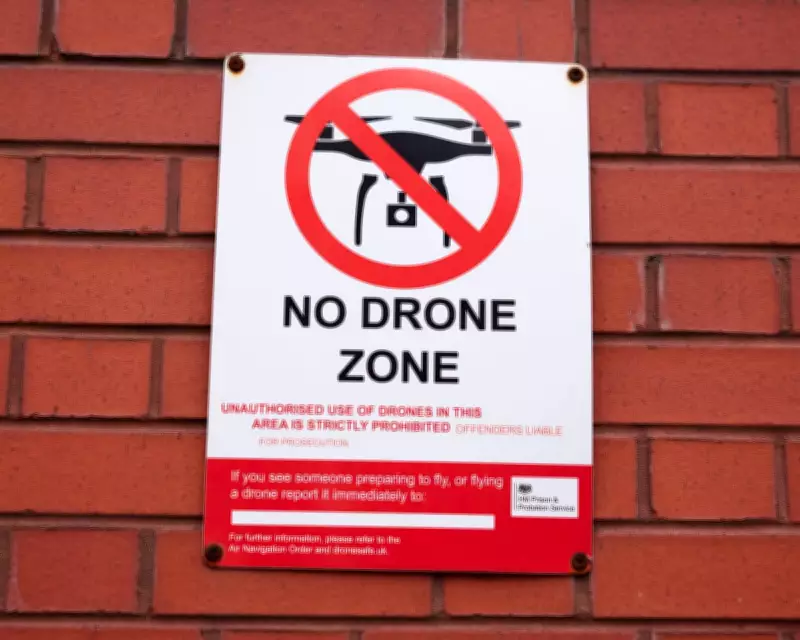
Taylor expressed significant frustration over the government's sluggish response to the threat posed by drug dealers using drones for deliveries. Organised crime groups are operating with near impunity in multiple jails, undermining rehabilitation efforts and perpetuating cycles of addiction and debt. The inspector emphasised that a Ministry of Justice incapable of preventing law-breaking within its own institutions is failing disastrously.
Recent inspections, including one at Manchester prison, reveal a lack of progress. More than fifteen months after an urgent notification highlighted a "very poor regime," drug test results remained unchanged, and criminal gangs continued their operations unchecked. This stagnation points to deeper managerial failures within the Prison Service.

Government Measures Fall Short
While ministers have committed £40 million to prison security, including £10 million for anti-drone measures like nets and signal blockers, these efforts appear insufficient. Taylor criticised the government for rejecting a key recommendation from the justice select committee to segregate influential individuals from the general prison population. He argued that the Prison Service prioritises "plodding managerialism" over decisive, hands-on leadership.
The use of drones constitutes a national security threat that demands immediate action. Delays in basic maintenance, such as replacing windows, further exacerbate security vulnerabilities. Taylor's warnings come as he enters his final six months in office, with watchdogs often becoming more vocal towards the end of their terms.
Broader Context of Prison Neglect
Drugs in prisons are linked to increased self-harm, debt, and violence against staff. A 2024 inspection of Wandsworth prison recorded a significant rise in assaults and "ubiquitous" cannabis use. However, focusing solely on drugs risks overshadowing other critical issues.
Ill-advised cuts to education budgets and chronic staffing shortages have left many prisoners without access to purposeful activities. Separation from families and idle time create environments where desperation for distraction thrives. Successful anti-drug initiatives have relied on peer and staff support, highlighting the need for a more humane approach to prison management.
A robust security strategy must be paired with serious efforts to improve the quality of prison life. Without addressing these underlying problems, any measures against drugs will likely prove inadequate. The credibility and purpose of the entire prison system hang in the balance as ministers face mounting pressure to act.