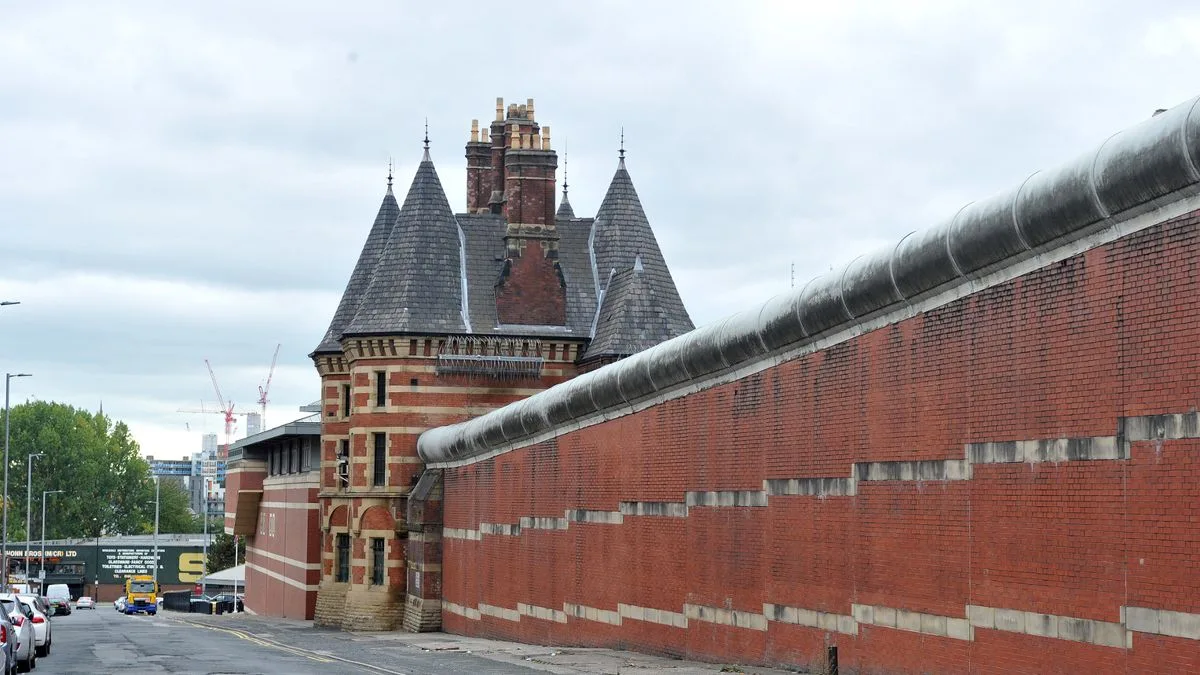
Prisoners at HMP Manchester, also known as Strangeways, and other UK prisons face harsher punishments for posting on social media under the proposed Prison Media Bill. The legislation aims to close loopholes that currently allow inmates to evade punishment for uploading videos, photos, and audio recordings from behind bars.
Under existing UK law, prisoners are prohibited from possessing unauthorised mobile phones. However, authorities have struggled to prevent contraband from entering prisons. The new bill will introduce 'airport-style' scanners and strengthen bans on drone deliveries to curb smuggling.
Social media platforms like TikTok, YouTube, and Instagram have seen an increase in content purportedly recorded by prisoners, including rap music and daily prison life. The bill will make it illegal for third parties outside prisons to upload such content, extending the ban to all unauthorised recordings.
In August 2023, Connor Chapman, convicted for the murder of Elle Edwards, was found to have posed for selfies in prison that were later uploaded online. Last year, the prison service identified over 890 pieces of illegal content on social media, which could re-traumatise victims or intimidate staff.
Prisons Minister Edward Argar stated: 'Tackling harmful content filmed behind bars is critical to our plan to protect the public and ensure the safety and security of our prisons.' The bill will also compel social media companies to delete any content recorded illegally inside prisons.
Katherine Fletcher MP, who introduced the Private Members' Bill, said: 'Crucially, for the first time, this Bill means it will not matter whether the uploading of unauthorised images happened inside or outside the prison – an offence would have been committed either way.' The bill is supported by the government and aims to strengthen the Prison Act 1952.