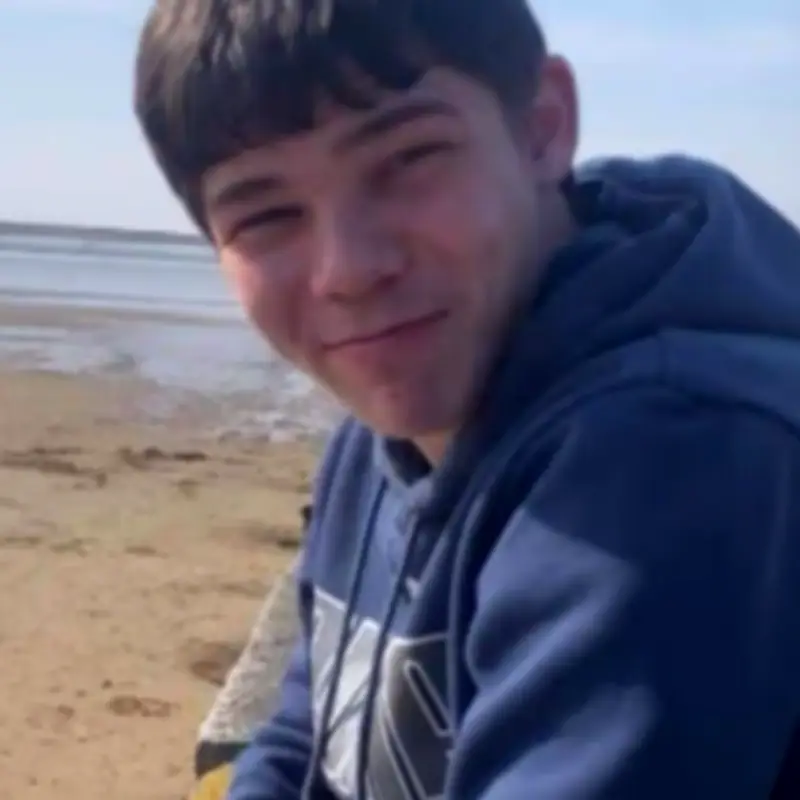
Vulnerable young inmate Georgie Smith, 18, used materials in his cell to strangle himself while prison officials "sat watching TV," a court has heard. Officials at HMP Bristol failed to answer a distress alarm while Smith activated his cell bell at 4:11 a.m. on January 2, 2024.
Two junior-level operational support grade workers, including one responsible for monitoring Smith's wing, were watching television as the alarm went off in their office. The OSG responsible for the 18-year-old's wing did not attend his cell until 15 minutes after he had first sounded the distress alarm, an inquest at Avon Coroner’s Court heard. When the prison official reached the cell at 4:26 a.m., he found Smith unconscious. Smith, who was on remand, died of his injuries in Southmead Hospital on January 5.
Jury Verdict of Neglect
On Friday, a jury determined that the failure to answer the cell bell on time was a gross failure on the part of prison staff which contributed to the young man's death, recording an official verdict of death by misadventure contributed to by neglect, according to Bristol Live. Smith's family, who sat through 10 days of evidence at the inquest, broke down into tears when the verdict was read out in court.

"While we are relieved that the conclusion puts on public record the failings that we as a family suspected, it is devastating to know that Georgie’s death was entirely preventable," his family said in a statement. "Much of the evidence heard during the inquest has been deeply painful, particularly hearing prison officers acknowledge confusion about what their responsibilities should have been in the event of an emergency."
Georgie had his whole future ahead of him. Like any other 18-year-old, he had hopes, dreams and ambitions. He wanted to turn his life around, find work as a landscaper, and, more than anything, be close to his family and girlfriend.
Delayed Response and Failures
When the OSG eventually reached Smith, he raised a ‘code blue’ medical alarm to summon healthcare workers but did not attempt CPR himself. The healthcare team on duty, a nurse and a pharmacy technician, were locked in another wing and were delayed reaching the scene because of confusion over which prison officer should meet them. At 4:28 a.m., a more senior officer arrived and attempted CPR, about 17 minutes after Smith activated his cell bell, which he had been told to use in a mental health emergency. It wasn’t until 4:32 a.m. that the nurse arrived and tried to revive Smith using a defibrillator. At 4:53 a.m., a paramedic managed to restart Smith’s heart, but he died days later.
The OSG in charge of monitoring Smith's wing was later fired for gross misconduct. Smith was imprisoned in September 2023, accused of offences including robbery and aggravated vehicle taking. At the time, he was grieving the death of his newborn baby months earlier and struggling with his mental health.
Systemic Failings
The jury found that prior to Smith's death there was inadequate communication and information sharing between prison staff and healthcare workers and inconsistencies in shift handovers, contributed to by a lack of awareness as to his risk. HMP Bristol was responsible for his day-to-day custodial care, including responding to concerns about self-harm and managing his risk. Oxleas Healthcare NHS Foundation Trust provided the healthcare and mental health care within the prison and was involved in the clinical assessment and management of Smith's mental health needs.
Miryam Vermaat of RWK Goodman, representing the family, said: “Georgie was a vulnerable young man, and this was well known to those responsible for his care whilst at HMP Bristol. Despite the fact he was clearly deteriorating, Georgie did not receive the basic support that would likely have altered the course of events.”

Previous Self-Harm and Missed Opportunities
Smith also tried to strangle himself on January 1, a day prior to the attempt that cost him his life, but he was not placed under constant supervision and materials that could be used for self-harm were not removed from his cell. He had also self-harmed in the months preceding his death, both before and after entering prison, and there were periods in November 2023 when he was regularly kept under observation due to safeguarding concerns. He was a user of cocaine and cannabis and turned to spice during his time in jail. It was impossible to ascertain whether he was under the influence of spice at the time of his death.
Smith engaged with therapy during his time in prison. Although healthcare workers noted some improvements in his mental health by December 2023, he said he was missing his family particularly over Christmas. The January 1 self-harm occurred after other inmates taunted him about his girlfriend.
Prison Service Response
A Prison Service spokesperson said improvements had been made at HMP Bristol since Smith's death. "Our thoughts remain with the family and friends of Georgie Smith. Since this incident, we have strengthened training and support for our staff on duty at night, and introduced random CCTV checks to ensure mental health supervision is taking place. We have also increased checks on timeliness of response to cell bells. The coroner has recognised the positive impact of these changes and had no further recommendations to make."
Despite his struggles, Smith was popular with workers at the prison, with one describing him as “cheeky, funny and smiling” and another saying he was “really likeable.” He had been given a job as a cleaner while in HMP Bristol.
Findings of neglect contributing to someone's death are relatively rare at inquest hearings. Smith's family said the evidence presented before the court had only compounded their grief. "Georgie and his family placed their trust in HMP Bristol to care for him, to do their jobs properly, and above all to keep him safe while he was struggling with his mental health. At his most vulnerable, that trust was badly broken. Listening to the many failings explored during the inquest has only deepened our grief and sense of loss. We are heartbroken that we will never see Georgie fulfil the hopes and plans he had for his life. Our lives have been changed forever by his loss. Though his youngest nieces and nephew never got the chance to meet him, his story does not end here. We will talk about him forever."