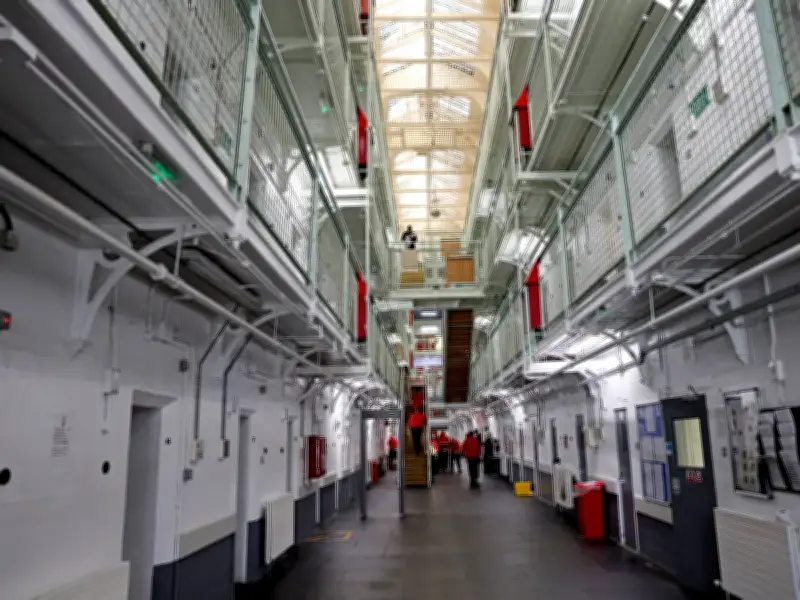
Around 4,500 prisoners will begin being released early in waves from October under a scheme that Andy Burnham has significantly reshaped since becoming Prime Minister six weeks ago. The changes exclude killers, rapists and child sex offenders, but major questions remain about what happens next.
Why the scheme was introduced
When Mr Burnham entered No10, thousands of prisoners - including rapists, killers and child sex offenders - were lined up for early release because of the capacity crisis facing the country. Keir Starmer had introduced a scheme that would see criminals serve just a third to a half of their sentences.
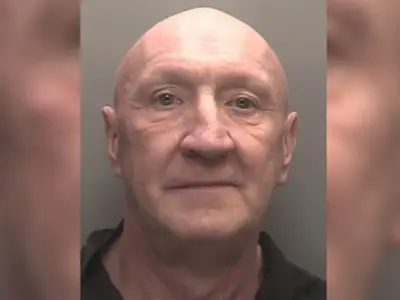
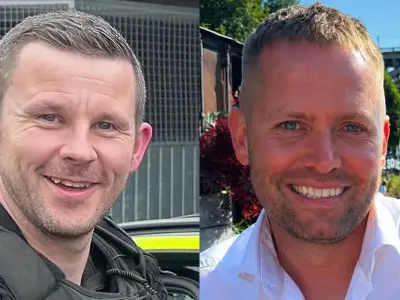
Victims were furious, and the public found it unpalatable that rapists and killers would be among those set free. The inclusion of Jessie Cole and Albert Bowers - both in prison for manslaughter over the death of PC Andrew Harper - sparked an enormous backlash.

Years of neglect under the Tories meant Labour came to power facing imminent catastrophe. Following the Southport attack in July 2024, there were fewer than 100 prison spaces available in England and Wales. Mr Starmer said he faced the prospect of having nowhere to send violent criminals - putting the entire justice system at risk.
In their 14 years in power the Tories added just 482 places to the prison estate after shutting 7,500 cells and closing 23 jails. Longer sentences, large numbers of prison recalls and a rising population have all added to the pressures. Without sentencing reform, the Ministry of Justice estimates the prison population could overtake capacity by November this year.
What Starmer's government did
One early step was to announce a prison building programme, with an extra 14,000 spaces promised by 2031. But while that would help in the long term, it could not be done fast enough to deal with the immediate crisis, so the government drew up plans for a prisoner release scheme.
Legislation passed under Mr Starmer meant that from October 1, prisoners convicted of less serious offences - who currently spend 40% or 50% of their sentence behind bars - will be released after a third. More serious offenders who would otherwise do two thirds of their sentence will leave after half.
There were some exemptions - murderers and terrorists were never in line to be freed early, for example. But Mr Burnham came to power amid powerful calls for wider carve-outs.
What changed under Andy Burnham
Days into his premiership, Mr Burnham ordered his new Justice Secretary, Alex Norris, to undertake a review. As a result the government confirmed at the start of August that those convicted of rape, serious child sexual offences and grooming would be excluded.
But those guilty of unlawful killing were not in the carve-out - meaning two of PC Harper's killers remained set for release next year. More than a million people signed a petition calling for them to remain in prison, and over 50 police chiefs wrote to the PM voicing their outrage.
On Sunday the PM announced a breakthrough, saying that those serving sentences for unlawful killing would also be included. This included manslaughter, death by dangerous driving and causing or allowing the death of a child.
How many will be released and how space will be found
Victims Minister Alex Davies-Jones confirmed that the latest carve-outs meant around 4,500 prisoners would be in scope for early release. When the scheme was unveiled under Keir Starmer, that figure was around 6,000, so the impact is significant.
The government has said it will be looking at ways to free up more prison spaces. These include deporting foreign prisoners, with more than 10,000 currently in jails across England and Wales. Mr Burnham also said prisoners serving indefinite sentences for public protection (IPP) would also be looked at. Moving male prisoners into female prisons after women are released is also an option.
One of the options the government is looking at is deporting foreign criminals when they are sentenced. In September last year there were 10,737 foreign nationals behind bars - around 12% of the prison population. Ms Davies-Jones said on Monday that the target is to remove all of them, but this will depend on home countries wanting to take criminals back, which will take some serious diplomacy.

Where that hurdle is overcome, it is unclear whether criminals would be made to serve time in their homelands. Asked if prisoners will be sent to foreign jails, Ms Davies-Jones said: "That would be for the determination of their country of origin."
Successive governments have long faced calls to deal with controversial indefinite sentences. These were handed out to people considered dangerous but whose offence did not merit a life sentence. IPP sentences were abolished in 2012 - but this was not applied to those serving them.
By the end of June there were 856 people in prison - with eight out of 10 of them having served at least 10 years above the minimum term they were originally jailed for. The United Nations has criticised the UK government, and human rights groups have voiced their outrage. But any release scheme would have to be handled very carefully. Earlier this year justice minister Jake Richards said including IPP prisoners "would result in prisoners being released whom the independent Parole Board has determined are too dangerous".
Another option being explored is releasing female prisoners and using women's jails for men. This could see around 2,000 in jail for non-violent crimes released. There are currently 12 prisons that exclusively house women, so freeing one up could make it easier to find spaces for newly-imprisoned men. One advocate for this was former prisons minister Lord Timpson. But critics warn that reducing the number of female jails would mean inmates would be held further from their families, and it could be harder to get them to court appearances.
Will prisoners be properly monitored?
The government has insisted that protections will be in place to prevent criminals being a danger to their victims. There will be a presumption of GPS tracking for all those freed as part of the scheme. Victims will have an input into licensing conditions, with new restriction zones created - a world first.
Failure to comply will result in released prisoners returning to jail. They also face bans from places and events including pubs, football matches and concerts, the government said. Ms Davies-Jones said: "We're ensuring that victims have the opportunity to feed into licensing conditions. Because release does not mean freedom."