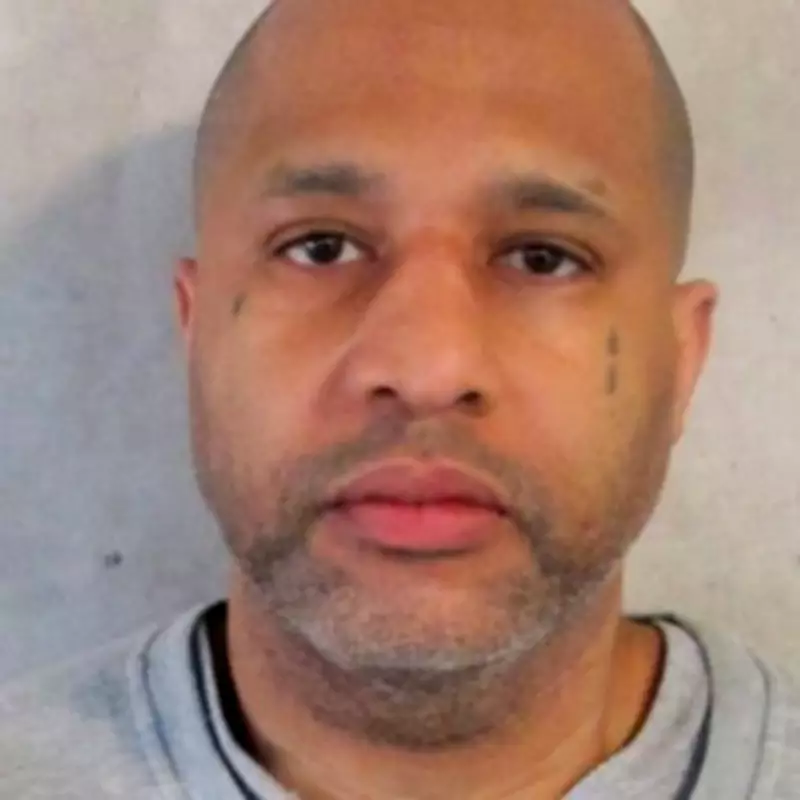
A man described as a "ruthless and violent killer" has been executed by the US government, becoming the second person put to death this year. Kendrick Simpson, 45, died by lethal injection at the Oklahoma State Penitentiary, two decades after being convicted for the 2006 murders of two teenagers.
Final Message to Victims' Families
Before his execution, Simpson delivered an emotional final message to the parents of his victims. He apologised during a clemency hearing last month, stating clearly: "I apologise for murdering your sons. I don't make any excuses. I don't blame others, and they didn't deserve what happened to them."
The Crimes That Led to Death Row
Simpson was convicted for the killings of 19-year-old Anthony Jones and 20-year-old Glen Palmer. The two young men were fatally shot following a dispute at an Oklahoma City club in January 2006. Prosecutors detailed how Simpson had placed an assault rifle in the trunk of a vehicle that he and his friends drove to the club.

After an altercation at the club between Simpson and Palmer, prosecutors say Simpson and his friends followed Palmer and Jones from a nearby gas station. Simpson then pointed the gun out the window and fired approximately 20 rounds into their car. Both victims were shot multiple times in what authorities described as a drive-by shooting.
Family Reactions and Clemency Denial
Despite Simpson's apology, the state's five-member Pardon and Parole Board narrowly voted to deny him clemency. Some family members of the victims supported this decision, including Crystal Allison, the sister of Glen Palmer.
In a letter to the clemency panel, Allison wrote: "Do I believe this man should live and be able to breathe and take out the rest of his life behind a cell? He made the choice for him so I stand here today to make the choice for my family. Yes, we would like to see him executed for what he did - he executed my brother."
Legal Appeals and Final Hours
Simpson's attorneys had argued that he suffered from post-traumatic stress disorder caused by childhood trauma. In their clemency application, they stated: "Kendrick is a man worthy of your mercy and compassion. The death penalty is supposed to be reserved for the worst of the worst offenses and offenders. Kendrick and his case represent neither."
The attorneys noted that Simpson had fled to Oklahoma City from New Orleans after Hurricane Katrina in 2005, just months before the killings. However, on Wednesday afternoon, the US Supreme Court rejected a late appeal to block the execution without comment.
Official Response to the Execution
Oklahoma Attorney General Gentner Drummond commended the board for denying Simpson clemency, calling him a "ruthless and violent killer who hunted his victims without remorse." This characterization echoed the sentiments of victims' family members who believed justice was served through the execution.
The case highlights the complex emotions surrounding capital punishment, with Simpson's final apology contrasting with the families' desire for retribution. The execution proceeded despite last-minute legal challenges and emotional appeals from both sides of the case.