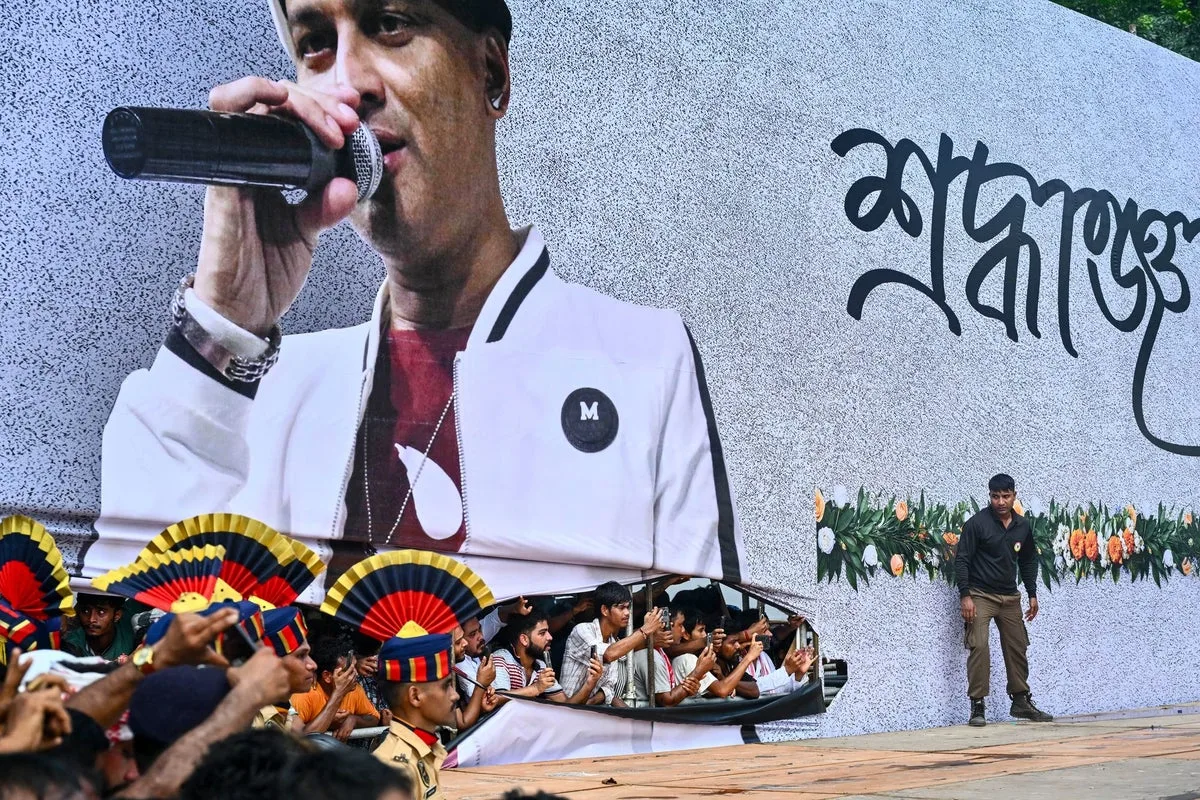
Popular Assamese singer and composer Zubeen Garg drowned in Singapore in September last year after entering the sea without a life jacket while 'severely intoxicated', a coroner's court has heard.
Garg, 52, was in Singapore for a scheduled performance at the North East India Festival when he joined a private yacht outing near Lazarus Island on 19 September. The court heard that he initially wore a life jacket while swimming but later removed it, and refused to wear a second one despite repeated reminders. Assistant Superintendent of Police David Lim said: 'The deceased then decided to resume swimming, and a smaller life jacket was placed over his shoulders but he refused to wear it. Suddenly, the deceased became motionless and was floating face down.'
Witnesses on board the yacht saw him turn back before he became motionless and floated face down in the water. He was pulled back onto the vessel, where cardiopulmonary resuscitation was administered before he was rushed to hospital and pronounced dead later that day. A post-mortem examination determined the cause of death to be drowning.

Toxicology findings revealed a blood alcohol concentration of 333mg per 100ml of blood – more than four times Singapore's legal driving limit – which experts said would have significantly impaired his coordination and reflexes. The court also heard that Garg had a medical history of hypertension and epilepsy, though it remains unclear whether he had taken his epilepsy medication on the day of the incident. A forensic pathologist testified that there were no physical indicators, such as a bitten tongue, to confirm whether he had suffered a seizure before drowning.
Investigators stressed that no foul play is suspected, with witnesses saying Garg did not display suicidal tendencies and had entered the water voluntarily. His uncle told the court the family was struggling to understand the sequence of events, questioning who organised the yacht trip, who accompanied Garg, and whether there were delays in providing medical assistance. State coroner Adam Nakhoda said the purpose of the inquiry was to establish the cause and circumstances of death, not to assign criminal blame. The hearing is set to continue on 3 and 4 February.