In Focus: The Taliban’s new law isn’t about child marriage, it’s child rape. As reports reveal families in Afghanistan are selling their daughters so they can afford to eat, a new law has been passed that now makes the rape of girls as young as nine legal. So let’s call this what it is, says campaigner Shabnam Nasimi.
Last week, on 14 May, the Taliban instructed courts in Afghanistan that the silence of a “virgin girl” is consent to marriage. A boy’s silence is not consent. A previously-married woman’s silence is not consent. Only girls.
Picture what this requires. A child too small, too frightened, or too well-trained in obedience to say no and a state that has decided her silence will do. This is not child marriage. It is the codification of rape; gentler phrasing is just part of how the Taliban gets away with their crimes. Why do we still call it marriage when a girl cannot say “yes” and her not saying no has now been written into law as her “yes”? Marriage implies two people choosing. Strip the euphemism and what is left is an adult man raping a child.

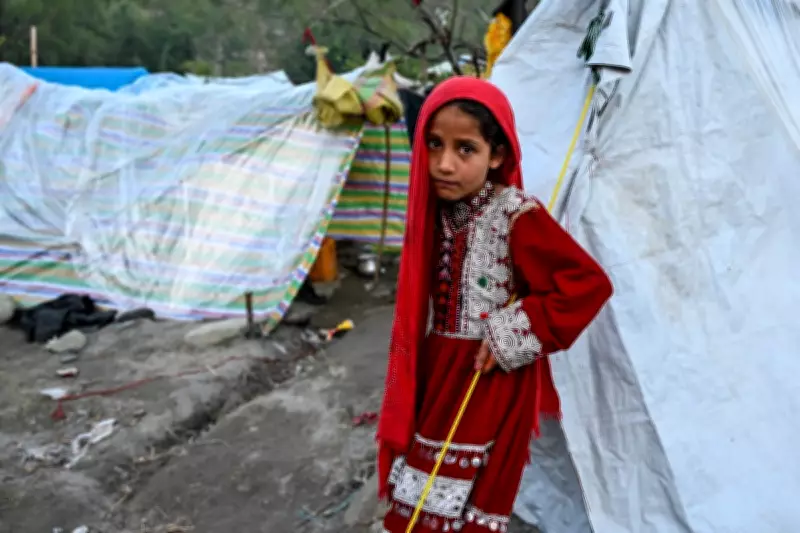
In July last year, a six-year-old in southern Afghanistan was sold by her father to an adult man. We do not know her name. We know the Taliban’s only intervention was to tell the husband to wait until she turned nine before consummating the marriage. There were no proceedings, no records, and no rescue attempt. Somewhere today, she is older, and her childhood is precisely what the new law is designed to formalise.
This is not rare. In the settlement of Shahrak-e-Sabz, Too Young to Wed found 40 per cent of the families they interviewed were selling daughters to eat. In Herat alone, 630 suicide attempts were recorded in six months in 2022; forced marriage is the leading cause among girls. One or two Afghan women take their lives every day. The Taliban define marriageable age by puberty, which in Afghan girls can come at nine, sometimes earlier. When their decree says a girl may seek annulment “after puberty”, it means: you can marry her now; she may petition the court that gave her away the day her body first bleeds. The decree, the Principles of Separation Between Spouses, gives fathers and grandfathers sole authority to hand her over. The judge who could free her was appointed by the regime that arranged her sale. Every door is closed.
Girls are being raped. Not metaphorically. Not as legal shorthand. The day their bodies bleed for the first time, they will be made pregnant by a man four, five, or six times their age, and their small bodies tell the rest. Thirty-two per cent of deaths for Afghan girls aged 15 to 19 are pregnancy-related and Afghanistan's maternal mortality rate is among the world's highest, 521 deaths per 100,000 live births. The United Nations Population Fund (UNFPA) estimates 3,000 live with obstetric fistula, a tear caused by labour that a child’s body cannot bear; a quarter were married before 16.
This is the logical end of the five years that the world has agreed to absorb when the Taliban regained power. Girls are expelled from school after sixth grade. Women are erased from universities, parks, gyms, salons and NGOs. A penal code that protects a husband’s “right” to beat his wife. Each edict produced a UN statement and then silence. Child marriage in Afghanistan had fallen from 46 per cent in 1998 to 29 per cent by 2023. The decree of 14 May exists to reverse that, line by line.
I think of the story of Zarmina. In 1999, in Kabul's Olympic Stadium, before 30,000 spectators, the Taliban executed a 35-year-old mother of seven, accused of killing the husband who beat her and her daughters for years. She had been jailed without trial, with her infant twins. Her in-laws sent forgiveness minutes before the shot; the Taliban said it was too late, the execution had been announced. Revolutionary Association of the Women of Afghanistan (RAWA) smuggled the footage out under a burqa, and a generation saw it and was told: this will not happen again. The same men have come back with the same laws. It is happening again.

And the world has decided it does not count. In July 2025, Russia became the first country to recognise the Taliban; China, the UAE, Uzbekistan, Turkey and Pakistan have all upgraded relations. The UN keeps deferring Afghanistan’s seat. The closest thing to consequence has been an ICC arrest warrant issued the same month Russia rolled out the red carpet, for crimes against humanity of gender-based persecution. The UK’s special envoy for Afghanistan, Richard Lindsay, just met Taliban leaders in Doha a few days ago to discuss women’s rights, with no woman in the room, while back in Afghanistan, another decree like this one is signed.
Compare the moments the world has chosen to act. Bosnia: mass rape prosecuted at The Hague. The Yazidis under Isis: a named genocide, airstrikes, and rescue corridors. Apartheid South Africa: sanctions, divestment, a squeeze that ended a regime. Afghan women got communiqués.
To those who reply that Afghans must rise: rise with what? The Northern Alliance, the mujahideen, the Ukrainians, the Kurds, every successful resistance had foreign backing. Afghan women are being told to liberate themselves on an empty stomach, under a banking blockade, with no arms, no funding, no safe borders, while their daughters are being sold for the family’s next meal.
Shabnam Nasimi is co-founder of the Friends of Afghan Women Network (FAWN) which supports Afghan women and girls. Rape Crisis offers support for those affected by rape and sexual abuse. You can call them on 0808 802 9999 in England and Wales, 0808 801 0302 in Scotland, and 0800 0246 991 in Northern Ireland, or visit their website at www.rapecrisis.org.uk. If you are in the US, you can call Rainn on 800-656-HOPE (4673).