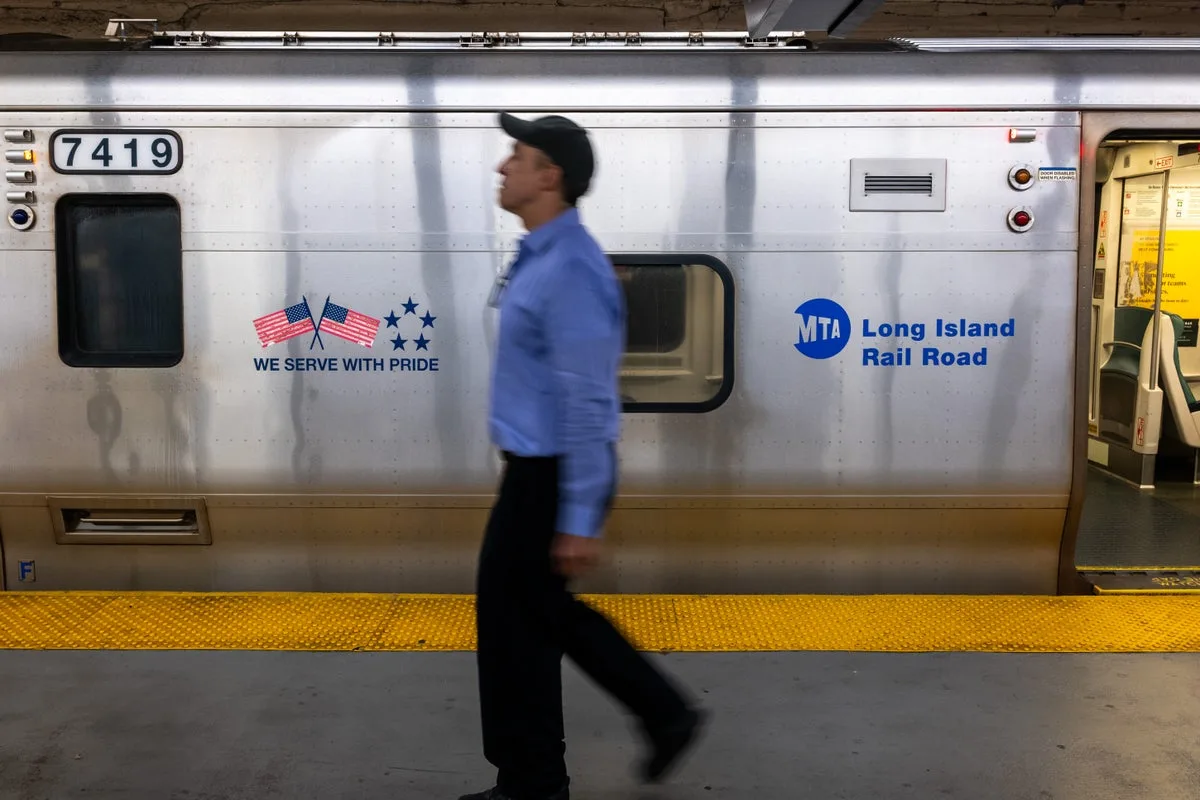
The Long Island Railroad (LIRR), North America's busiest commuter rail system, faces a potential strike this weekend as contract negotiations with five labour unions remain unresolved. The deadline expires at 12:01 a.m. Saturday, after which unions are legally permitted to strike or the agency could lock out workers.
The LIRR transports approximately 250,000 passengers each weekday. A strike would disrupt daily commutes for hundreds of thousands of New York City residents who rely on the service. The Metropolitan Transportation Authority (MTA), which oversees the LIRR, has announced plans for free but limited shuttle buses during rush hours, connecting LIRR stations to subway stops in Queens.
Governor Kathy Hochul has advised riders to work from home if possible, emphasising that shuttles are primarily for essential workers. She previously criticised the unions for what she termed 'greedy asks' that could 'destabilise the local economy'.

Negotiations have shown signs of progress this week. The MTA offered a 9.5 percent wage increase over three years, while unions sought a 16 percent raise over four years. The MTA's chief negotiator, Gary Dellaverson, stated that a new offer would amount to a 4.5 percent raise in the fourth year, delivered as lump sum payments. 'The difference between those two positions is not unbridgeable,' he said.
Kevin Sexton, a spokesperson for the unions, acknowledged 'positive movement' but dismissed the idea of an imminent deal as 'far-fetched'. He said, 'We would like to reach an agreement that reflects the rising cost of living. Anything short of that amounts to a cut in real wages.' Talks were expected to continue and reconvene on Friday if necessary.
Commuters are preparing for disruption. Susanne Alberto, a personal trainer, has arranged virtual sessions with clients. Rob Udle, an electrician, plans to use vacation days to avoid the 'nightmare' of navigating Manhattan without the LIRR. He sympathised with the unions' concerns but disagreed with their tactics, saying, 'They shouldn't hold everybody hostage to do it.'