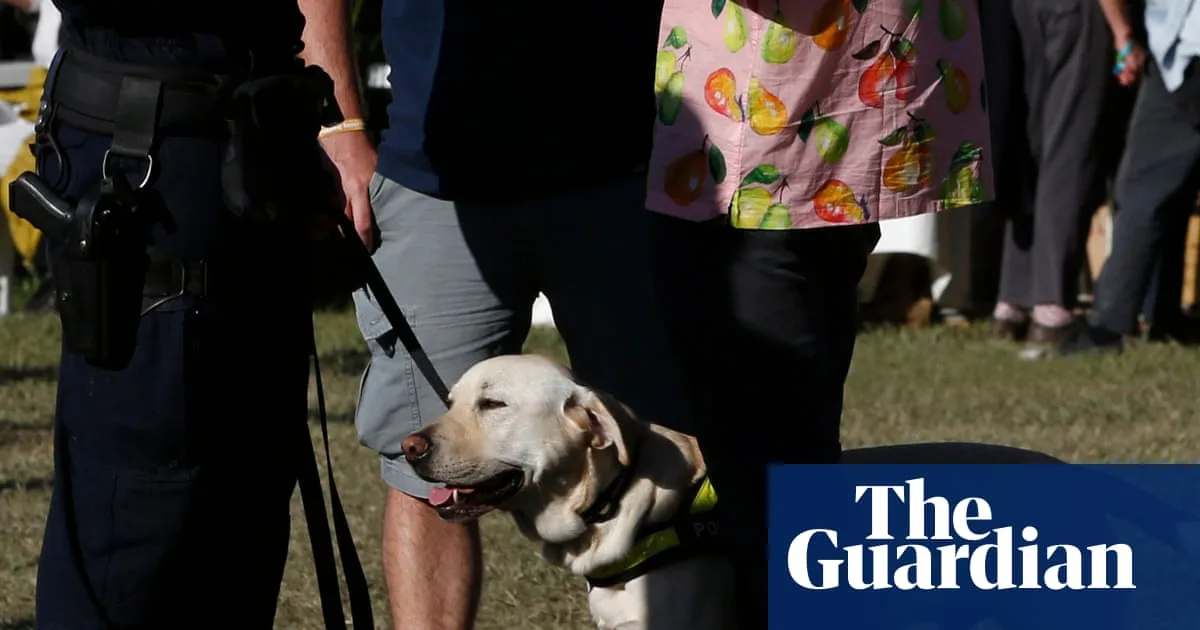
The New South Wales government is seeking leave to appeal a class action ruling that found police unlawfully strip-searched a woman at a music festival, with the state arguing officers should have the power to use reasonable force during such searches.
Raya Meredith was awarded $93,000 in damages, including $20,000 in aggravated damages, after being strip-searched at the Splendour in the Grass festival in Byron Bay in 2018. The search, conducted while she was postpartum and 27, involved a female officer ordering her to remove all clothing, bend over, bare her bottom, drop her breasts, and remove her tampon. A male officer entered during the search. No drugs were found.
During the appeal hearing, Justice Gleeson SC noted that Meredith reasonably believed until just before the trial that the officers would call her a liar, despite them having submitted statements 12 months earlier stating they had no recollection of the incident. The state withdrew its 22 witnesses days before the hearing, reducing it from 20 days to five.

The state's lawyer, Perry Herzfeld SC, argued that aggravated damages should not be awarded for conduct in a case, and that the threshold for such damages was not met. He also contended that compensatory damages for false imprisonment and assault were double-counted.
A key point of dispute is whether police can use force during strip-searches. The state argues that section 230 of the Law Enforcement Powers and Responsibilities Act (Lepra) permits reasonable force to aid a visual search. However, the class action lawyers maintain that force cannot override the prohibition on examining the body by touch.
The appeal also challenges the finding that police can only request a person move their body parts during a strip-search and lack express power to use force if refused. The legislation requires strip-searches to be necessary due to seriousness and urgency, and prohibits interrogation during the search or examination of body cavities.