Guidance from the Met Police sets out what residents can do when a vehicle parks outside their house, blocks a driveway, or is abandoned on the street. The appropriate action depends on the nature of the problem, with some matters falling outside police jurisdiction.
Vehicle parked on your driveway
When a vehicle is left on someone else's driveway without consent, this is trespassing and is treated as a civil matter rather than a criminal one. Police forces are typically unable to intervene or have the vehicle removed on behalf of the property owner, leaving residents to address the situation through civil channels.
If an unfamiliar car is blocking a drive, the police suggest beginning with a polite conversation with the driver, as the situation may stem from a genuine misunderstanding. If the same person or vehicle continues to park on the property after being asked to stop, residents are advised to seek legal advice from Citizens Advice or a solicitor to examine their options.
When a vehicle blocks your driveway
If a vehicle is obstructing a driveway and preventing entry, this also falls outside police jurisdiction. Again, the advice is to speak directly with the motorist, as it may be an innocent mistake. The situation differs if a parked vehicle is blocking a car inside a driveway and stopping it from leaving.
Under those circumstances, police may be able to intervene and assist, with householders advised to log the matter online as antisocial behaviour.
Parking on public roads
On public roads, any driver has the legal entitlement to park in a space, even if it sits immediately outside a home. While householders have no legal claim to the road space beyond their property, police have recognised how infuriating this can be in busy residential neighbourhoods.
Specific parking violations do allow police involvement, especially when a vehicle creates a safety hazard. Complaints can be lodged directly with police online if a car is positioned on zig-zag lines, parked in a dangerous manner, or obstructing access for emergency vehicles.
Abandoned vehicles and council matters
For most other parking matters, responsibility lies with the local authority rather than the police. Residents should contact their local council if a vehicle is obstructing a dropped kerb, stationed on a pedestrian crossing, or taking up spaces designated for Blue Badge holders, residents or motorbikes without authorisation. This also includes cars positioned in cycle lanes, marked taxi bays, on red lines, or close to school entrances, bus stops and tram stops.
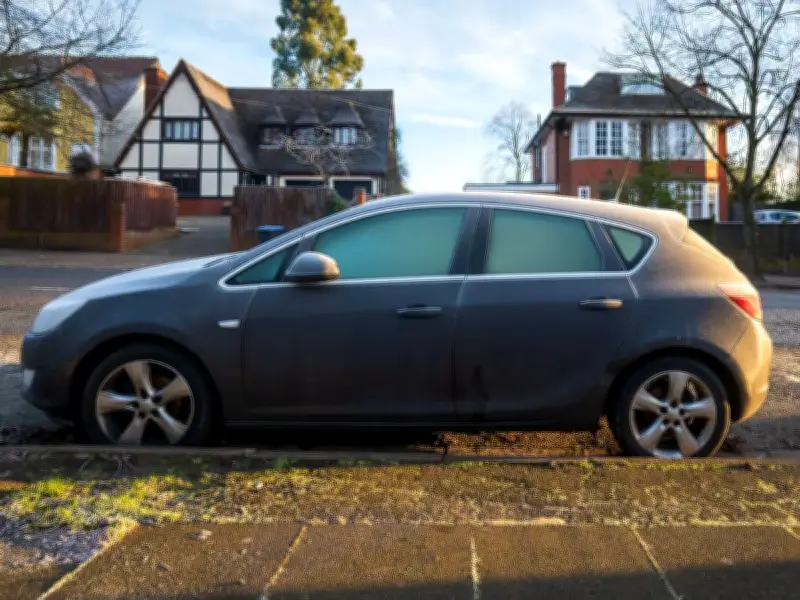
An abandoned vehicle is one left unattended and stationary for extended periods, becoming an eyesore and a hindrance for traffic and pedestrians. Warning signs include deflated tyres, smashed windows, missing number plates, extensive rust, accumulations of rubbish inside, or obvious signs of theft and collision damage. If the owner is known, the Met Police recommends a polite conversation in case they are unaware of the problem.
Residents are advised never to take matters into their own hands by making threats or trying to relocate the vehicle, as doing so could worsen the situation or result in legal difficulties. Instead, the abandoned car should be reported to the police as it qualifies as antisocial behaviour.