Merseyside Police has been increasingly using dispersal orders to tackle antisocial behaviour, with 16 orders in place across 21 areas in the build-up to Halloween, including so-called "Mischief Night." Many of these orders remained active through the Bonfire Night period.
The repeated use of dispersal orders in Merseyside has divided opinion. Some residents see the additional police powers as a solution to periods of intense antisocial behaviour, while others argue the measures fail to address root causes, risk unfairly targeting young people, and represent police overreach.
Police Defend Use of Dispersal Orders
Merseyside Police told the ECHO that fewer dispersal orders were issued during its targeted operation around Halloween and Bonfire Night this year. Chief Inspector Andrew Fielding, from Liverpool's neighbourhood policing, said: "There have been no policy changes in the use of dispersal orders which, as always, remain intelligence-led when there is a clear need to prevent or reduce antisocial behaviour, criminality or disorder and protect those communities affected."
Few communities have become more familiar with dispersal orders than Garston, where antisocial behaviour has been a persistent issue for residents in the area known locally as Garston-under-the-Bridge. The ECHO has reported on aggressive behaviour in the area for years, much of it carried out by young teenagers and children.
Garston Residents Report Mixed Results
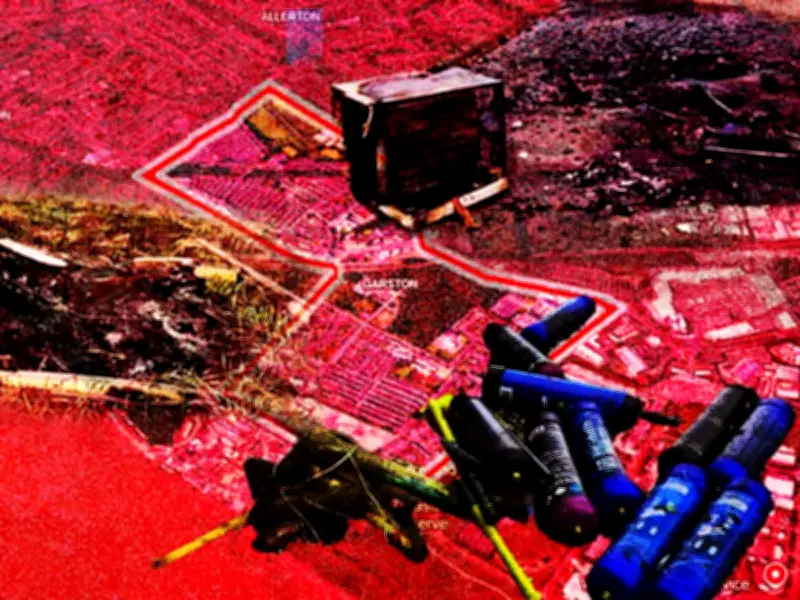
Described as "feral" by locals, youths in Garston have been seen starting fires, damaging property, dealing drugs, and terrorising the community. Recent incidents include youngsters shooting fireworks at people and dropping eggs onto passing cars under the bridge.
This year, numerous dispersal orders were issued in Garston in October, including the force's first ever 72-hour order just before the climax of "Mizzy Night" and Halloween. One local resident told the ECHO that the weeks leading up to Halloween and Bonfire Night were "absolutely awful" for antisocial behaviour.
She said: "We've had gangs of kids riding around on bikes with backpacks full of fireworks, aiming them at people and buildings - shooting them up roads where people are. One of these kids got searched by police and had two rockets down his trousers. They are completely feral."
However, the woman credited police actions with a calmer Bonfire Night than expected. She said: "We've now had dispersal notices in this area for a few weeks and they have started to have an effect. We think the orders and the arrests earlier this week made Bonfire Night itself quite calm. I can't fault the police for that."
Critics Question Long-Term Effectiveness
Another long-term resident of Garston-under-the-Bridge said the orders "don't get to grips with the real issue." He told the ECHO: "Social landlords house a lot of the people who carry out the bad behaviour, but they do nothing. Police arrest, release and sometimes get people into jail - but we get certain individuals who then celebrate the release with a 'street party', more bad behaviour and then nothing."
Dr Robert Hesketh, an academic at Liverpool John Moores University who specialises in youth and gang crime, told the ECHO dispersal orders "can be particularly useful in preventing disorderly conduct, fighting or intimidation." However, he said the tool focused on "displacement rather than resolution," adding that groups may simply move their activities to nearby areas outside designated zones.
Dr Hesketh also noted the orders can lead to "feelings of criminalisation or mistrust among young people and local communities, potentially hindering future cooperation with the police." He said: "You have to get the balance right since you can tar a lot of people who don't get involved with the same brush."
Everton Sees Improvements with Targeted Action
In Everton, a mum-of-three told the ECHO she was reluctant to let her children go to the shop or park alone because of "gangs of hoodies." She said: "These children are as young as 10 or 11 and they roam around with their faces covered. The last few weeks have been particularly bad. I don't know how they get their hands on fireworks but they fire them at each other or at cars."
Councillor Jane Corbett said the orders were put in place after children shot "rockets" at tower blocks wrapped in flammable cladding. She said the dispersal order, which led to two dozen notices and one arrest, was supported by the police, Merseyside Fire and Rescue Service, and Liverpool Council. "By getting the order back to back we got extra power to do a really focused piece of work," she said.
Merseyside Police reported a 10% reduction in antisocial behaviour and criminal damage on October 30, the second year in a row with fewer reports on "Mischief Night." Year-on-year antisocial behaviour also reduced by 5%.
Chief Insp Fielding said: "In our experience, when antisocial behaviour is having significant impacts on their quality of life, residents, businesses, politicians and partners simply want to see clear action being taken, and positive results being shared." He added: "While dispersal orders are active, we often see a decrease in calls and incidents, which shows that they are effective as a short term, dynamic deterrent measure."