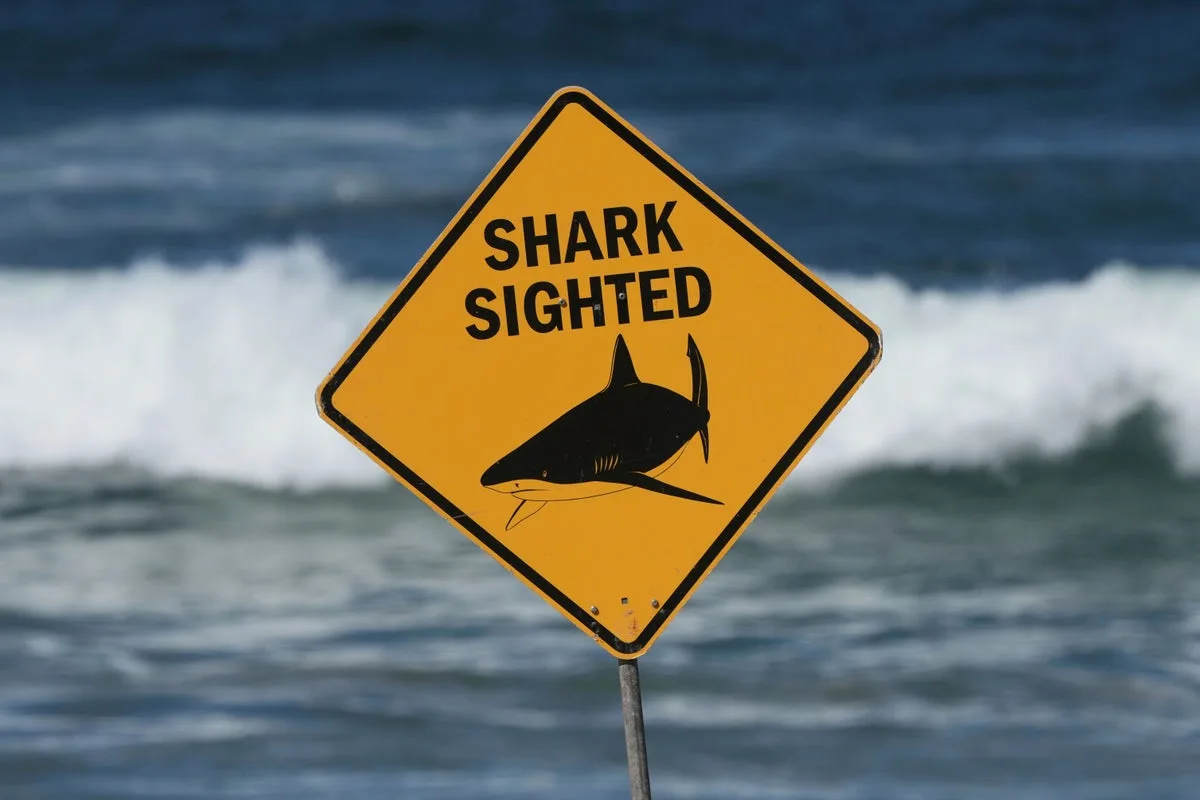
A 38-year-old man has died after being attacked by a white shark while spearfishing off Rottnest Island in Western Australia. The incident occurred on Saturday morning at Horseshoe Reef, north of Marjorie Bay, according to WA Police.
The man was bitten on the legs by a 4-metre-long white shark at approximately 9.54am local time. He was on the water surface about 80 metres from the shore and 20 metres from his boat when the attack happened, Police Sergeant Michael Wear told ABC News.
The victim, from Perth's northern suburbs, had travelled to Rottnest with three friends for a spearfishing trip. Paramedics and police performed CPR after he was brought ashore, but he could not be revived.

This is Australia's second fatal shark attack this year, following a boy's death in Sydney Harbour in January. It is also the first fatal attack in Western Australia since March 2025, when a surfer was killed.
Western Australian Premier Roger Cook expressed condolences, urging anyone impacted to seek support. The Department of Primary Industries and Regional Development advised additional caution in the area and deployed a patrol vessel to monitor the waters.
White sharks are responsible for approximately 40 per cent of shark bites in Western Australia and all fatal bites since 1980. Scientists suggest rising ocean temperatures and crowded waters may be altering shark migratory patterns.