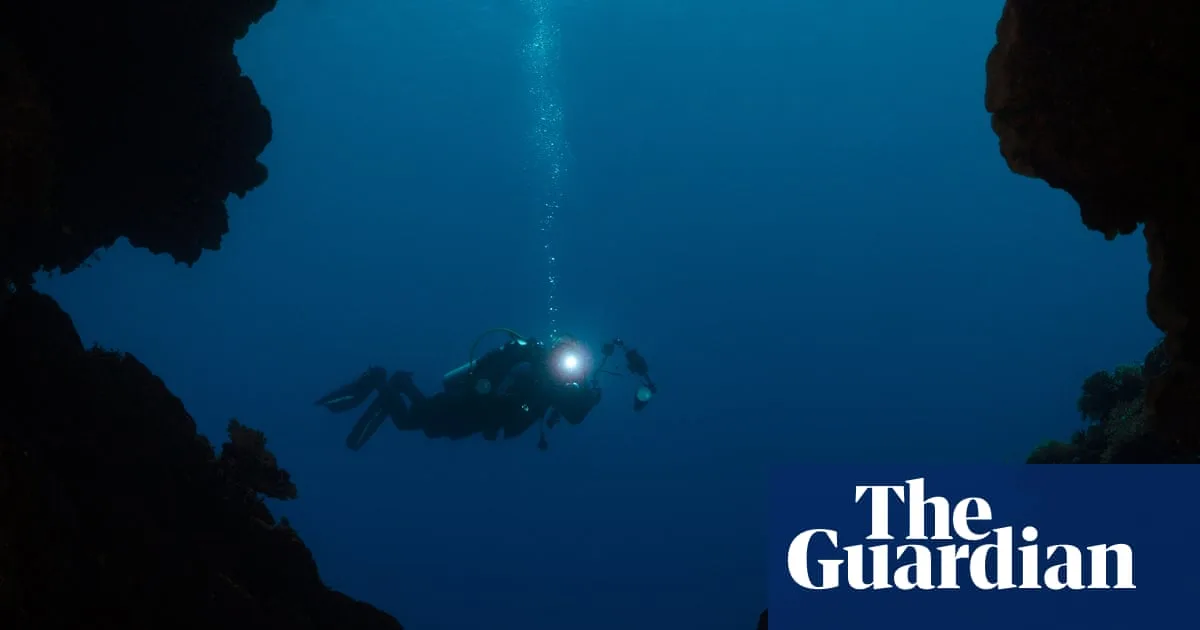
The recent diving tragedy in the Maldives, which claimed the lives of five Italian divers and a Maldivian navy diver, has prompted renewed warnings from experts about the dangers of cave diving without proper training, planning, and equipment. The incident occurred at the Dhekunu Kandu dive site in Vaavu atoll, where the Divers Alert Network (DAN) coordinated the search and recovery operation, announcing on Thursday that all bodies had been recovered.
The victims were identified as Monica Montefalcone, an ecology professor; her daughter Giorgia Sommacal; marine biologist Federico Gualtieri; researcher Muriel Oddenino; and diving instructor Gianluca Benedetti, whose body was recovered earlier outside the cave. Mohamed Mahudhee, a member of the Maldivian national defence force, also died from decompression sickness after participating in a recovery mission.
DAN deployed a specialised rescue team, including Finnish cave diving experts Sami Paakkarinen, Jenni Westerlund, and Patrik Grönqvist, who worked with Maldivian authorities to recover all bodies during multiple long dives over several days. The team used closed-circuit rebreathers, underwater scooters, and extensive backup equipment. Investigations by Maldivian and Italian authorities are ongoing, but experts are already calling for stricter adherence to established cave-diving safety protocols.

Jonathan Volanthen, a British cave diver involved in the 2018 Thailand cave rescue, highlighted the unique risks of cave diving. “If something goes wrong, you can’t simply head to the surface because there’s usually something that’s preventing that,” he said. He noted that depth exacerbates dangers, as more gas is consumed and decompression sickness risk increases. Edd Sorenson, an American cave diving expert, emphasised the importance of redundancy, including multiple tanks, regulators, lights, and computers, as well as anti-silting techniques to maintain visibility.