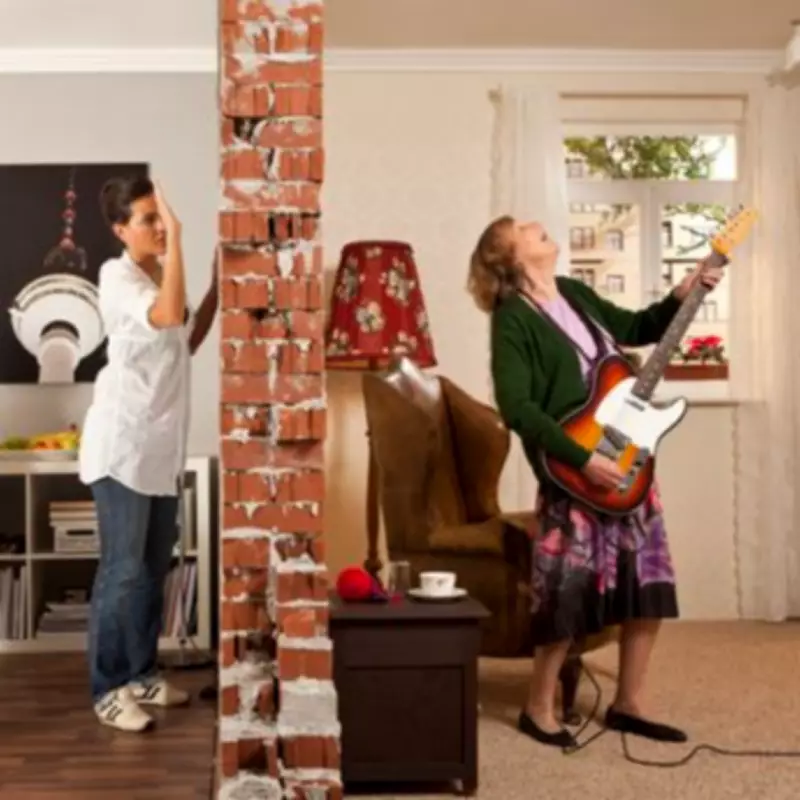
Most people expect some level of noise from neighbours occasionally, whether it is music, parties, or general daily living. However, when loud music continues well past bedtime, many residents are left uncertain about their legal rights.
What Constitutes a Statutory Nuisance?
According to GOV.UK, local councils can investigate complaints about noise that may amount to a 'statutory nuisance'. This includes excessively loud music from neighbouring homes. Authorities can take action when the noise unreasonably interferes with someone's use or enjoyment of their property.
Night Hours and Stricter Rules
Many councils across the country treat the period between 11pm and 7am as 'night hours', during which stricter rules on excessive noise may apply. Government guidance linked to the Noise Act 1996 allows these authorities to issue warning notices and potentially fines where loud music exceeds permitted levels during these hours.

How to Complain Effectively
Citizens Advice recommends that residents experiencing persistent noise problems keep detailed records, including dates, times, and the type of disturbance. This information helps councils assess whether the noise amounts to anti-social behaviour or a statutory nuisance.
Evidence Gathering
Environmental health officers may monitor noise levels directly or ask residents to submit recordings as evidence. Some councils operate dedicated out-of-hours noise complaint services for late-night disturbances, particularly on weekends.
No Blanket Ban on Music
Legal experts note there is no blanket law completely banning music before 7am or after 11pm. Instead, councils assess complaints based on volume, frequency, duration, and the impact on nearby households.
Role of the Police
The Metropolitan Police advises that persistent loud music can sometimes fall under anti-social behaviour legislation if it repeatedly affects neighbours or causes harassment, alarm, or distress. In serious cases, authorities may seize sound equipment or issue formal notices.
Community Tensions
Online forums regularly feature complaints from residents dealing with booming speakers, late-night parties, and music carrying through walls in flats or terraced homes. Many report tensions escalating when informal conversations fail to resolve the issue.
Recommended Steps
Experts generally recommend attempting calm communication first before making formal complaints. However, where noise becomes persistent or unreasonable, councils do have legal powers to investigate and potentially take enforcement action.