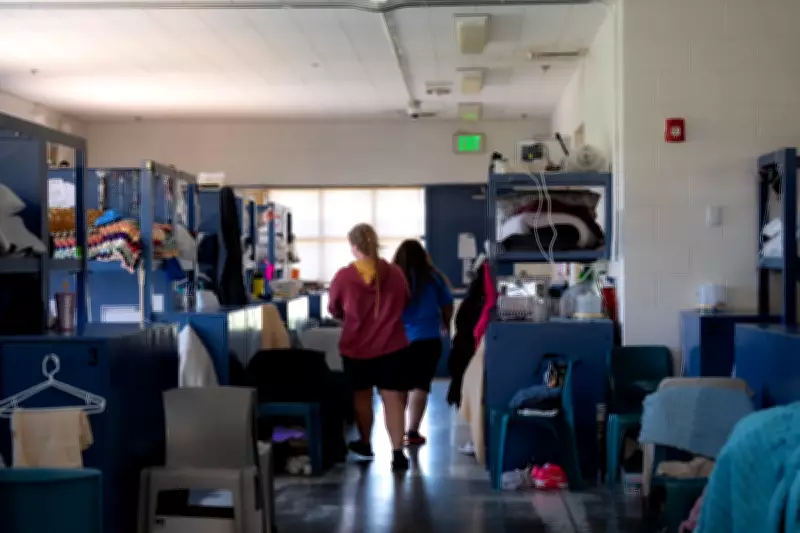
Overflowing Idaho prisons are sending women with good behavior to segregated housing units known as 'the hole,' according to a new investigation. Kristine Scott, one of 15 women transferred to a minimum-security prison in Boise on April 3, was told she would work at a community reentry center and live in one of the least restrictive facilities. However, upon arrival at the South Idaho Correctional Institution, staff informed the group that there were not enough beds in the dorms. Instead, Scott and five others were led to a segregated housing unit typically reserved for punishment, where they were confined for 23 hours a day in small cells with only a bunk bed, sink, and toilet.
Inhumane Conditions Despite Good Behavior
Scott, serving a four-year sentence for drug possession, described being handcuffed every morning at 7 a.m. and taken to a 4-by-5-foot outdoor cage for an hour of recreation. Except for a 10-minute shower every other day, this was their only time outside the cell. They could not see or speak to other inmates, and communication with family was severely limited. 'They're treating us like we're in trouble when we haven't done anything,' Scott said. 'I got moved from a work center to be stuck in the hole. So we're basically being punished even though we've had good behavior.'
Idaho's Incarceration Crisis
Idaho's tough-on-crime policies have resulted in the highest women's incarceration rate in the nation, with men's rates also among the highest. The state has more prisoners than space, leading to overcrowding. Civil rights attorney Ritchie Eppink of Idaho's Wrest Collective stated that placing inmates in segregation due to overcrowding violates their civil rights. 'The research is clear that this kind of segregation causes long-lasting harm, even over very short periods,' Eppink said. 'It has mental health consequences that can be long lasting.'

Policy Violations and Lack of Transparency
Idaho Department of Correction policies state that restrictive housing is meant for violent or dangerous inmates, but also allow transit status when beds are unavailable. However, current and former inmates report that staff at South Idaho Correctional Institution violate these policies. InvestigateWest interviewed five women placed in segregation due to overcrowding since 2020. They reported being confined for 23 hours a day, with some not allowed personal items. Tena Bishop, who spent two weeks in segregation in 2023, said, 'For me it was the most depressing and humiliating time I had in the three years I was incarcerated. Segregation is the worst time anyone can do. It makes you suicidal.'
Failed Reforms and New Prison Construction
Efforts to reform Idaho's use of restrictive housing began in 2016 after a class action lawsuit. The Department of Correction reduced segregation cells by 25% and implemented new policies, but these did not address overflow housing. A new women's prison south of Boise, costing $182.5 million, will add 512 beds but will not open until at least 2027. Meanwhile, the lack of transparency suggests prison staff know they are acting improperly, according to Eppink. 'IDOC is trying to deal with a problem that it's not prepared to properly address,' he said. 'And that is when civil rights and human rights abuses begin.'
Studies show that isolation, even with a roommate, can cause lasting psychological harm. The Prison Policy Initiative noted that solitary confinement can cause permanent changes to the brain. Since 2009, at least 42 states have limited solitary confinement, but Idaho is not among them. The Department of Correction declined interview requests, stating only that 'restrictive housing and segregation units continue to be used according to standard protocols.'