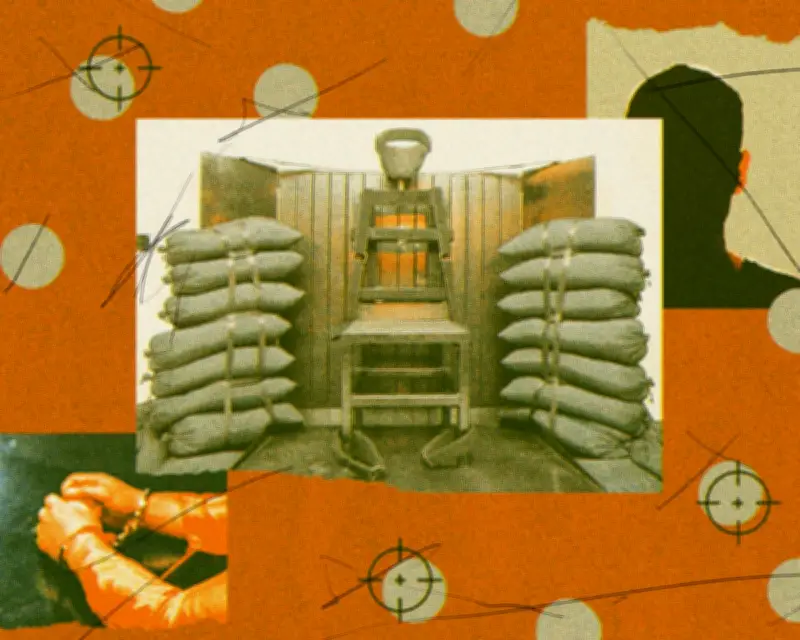
Idaho becomes the first state in the US to adopt the firing squad as its primary execution method, opening a new death chamber at a maximum security prison south of Boise. The state's department of corrections (IDOC) met the 1 July deadline set by the legislature, spending over $1 million on the venture, including $24,000 on a rack of AR-style, .308-caliber, scoped rifles for volunteer marksmen.
The firing squad, long considered archaic and bloody, is gaining traction across the US as states seek alternatives to lethal injection, which has faced repeated failures. Idaho is now the seventh state to include firing squad among its execution methods, with more jurisdictions allowing judicial killing by gunfire than at any time in US history.
Supporters Claim Foolproof, but Evidence Shows Botched Executions
Supporters argue the firing squad is foolproof, citing that bullets penetrating the left ventricle of the heart cause instant death. However, forensic experts and historical evidence reveal a different story. Of the four firing squad executions in the US since 2010, two appear to have been botched, with bullets missing the intended target and causing prolonged, agonizing deaths.

In 2010, Utah executed Ronnie Lee Gardner. Witnesses reported he clenched his fist and moved his jaw after being shot, leading to an “excruciating wait for Gardner to die.” Autopsy photographs examined by Dr. Jonathan Groner, an emeritus professor of surgery at Ohio State University, showed bullet holes not over the heart but further to the left, suggesting the shooters missed their mark.
Allegations of Intentional Misfiring
Expert forensic analysts have raised allegations in US Supreme Court filings that the blunders may have been intentional, as a form of retributive punishment. In 1951, Eliseo Mares faced a Utah firing squad, and all four live bullets entered the wrong side of his body. Law professor Martin Gardner wrote, “It appears the misses were intentional. Whether the riflemen wished to torture the victim or feared to inflict the fatal shot in the heart is unknown.”
In South Carolina, the April 2025 execution of Mikal Mahdi raised further concerns. Autopsy results obtained by the Guardian showed only two wounds despite three marksmen. A forensic pathologist, Dr. Jonathan Arden, concluded that the shooters missed the intended target area, causing “excruciating conscious pain and suffering” for up to 60 seconds.
Legal Challenges and Allegations of Racial Bias
Gerald King, a federal public defender involved in Mahdi’s case, said the evidence showed the execution was botched. “This did not go as the state said it would. The evidence from the autopsy was pretty unequivocal.” The South Carolina Supreme Court later ruled the process had not been botched, but confirmed that the marksmen failed to strike the left ventricle, hitting only the pericardial sac and right ventricle.
In a filing to the US Supreme Court, attorneys for Stephen Stanko, another condemned inmate, alleged that those responsible for Mahdi’s execution “intended to miss the direct target,” causing him to endure “the most extreme pain a human can experience until his death.” Dr. Groner, in his upcoming book, suggests that the firing squad may have aimed away from the left ventricle because Mahdi was a Black man convicted of killing a white police officer, calling it a “quasi-lynching.”
The South Carolina Department of Corrections denied the allegations, pointing to the state Supreme Court ruling and stating, “South Carolina categorically denies this purely speculative accusation.”
Secrecy and Concerns Over Human Element
The identities of the volunteer marksmen are kept secret, known only to the state prisons director and deputy. Deborah Denno, an authority on execution protocols at Fordham Law School, expressed unease about the sudden craze for firing squads. “We tend to forget that human beings are conducting this, and human beings have emotions and feelings. Such as wanting to set things right, an eye for an eye, and revenge.”