Fugitive Dezi Freeman Believed Shot Dead by Australian Police After Months-Long Manhunt
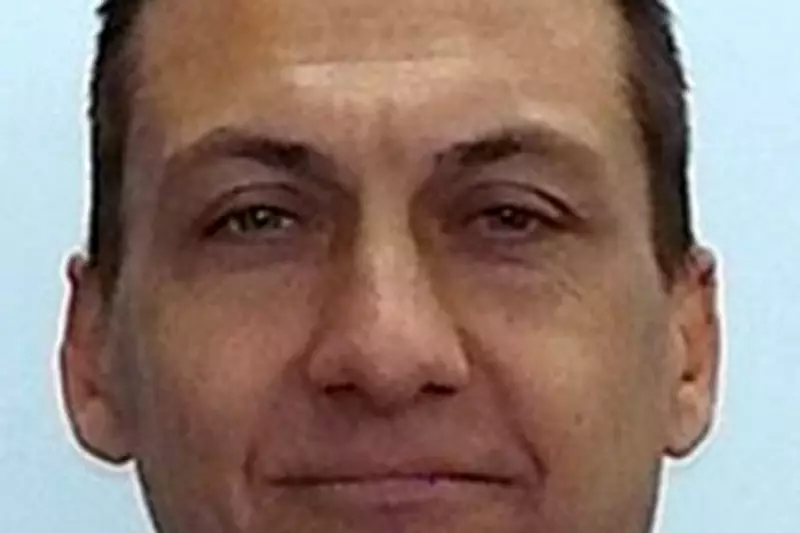
Australian police have brought a dramatic end to one of their largest manhunts, with authorities confirming they shot dead a man believed to be fugitive Dezi Freeman at a rural property in northeastern Victoria. The operation concluded a search that spanned several months following Freeman's fatal shooting of two police officers last August.
Operation Ends in Fatal Confrontation
Victoria police chief commissioner Mike Bush stated that while formal identification is pending, all evidence suggests the deceased is 56-year-old Dezi Freeman of Porepunkah. The standoff began at 5:30am when officers surrounded a building resembling a shipping container where the fugitive was reportedly hiding.
"Everything I know at this point tells me that this shooting was justified," Commissioner Bush declared. "Should it be confirmed that the deceased is Freeman, this brings closure to what was a tragic and terrible event."

Police sources revealed they had received a tip about Freeman's location near a small township along the Murray River last week. Authorities had been conducting surveillance on the property for several days before launching the operation that ultimately led to his death.
Violent History and Sovereign Citizen Beliefs
Freeman, whose legal name was Desmond Christopher Filby, had been evading authorities since August 2025 when he fatally shot senior police officers Neal Thompson and Vadim de Waart-Hottart during the execution of a search warrant related to sex offences. A third officer sustained serious injuries during that initial confrontation at Freeman's Porepunkah property.
The self-described "sovereign citizen" lived with his family on a bus situated on a 20-hectare plot and was known to reject government authority and laws. Locals described the father of two as previously kind and polite, but noted a significant change during the COVID-19 pandemic when he became increasingly vocal about his distrust of government restrictions.
Freeman had repeatedly referred to police officers using inflammatory language, calling them "frigging Nazis," "Gestapo," and "terrorist thugs." In previous court appearances, he identified himself as a disability pensioner who claimed persecution by the state.
Challenging Manhunt and Community Impact
The initial manhunt proved exceptionally difficult for authorities due to the rugged landscape surrounding Porepunkah, characterized by steep, rocky terrain with numerous caves and mineshafts. Freeman's extensive bush survival skills made tracking him particularly challenging for police teams.
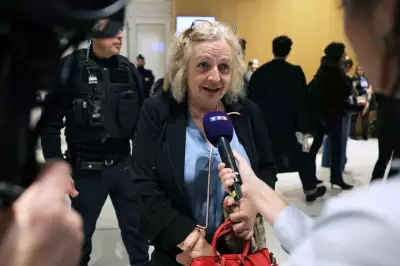
John Bird, a close friend of one of the slain officers, expressed mixed emotions upon learning of Freeman's death. "It's a good day," he stated. "It's just a relief. Like I said, it doesn't change anything much but it's closure on that side of things."
The Police Association Victoria offered a more measured response through their spokesperson: "It does not lessen the trauma, give back the futures that were callously stolen or lessen the collective fear and grief that this tragic event has instilled in police and the wider public. Closure isn't the right word. This represents a step forward for our members, for the families of our fallen members and for the community."
The association is scheduled to address media formally on Monday afternoon, providing further commentary on this significant development in a case that has gripped the Australian public for months.