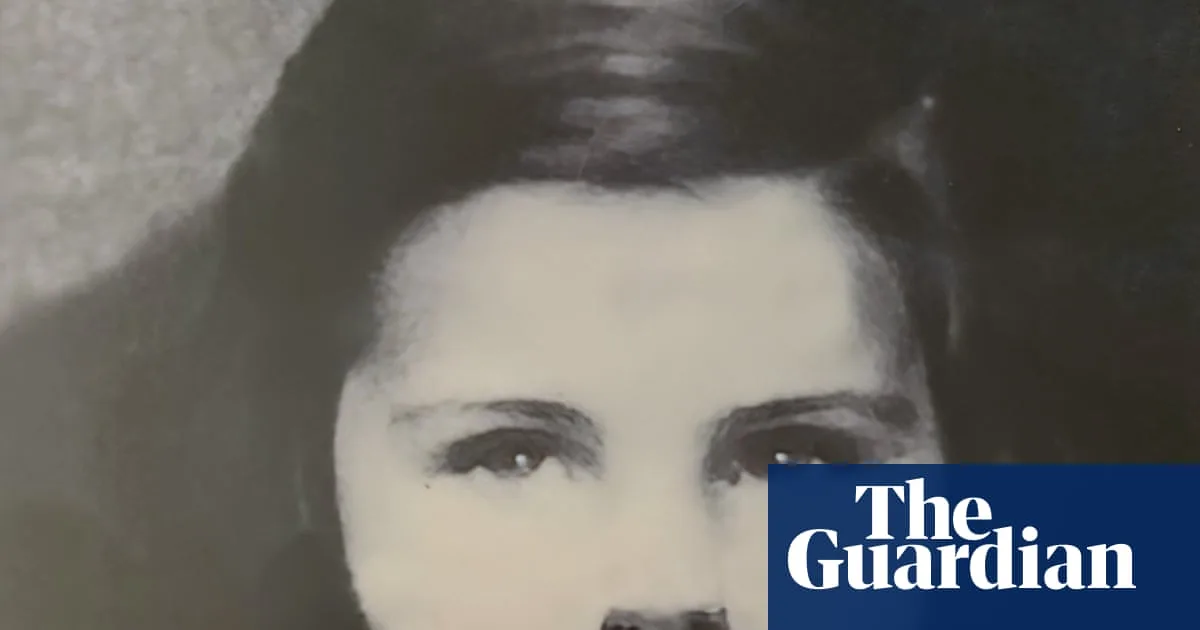
New research into the 1944 murder of seven-year-old Patsy Wylie in Northern Ireland has uncovered the full extent of the tragedy, revealing that the execution of her killer was botched and that the family suffered decades of stigma and trauma.
William Harrison, a US soldier stationed at Cluntoe airfield in County Tyrone, was convicted and hanged for the rape and murder of Patsy on 25 September 1944. He had visited the family home before and was known to them. On the day of the murder, he took Patsy to buy sweets, but instead raped, beat and strangled her, leaving her body behind a haystack.
Annie Kalotschke, Patsy’s niece, spent 31 years investigating the case, gathering testimonies and archival records, including the 660-page trial transcript. Her yet-to-be-published book, Never Speak of Rope, reveals that the executioner, Thomas Pierrepoint, botched the hanging at Shepton Mallet prison on 7 April 1945, causing Harrison to strangle for 20 minutes instead of dying instantly.
Kalotschke also uncovered that Harrison’s parents petitioned the White House to spare their son, but failed. In Northern Ireland, rumours spread that Harrison had been spared or sent to fight in France, adding to the family’s distress. Some locals blamed the Wylies for the crime, with one man telling Patsy’s grandmother: “It’s a shame about that wee girl, but that’s what you get when you’re a Yankee lover.”
Patsy’s mother, Mary, was consumed by depression until her daughter appeared in a dream and urged her to carry on for her other children. However, Patsy’s sister Sadie, who had declined to join them on the day of the murder, suffered survivor’s guilt and emigrated to New York, where the trauma affected subsequent generations.
Historian Alan Freeburn noted that Harrison was the only American convicted of child murder in the European Theatre of Operations during the second world war, and one of three hanged for child rape. The case, which entered folk memory, is now being re-examined to correct myths that have caused “generational trauma” for the family.