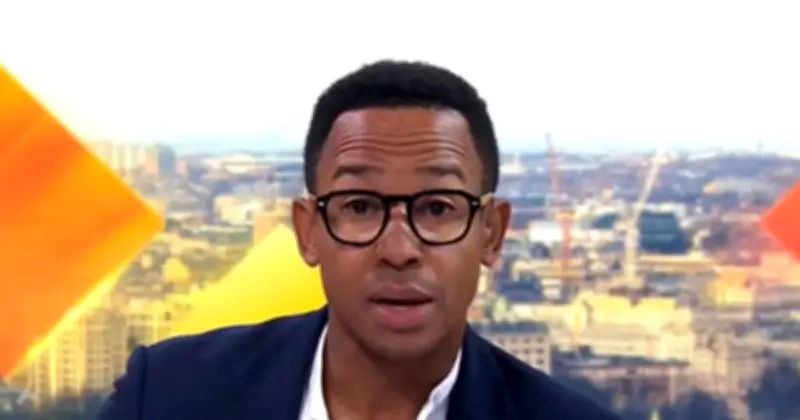
Sky News was interrupted for a breaking update on the controversial prison early-release scheme on Sunday morning (August 30). Kamali Melbourne returned to the airwaves to deliver the latest news, derailing his breakfast show minutes in for a major alert by the Prime Minister.
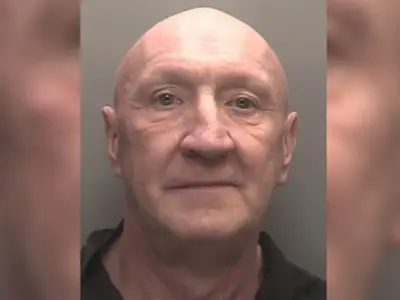
The 44-year-old broadcaster announced that the two men in prison for the killing of PC Andrew Harper will remain behind bars after changes were made to the planned early-release scheme. Andy Burnham said people convicted of unlawful killing, including manslaughter, would be excluded from the release programme.
Prime Minister's announcement
He began: "The Prime Minister has announced changes to the Government's early-release scheme for prisoners. The changes mean that the killers of PC Andrew Harper will be excluded from the early-release programme."

The former Mayor of Manchester said extra prison space would be created by deporting foreign prisoners and releasing some inmates serving indefinite sentences. It comes after months of campaigning from PC Harper's family and former colleagues to block the release of his killers.
PC Harper's killing
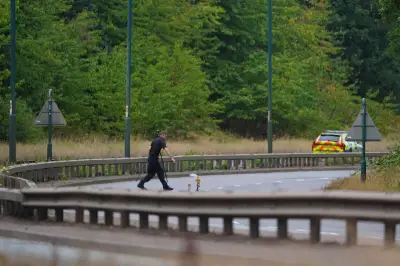
The 28-year-old was responding to a burglary in Berkshire in 2019 when he was dragged along a road by a vehicle as three teenagers fled the scene of a quad bike theft. It later emerged that two of his killers, Jessie Cole and Albert Bowers, could be eligible for release early.
Brits passionately called for a change to the terms of the scheme to block those convicted of manslaughter from early release. Burnham told the BBC: "I heard obviously what Andrew Harper's family were saying, I mean, who couldn't? Nobody would want a position to arise where those guilty of killing a police officer are let out early from prison."
Impact on prison system
The Labour leader admitted that the announcement will mean "hundreds" of prisoners will stay behind bars, requiring additional space in a system that is more than 97% full across England and Wales. The Prime Minister added that this will be achieved in part through ending Imprisonment for Public Protection sentences [IPPs].
These were available between 2005 and 2012 and were handed to offenders who posed a significant risk of causing harm to the public. Once a minimum term has been served, the prisoner can be released only if the Parole Board is satisfied that they no longer pose a risk to public safety, meaning many are held indefinitely.