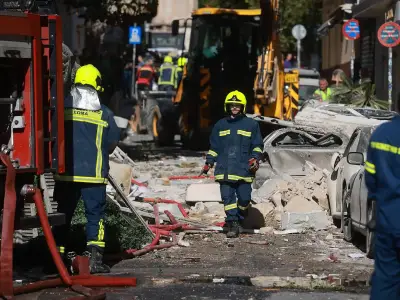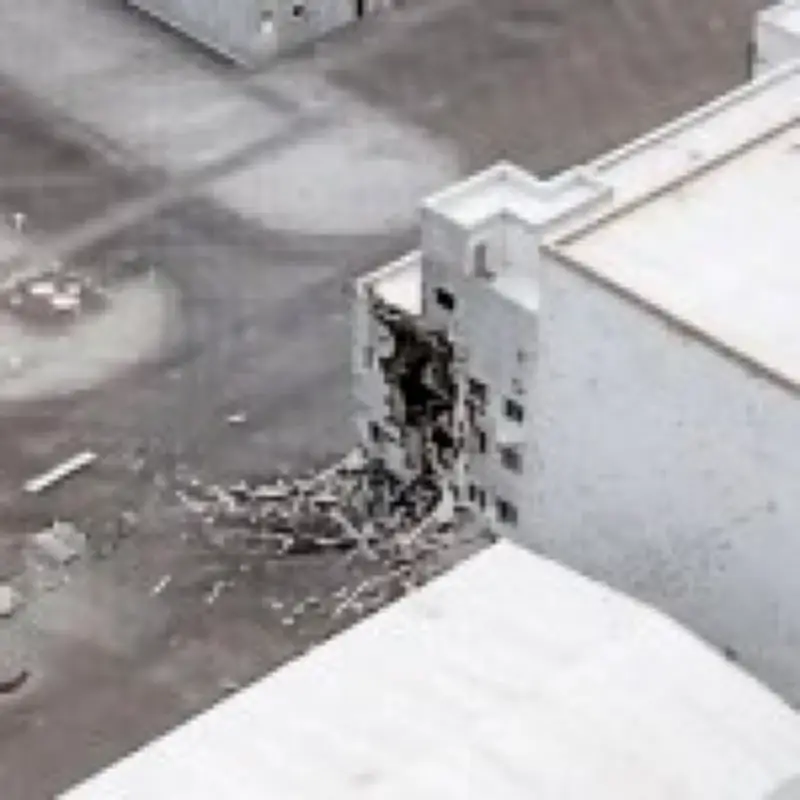
Ukraine has accused Russia of nuclear terrorism following a drone strike on a storage facility for spent nuclear fuel near the Chernobyl power plant. The attack, which occurred early Saturday, caused visible damage to the power station's reception area but resulted in no casualties and no abnormal radiation levels, according to Ukraine's state nuclear energy operator, Energoatom.
Details of the Attack
The drone strike took place around 2 a.m. local time, igniting a fire that spread rapidly but was eventually extinguished. The targeted building was part of the container reception area, and spent nuclear fuel was not stored in the section that was hit. Energoatom confirmed that radiation levels remained within normal limits, but condemned the attack as a deliberate act of nuclear terrorism.
In a statement, Energoatom said: 'Another strike on a nuclear infrastructure facility once again demonstrated to the whole world the true face of the Kremlin regime, which deliberately creates threats to nuclear and radiation safety. Russia continues to act as a terrorist state and a nuclear terrorist, disregarding international law and the safety of millions of people.'
International Reaction
The International Atomic Energy Agency (IAEA) has repeatedly warned both sides in the conflict to avoid drone and missile strikes near nuclear power plants. IAEA chief Rafael Grossi described the incident as 'deeply concerning' due to the large amounts of nuclear material held at the facility. He announced that the agency would visit the site of the attack soon to assess the damage.
Previous Incidents
This is not the first time the Chernobyl site has been targeted. In February 2025, a Russian drone strike damaged the main shield over the reactor that suffered the 1986 disaster. That strike compromised the shield's primary safety functions, though inspectors later found no irreversible damage to the main structures and monitoring systems. Russia also took control of the Chernobyl plant and its exclusion zone at the start of its full-scale invasion in 2022.
Context of the Conflict
The Chernobyl disaster of 1986 remains the world's worst civilian nuclear catastrophe. The region remains heavily contaminated, and any damage to nuclear facilities poses a significant risk. Ukraine has repeatedly called on the international community to hold Russia accountable for its actions near nuclear sites. The latest incident comes amid ongoing hostilities, including renewed drone attacks on Russian cities and stalled peace negotiations.