A partial solar eclipse will be visible from the UK on Wednesday evening, with up to 90% of the Sun obscured for London observers. Experts stress the importance of using proper eye protection to avoid permanent damage.
Eclipse timing and coverage
The Moon will pass between the Sun and Earth, casting a shadow for slightly under two hours. According to Royal Museums Greenwich, this is the most extensive coverage visible from the UK since 1999. In London, first contact begins at 6.17pm, maximum coverage occurs around 7.12pm, and the eclipse ends at 8.06pm, with times varying by location.
Why eye protection is essential
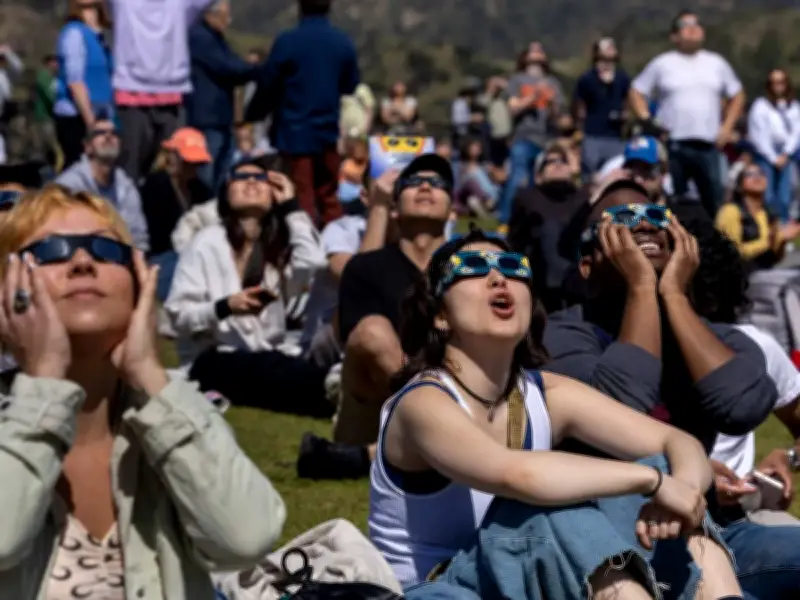
Viewing the eclipse with the naked eye can harm the retina, which lacks pain receptors, so damage may go unnoticed. This can lead to vision loss or permanent blurred spots. Certified eclipse glasses marked “ISO 12312-2” or “ISO 12312-2:2015” are recommended, as they only allow a minimal amount of light through. Standard sunglasses are not sufficient and can still cause lasting eye damage.
Alternative safe viewing methods
Pinhole projectors offer a safe indirect method. Royal Museums Greenwich suggests making one with a cardboard box, white paper, foil, and a pin. Colanders and tea strainers work similarly: hold them up with your back to the Sun and observe the shadow to see multiple projected images of the eclipse.
Imo Bell, a planetarium astronomer at the Royal Greenwich Observatory, told the Press Association: “It's not a total eclipse, but over 90% is really exciting. We're not going to get one this good for a really long time. So it's important not to miss it, and to be prepared. You can't just go out and expect to have a look because it's really dangerous for your eyes.”
Bell added that solar eclipse glasses block out so much light that you can only see the Sun through them. For an enhanced view, a solar telescope is ideal, or check if your local astronomy society is hosting events. As a last resort, projecting the image with a household item like a colander works well.