Nearly half of the record number of referrals to the government's anti-terrorism scheme Prevent were children, with 393 referrals under the age of 10 where age was known. The largest proportion, 36%, were aged 11 to 15, followed by 16 to 17-year-olds at 13%.
Young people exposed to extreme content online
These young people are predominantly exposed to extreme content online due to a lack of regulation of big tech, according to the report.
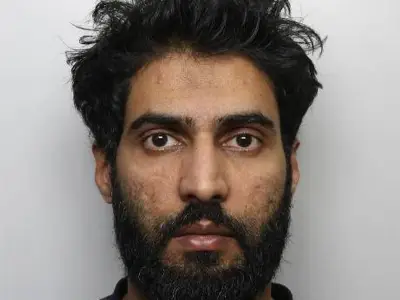
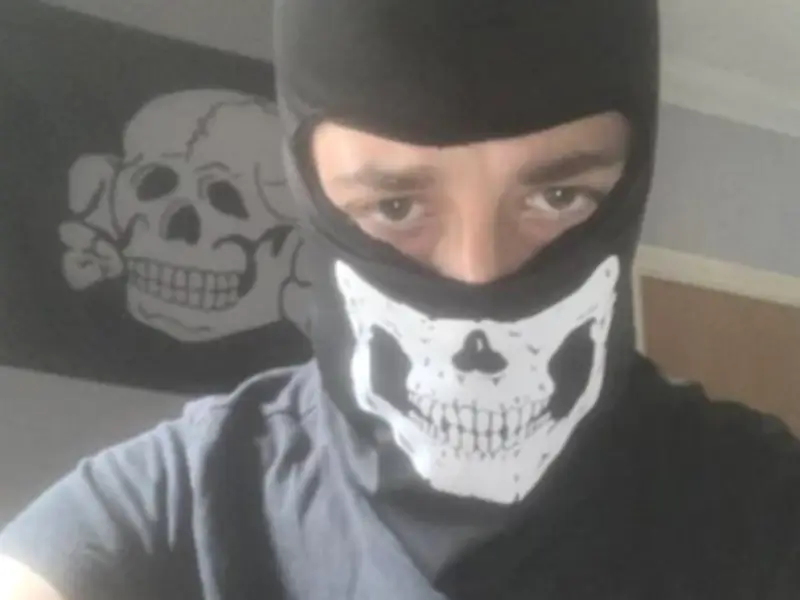
Last month, UK Counter Terrorism Policing urged parents and guardians of teenage children to be aware of the signs of radicalisation after 22-year-old Alfie Coleman was jailed for planning a terrorist attack. The investigation found that Coleman began to become radicalised online aged only 14.

Coleman's case highlights the threat
Coleman was arrested moments after he paid £3,500 for a firearm and ammunition at a car park in Stratford, East London on September 29 2023. He had unknowingly arranged to meet undercover operatives. He was later found guilty of planning a terrorist attack and sentenced at the Old Bailey to 13-and-a-half years in jail, with another five years on licence.
Commander Helen Flanagan, Head of Counter Terrorism Policing London, said: "Sadly we're seeing more and more examples of young people and children being drawn into violent extremism and terrorism this way."
She added: "This is why I'm urging parents and carers to make sure that you are aware of what your children are doing online. While it may be difficult, it is vital that you have conversations with them, and if you are still concerned, then act early and get in touch, so that they can be steered down a different path before it is too late."
Parents cannot police the internet alone
While parents and guardians should try to monitor what children are looking at online, it is not fair or realistic to expect them to police what young people access. The online world needs to be regulated by laws to protect the young and vulnerable, as it is all too easy to access videos showing serious violence, murder and sex.
Police are releasing videos of young people as they die, such as the harrowing body worn footage of Henry Nowak's last moments after he was stabbed in Southampton last year. The general public are being exposed to disturbing real life events that many police officers might never see during an entire career.
Impact on mental health
This is bound to have a long-lasting effect on all of us, but especially on young people, and even more so on those who may already be living with mental health issues.
Keir Starmer last month unveiled a ban on social media for under 16s amid mounting concerns it is causing lasting damage to their mental health. Bereaved parents and child safety campaigners welcomed the move as a necessity for young people, who they say are exposed to harmful content online.
Calls for tougher regulation
But the ban fails to address issues such as harmful and distressing content being pushed to young people through personalised algorithms. Assistant Commissioner Lawrence Taylor, the national head of Counter Terrorism Policing, said earlier this year he would like to put "huge pressure on the bosses" of major technology firms to do more to tackle extremist content online, warning they were "not even close to doing enough" to address the scale of the threat.
These men, and they are mostly men, have shown that they will not yield to pressure. The only way to protect children is by forcing these billionaire tech bosses to change through new laws.
These new Prevent figures should be a wake up call to all parliamentarians. They are the only ones who can bring about the change needed to ensure young people are protected.