UK Fugitive Dominic McInally Arrested at Marbella Strip Club After Six Years on the Run
Fugitive Dominic McInally Arrested at Marbella Strip Club

UK Fugitive Dominic McInally Arrested at Marbella Strip Club After Six Years on the Run

One of Britain's most wanted fugitives, implicated in a substantial cocaine distribution network, has finally been apprehended after six years evading justice. Dominic McInally was captured by Spanish National Police during a dramatic raid on the Casa Masa strip club near Marbella in the early hours of February 28, 2020.

The Crosby Cocaine Seizure That Started the Hunt

The investigation began years earlier when authorities discovered six kilograms of cocaine with an exceptional 75% purity level in a vehicle stopped in Crosby, Merseyside. Law enforcement experts estimated this high-quality stash could have been diluted with bulking agents to produce up to 25 kilograms of street-ready drugs, representing a significant threat to communities across the region.

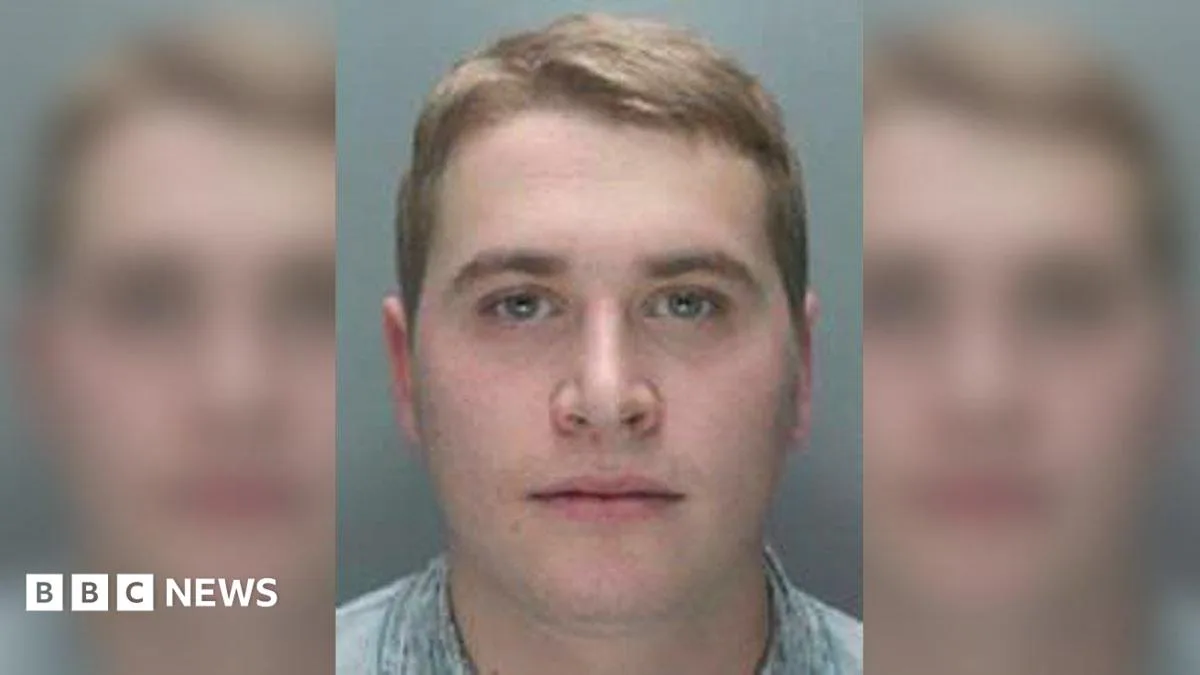
McInally quickly became a person of interest following this discovery, with investigators identifying him as the suspected kingpin of a drug syndicate believed to be generating over £1 million in illicit profits each month. His image was subsequently plastered across wanted posters and billboards throughout both the United Kingdom and Spain as the manhunt intensified.

Wide Pickt banner — collaborative shopping lists app for Telegram, phone mockup with grocery list

International Manhunt and Lavish Lifestyle

While five other gang members received collective prison sentences totaling 48 years in 2016 for their roles in the operation, McInally managed to flee abroad just as authorities closed in. A European arrest warrant was issued for the then-25-year-old the day after his co-conspirators were sentenced.

During his years on the run, McInally maintained a conspicuously lavish lifestyle despite having "no obvious" legitimate income between 2007 and 2014. He claimed his wealth derived from trading cars and jewellery, but investigators remained unconvinced as they tracked his movements across Europe.

The international search operation reached unprecedented levels when McInally's photograph was displayed on mobile billboards transported around Spanish holiday destinations, hoping holidaymakers or residents might recognize the fugitive. He was listed among Crimestoppers' ten most wanted British criminals believed to be hiding in Spain under Operation Captura.

Sophisticated Drug Smuggling Operation

Court proceedings revealed the sophisticated methods employed by McInally's organization. Gang members had traveled to the France-Belgium border to collect drugs, which were concealed in a purpose-built compartment within the transmission tunnel of a Seat Leon vehicle.

This modified car, referred to as a "pie car" in street slang for its ability to hide illegal goods, functioned as a veritable "Trojan horse" for smuggling operations. The group utilized specialized Blackberry handsets with enhanced security features to prevent communications interception, demonstrating their technical awareness.

Other participants in the conspiracy were documented bragging about consuming champagne and snorting cocaine aboard ferries using their illicit profits, painting a picture of reckless extravagance funded by criminal enterprise.

The Dramatic Arrest and Aftermath

The culmination of years of investigation came when Spanish National Police, working in collaboration with the UK's National Crime Agency and Merseyside Police, stormed the Casa Masa strip club near Marbella. McInally, then aged 30 and formerly of Formby, was finally in custody.

Following a trial that exposed the full extent of his criminal activities, McInally was unanimously convicted by a jury of conspiracy to supply Class A drugs. Despite his protestations of innocence and claims of legitimate business dealings, the evidence proved overwhelming.

Judge Norman Wright, who had previously sentenced McInally's co-conspirators, had earlier noted that "there is another man for whom there is a European arrest warrant. That man was the very top of this conspiracy and that man had a leading role."

Significant Prison Sentence and Confiscation

McInally received a substantial 12-year prison sentence for his central role in the drug distribution network. Prosecutors described him as "a man who knew the price of everything but the value of nothing," highlighting his moral bankruptcy despite considerable financial gain from criminal activities.

Pickt after-article banner — collaborative shopping lists app with family illustration

Investigators calculated that McInally had personally profited by approximately £250,000 from the gang's illegal operations. However, when authorities moved to confiscate his assets, they were left with little more than a collection of designer clothing, suggesting he had effectively dissipated his ill-gotten wealth during his years as a fugitive.

Police Response and Wider Implications

Upon McInally's conviction, Merseyside Police's then deputy chief constable Ian Critchley emphasized the importance of international cooperation in tackling organized crime. "The verdict is a great result and a fine example of what can be achieved when forces and agencies work together across borders to apprehend a serious and organised criminal such as McInally," he stated.

Critchley added a warning to other criminals: "He thought he could evade law enforcement. But there can be no hiding place when forces and agencies work well together...I hope that the guilty verdict sends a message to criminals who think that they can hide from justice that we will find you and we will put you before the courts."

Detective Superintendent Lee Turner had earlier appealed for public assistance in locating McInally, stating: "Despite the conviction of these offenders, this is still an open investigation and I would like to take this opportunity to appeal for the public's help in tracing Dominic McInally as we believe he may have vital information in relation to this conspiracy."

Other Gang Members and Their Sentences

The wider drug network dismantled by authorities included several other significant players:

  • James Gradwell, of no fixed address, received 13 years and seven months imprisonment
  • Christopher Corry, of Halifax Crescent in Thornton, Merseyside, was sentenced to 11 years and six months
  • Ryan McQueen, of Laurel Drive in County Armagh, received a six-year prison term
  • Jordan Talbot, of Elson Road in Formby, Merseyside, was locked up for six years and six months
  • William Marsh, of Rock Lane in Melling, Merseyside, received 10 years and eight months

This case continues to form part of ongoing examinations into Merseyside's criminal history, highlighting both the sophisticated methods employed by drug networks and the determined international cooperation required to bring their leaders to justice.