Former Middlesbrough mayor Andy Preston has warned that “dangerous tracksuit scrotes” from low-level crime groups are holding parts of the community to ransom through intimidation and violence, following a week of deadly incidents in the town.
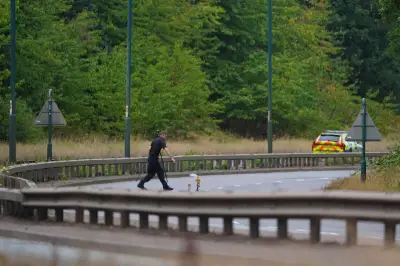
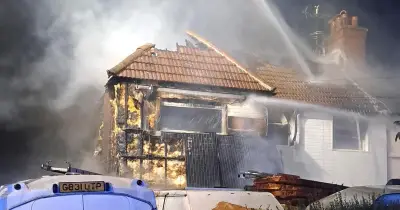
Speaking after the A66 crash that killed seven people, including two police officers, and a house fire in Grangetown that claimed the lives of a woman and a seven-year-old girl, Mr Preston said the problems stemmed from small, disorganised crime groups heavily involved in drugs and violence.
Crime hotspot
Pointing to regional statistics, Mr Preston said: “Middlesbrough is a crime hotspot — it has the highest crime rate in England outside of the City of Westminster, where figures are artificially inflated by tourists. What’s particularly big here is drugs, violence, and all the associated trouble. Because drugs are prevalent, we have more than our fair share of small-time, disorganised — though technically organised — crime groups. They are low-level distributors.”

He described the offenders in blunt terms, explaining: “You’ll hear police officers and people like me talk about them as organised crime, which they technically are, but they are disorganised crime. Don’t think of The Sopranos. These guys are 22, wearing tracksuits, living week-to-week; they are gormless and stupid, but they are dangerous.”
Escalating feuds
Mr Preston said feuds between these groups often escalate quickly, noting: “When they have feuds — whether over money, turf, or a perceived slight — they seek to intimidate each other to back off. At the lowest level, they might torch someone’s car. As it escalates, they’ll smash the windows of a family home, shoot a shotgun at a front door, or ram-raid a house with a car. Sometimes, they burn houses down. This stuff is not unusual—it doesn’t happen every week, but it’s not rare.”
He stressed that the issue is not unique to Middlesbrough and could surface elsewhere soon, warning: “This happens in Blackpool, Hull, Manchester, and pretty much anywhere with a significant underclass and high crime rates. It is acute in Middlesbrough, but it is just as bad in Andy Burnham’s shiny Manchester, as well as in Leeds, Liverpool, Hull, Blackpool, Coventry, and across urban Essex and Kent. We became the focal point because it bubbled up here and led to shocking deaths, but in six months, it could happen anywhere else.”
Blaming the system
Mr Preston placed primary blame on the offenders themselves, arguing: “First and foremost, with the cowardly scrotes who don’t play by the rules and who make the lives of decent working-class people absolute hell.”
He also criticised the wider system, adding: “Blame also lies in our criminal justice system, where the police aren’t determined enough, local councils aren’t concerned enough, and we don’t have enough prison places. As a country, our institutions have prioritised sympathy, empathy, and rehabilitation over locking people up. Those things are fine and should be employed when dealing with offenders, but after they are taken off the streets.”
He rejected the idea that the violence was linked to a lack of opportunity. Standing outside Middlesbrough’s divisional police headquarters, he pointed to a large nearby building housing the global headquarters of international games company Double Eleven, remarking, “Middlesbrough has an incredibly strong, vibrant tech sector. Don’t let anybody tell you these problems are related to a lack of opportunity or unemployment—it is absolute nonsense.”
Underclass, not working class
Mr Preston drew a clear distinction between ordinary working-class residents and those causing the trouble, stating: “These people aren’t working class; they are an underclass living outside the rules with entirely different values. They are small in number, but people are terrified of them because the police don’t seem to do anything. People feel nothing ever happens, there is no justice, and that reporting drug dealing next door will just lead to retaliation. So police don’t get the information they need to make arrests, creating a vicious downward spiral.”

He said most of the town remains unaffected on a day-to-day basis, clarifying: “Unless you live in those small, specific areas like South Bank or Grangetown, people aren’t scared day-to-day because they don’t see it or experience it directly.”
His own 83-year-old mother still lives in Middlesbrough, uses the bus, meets friends and volunteers on a local estate, with Mr Preston adding: “Her life is crime-free and as good as anybody’s in the Home Counties. People must not think this is all Middlesbrough is. Middlesbrough is a normal place with a thriving business community.”
Public mood, he stated, had shifted, adding: “Initially, there was a lot of sadness, fear, and disbelief, but now it has turned to anger. It’s anger towards the underclass that has done this, and growing anger towards politicians.”
Enforcement essential
Mr Preston argued that consistent enforcement was essential, warning: “If you don’t actively arrest people as soon as they commit crimes, and if they don’t get charged and go to prison, guess what happens? Everything goes to s***. If you stop arresting shoplifters, everyone starts shoplifting. Why wouldn’t they?”
More than 200 extra police officers have been drafted into the area to support Cleveland Police following the recent deaths and related incidents.
Mr Preston’s intervention adds to growing calls for a tougher long-term approach to the low-level but violent crime groups he says are blighting pockets of the town and could emerge elsewhere.