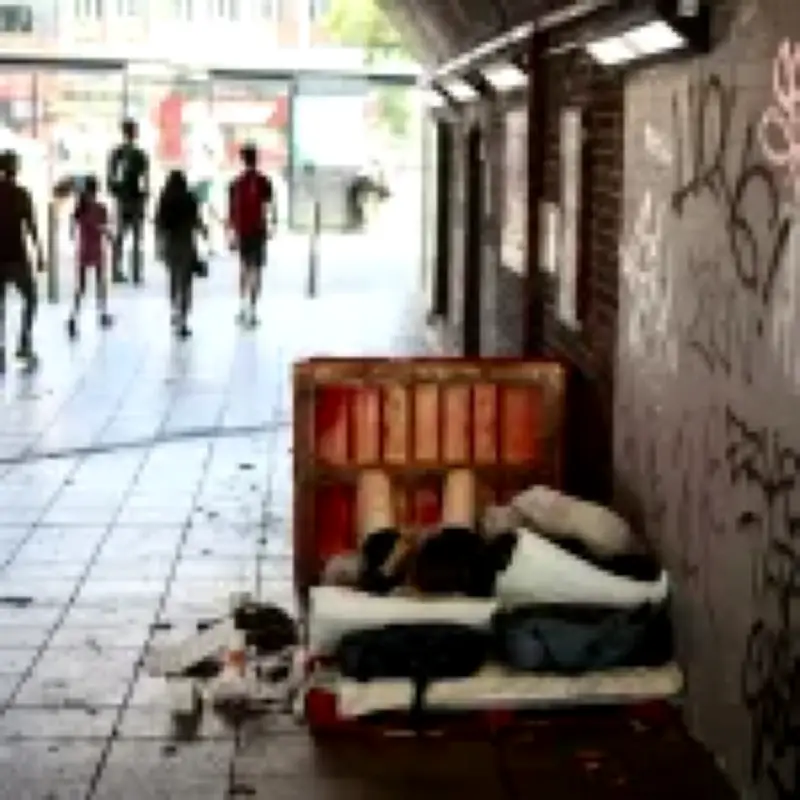
Prime Minister Andy Burnham and Housing Secretary Angela Rayner have set out a target to ensure nobody in England sleeps rough for Christmas this year. The drive is the first major step toward reducing rough sleeping numbers to zero, following Burnham's pledge last month to end rough sleeping in the UK.
Challenges and Feasibility
Emma Haddad, chief executive of homelessness charity St Mungos, told Metro: 'The ambition is absolutely right. Can it be done? I'd like to say yes. We've seen it done before, particularly during the pandemic, where we made a huge difference in bringing people in. Will we have brought in every person sleeping rough by Christmas? I don't know.'
Rough sleepers may choose not to take up the offer for complex reasons. Instead of committing to getting everyone off the streets, Emma said the 'key' will be 'to have made an offer to everybody, so that there are choices and options for people'.

Accommodation and the Covid Comparison
Both Emma and the PM invoked the Everybody In scheme from early 2020, which successfully got people off the streets during the pandemic. Hotels sat empty due to lockdown restrictions, providing self-contained rooms. Emma believes it should be possible to find enough 'emergency space' to make the offer, noting: 'There will be some homes that can be brought on stream quickly. There will be communal spaces. There will be empty flats. You know, there will be a mixture of places.'
Housing associations and local authorities often have empty homes that, 'with a bit of capital investment to renovate', can be brought to a decent standard, she said, while night shelters could be opened beyond winter. However, the Covid scheme was an emergency measure that could not be reverse-engineered into a permanent solution, and the same will be true of this year's Christmas scheme.
Long-Term Solutions
Writing in the Guardian, Burnham said: 'I don't pretend this is a permanent fix – far from it. It's not enough just to help people when they fall on hard times. It's our job to catch people long before they hit the pavement, and that means dealing with the multitude of reasons why someone might be sleeping rough in the first place.'
Emma suggested the PM focus on 'three pillars': emergency measures, early intervention, and addressing the drivers of homelessness, such as unaffordable homes, housing benefit that doesn't cover rent, and support for mental health and substance misuse. She said: 'You address all of those three, then you've got people off the streets. You've prevented more people coming onto the streets or in homelessness, and you've switched off the tap that causes that in the first place.'