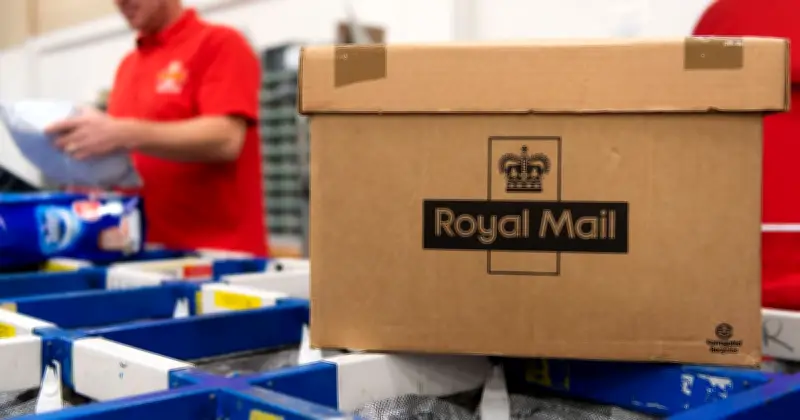
Royal Mail has urged customers to be alert to common scams circulating as the busy Christmas shopping season approaches, with fraudsters known to exploit the bumper period for parcel deliveries.
Ofcom has issued five warnings to Brits, stating that scammers are "working overtime" to defraud people of their money and steal personal information during the festive rush.
Ofcom's Warning to Stay Alert
"Scammers don't take Christmas off," warns Amy Jordan, Ofcom's Strategy Delivery Director. "Criminals are experts at creating a sense of urgency, especially during the festive season when many of us are expecting parcels, hunting for bargains and juggling school nativity performances and work parties. Don't let the fraudsters spoil your festivities. Taking a few seconds to stop and think before you click could save you a lot of worry and stress."
According to Ofcom, fraud accounts for an estimated 45% of all reported crime incidents in England and Wales, with £1.28 billion lost to criminals in 2025. Its latest research reveals that four in 10 mobile phone users have received a suspicious message, and a third (32%) have received a suspicious call.
The Five Common Royal Mail Scam Messages
Royal Mail says that scam texts, calls, and emails can seem convincing, often claiming there's a problem with your parcel and urging you to act quickly. However, that sense of urgency and panic is the first warning sign of a scam.
Royal Mail lists five examples of scam communications in which fraudsters might impersonate the company. These messages often include dangerous links that recipients should never click on. "Always visit the official website yourself instead of using any links provided," Royal Mail says.
While it provides examples of scam messages that people have been targeted with in the past, Royal Mail also warns that scammers regularly change wording, links, sender names, and layouts, so scam messages might not look exactly like the ones listed.
The five types of scams Royal Mail has urged people to look out for are:
- 'Item returned to our local facility' – A text message reads: "Your item intended to arrive tomorrow is now returned to our local facility. Visit [website] by [date]." The link takes you to a non-Royal Mail site, which could compromise your personal information or financial security.
- 'Your item is at our warehouse' – A phishing message claims an ordered item is at a warehouse and that the recipient needs to follow a link to retrieve it, leading to a non-Royal Mail website.
- 'Item sent back to handling facility' – Another attempt to trick people into clicking a harmful link, with a message such as: "Your item due to arrive tomorrow has been sent back to our handling facility. Visit [website] by [date]."
- Request for a customs fee – A suspicious email impersonating Royal Mail tells the recipient that a package has reached the customs office and requires payment of customs duty to proceed with delivery, offering a button to pay the fee, which leads to a non-Royal Mail website.
- Confirm full address – A previously circulated scam email claimed there was an attempt to deliver a parcel but the address was incomplete, reading: "Confirm your full delivery address and arrange re-delivery at no extra cost." The link within the email points to a non-Royal Mail website.
Tell-Tale Signs of a Scam Email or Text
Although scam messages can sometimes look convincing, there are obvious warning signs to look out for. According to the government's Stop! Think Fraud campaign, these include a product offer or prize from an unknown number or company, an urgent alert about security such as compromised bank account details, a message about a product or service not purchased, a delivery company demanding a fee before delivery, an appeal from a family member asking for money, encouragement to click on an unknown link, a request for personal data, language designed to create a sense of urgency or panic, and messages sent outside normal business hours, especially very late at night or very early in the morning.